JAPAN RYOKAN FINDER
About · a fan-made tribute to KI-NRT's legendary FlyerTalk thread. Browse and find your next ryokan stay. If you used this to find a ryokan, give back by posting your review to the thread.
This catalog contains luxury ryokans sourced from KI-NRT's canonical “Japan Luxury Ryokans – A Primer + Impressions”, the author's own TripAdvisor reviews, and Japanese booking-site research (Ikyu, Rakuten, Jalan). The thread is one of those rare fonts of knowledge scattered across the corners of the internet that deal with a nuanced topic with such depth and approachability that it can quickly make any reader feel like an expert. Thank you KI-NRT and every reviewer in the thread for all of your contributions — this is a small way of giving back.
How to read the catalog. Before continuing, start with the primer (post #1) to familiarize yourself. Each inn has an overall score 1–10 and a tier derived from KI-NRT and other contributors' posts. The post links are at the bottom of each inn card. Ratings interpret forum opinion, with the thread author weighted most heavily, and are evidence-adjusted: an inn with only one or two stays on record carries a small confidence discount, so a thinly-reviewed score reads slightly below an equally praised, well-corroborated one. Do not take the scores or precise ranking too literally — these are not official scores, and are meant to be directional only. Inns nobody has written up first-hand in the thread, or with too little first-hand evidence for an overall, are marked unscored.
Tiers. S ≥ 9 build the trip around it · A ≥ 8 anchor a leg · B ≥ 7 right inn, right place · C ≥ 6 situational · D the evidence warns — plus five 1–5 aspect scores (Food · Bath · Service · Room · Place).
Find your inn. Search by name or town, filter by tier or region, or show only inns within X hours of a gateway city (the map and the “within…” control). Transit lines give door-to-door times to the nearest logical cities; a ~ marks an estimated or composed time.
Not affiliated with any inn or with FlyerTalk. Photos are from the inns' own sites and booking platforms, shown for identification.
All 199 inns · compact index — name, place, tier and score
Every inn in the catalog, best first. Machine-readable copies of this catalog: https://ryokancatalog.com/catalog.md (this table plus aspect scores) · https://ryokancatalog.com/llms-full.txt (every write-up) · https://ryokancatalog.com/catalog.json · https://ryokancatalog.com/llms.txt (how to use them) · one place at a time: https://ryokancatalog.com/place/hakone, https://ryokancatalog.com/place/kyoto, and so on for any town, prefecture or region.
A 19-room inn on the Amori River at the edge of Kirishima National Park, with hot springs gushing from the rocks and mallards paddling past the baths, which two “otherworldly” stays made a permanent fixture of KI-NRT's personal top ten. Seven springs rise beneath the property and reach the baths untouched by air or tap water, which makes it the most technically obsessive onsen in Japan. The kitchen never repeats a dish, and trilingual attendants like Clement can explain each course and the water itself.
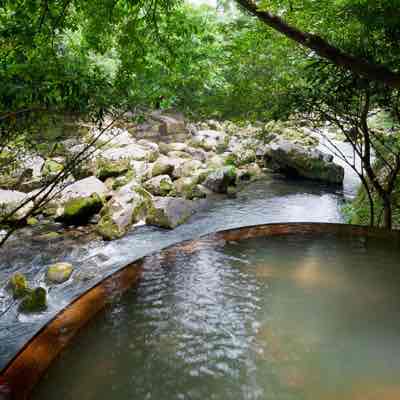
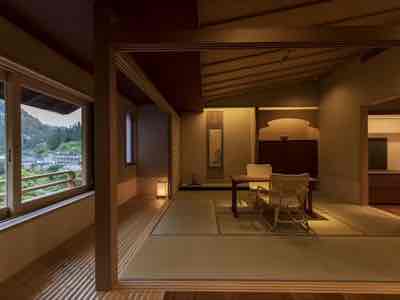
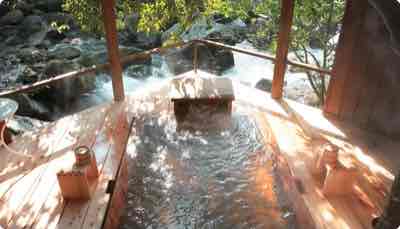
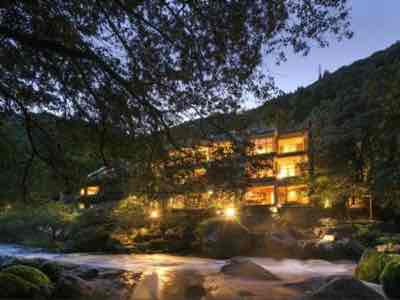
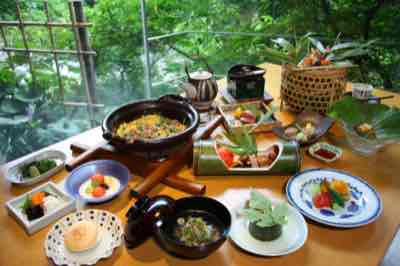
A 500-year-old Shuzenji inn that KI-NRT keeps permanently on his list of top ryokans and calls the pinnacle of Japanese architecture, hospitality and cuisine near Tokyo, arranged around a koi pond, a night-lit bamboo grove and a working Meiji-era Noh stage where Living National Treasures still perform. Since the 2023 rebuild every one of the 12 suites has a private onsen and there are no bad rooms left: Hagi and the villa Tenko for brook-side calm, Hagoromo for the stage view.
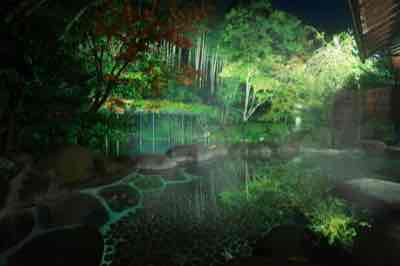
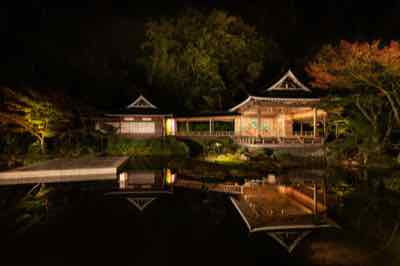
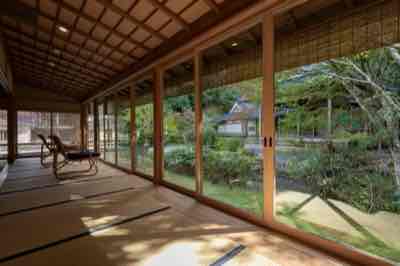
A 12-villa Amakusa newcomer, opened in September 2024 by a Kumamoto wedding company with no previous ryokan experience, where every suite runs 86–119 m² with a source-fed golden Kinsen onsen bath and island-dotted sea views, and chef Yuuki Nakano's 16-course dinner left KI-NRT stunned. After one stay in the top suite he called it just about perfect, one of a handful of times he has ever been able to say that, and promised it a comfortable place on any future personal top-ten list.

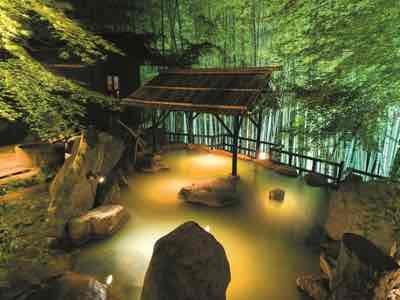
A vast, lamp-lit bamboo-forest estate near Kurokawa and KI-NRT's favorite ryokan in Japan across three visits, the rare property that is itself the destination, where a butler of a nakai-san runs everything and every bath is private, though the fully exposed ones can shut in deep-winter snow. One guest proposed here; another left plotting a spring return. At $1,300–$1,800 a night it's priced near the very top of its class, and guests call it worth it.
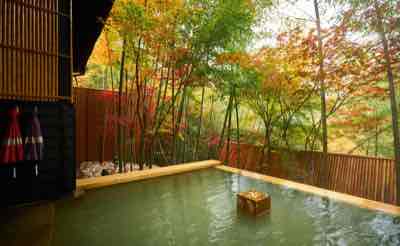
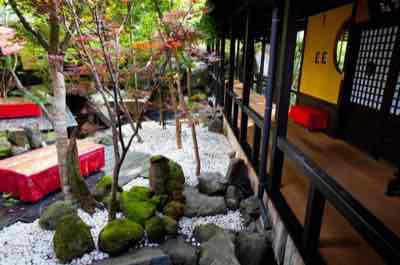
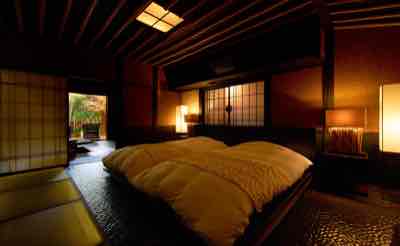
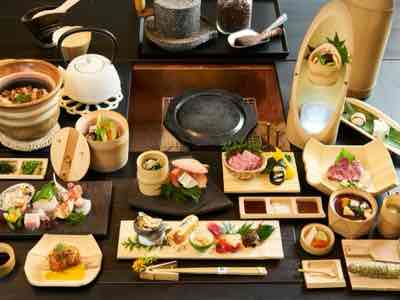
A 12-room Yufuin inn whose plain grounds hide the best service KI-NRT has encountered anywhere in Japan (four staff rushing out with umbrellas in a storm, a butler dedicated exclusively to your room for every meal) and a spectacular kaiseki kitchen that shows off Kyushu's meat, fish and produce. After two nights of "pure bliss" he agrees without hesitation with Japan's own word of mouth that this is a top-10 property in the country. The magic is all indoors, and each of the 12 rooms has its own character.
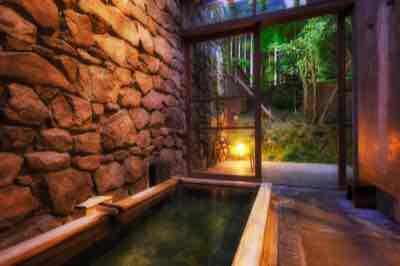
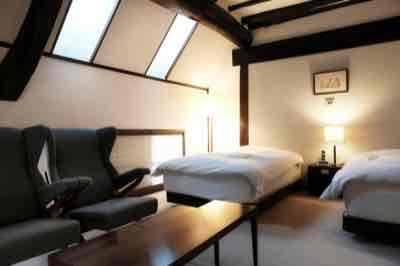
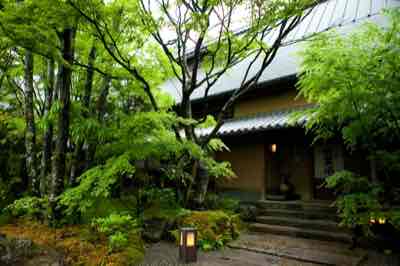
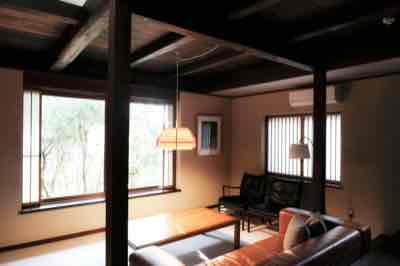
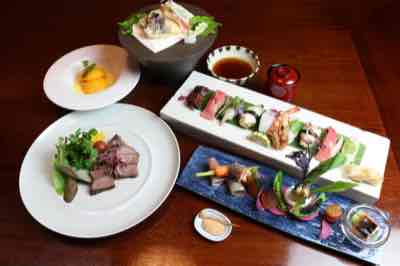
A ten-room destination ryokan in the quiet Akita countryside near Kakunodate's samurai district, where the owner drilled 1,000 meters to give a town with no onsen its own hot spring, piped to every room. KI-NRT built an entire trip around it and gave it top honors in Tohoku (by a hair), with kaiseki that produced the best fish dish of his life. Reservations are really difficult to get, and repeat guests keep it that way.
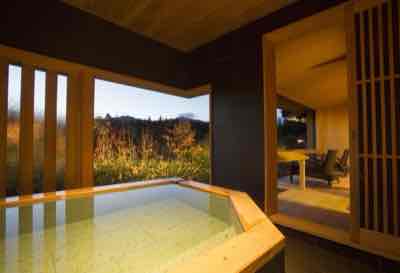
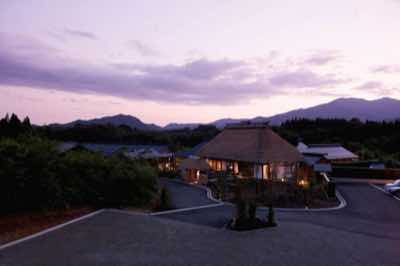
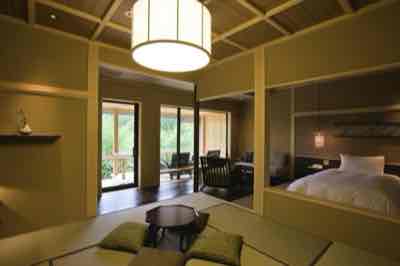
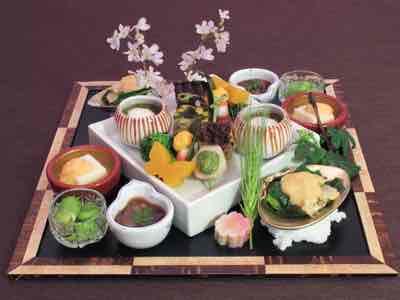
A family-run 15-room gourmet inn in central Takachiho, spread across three distinct garden areas, where every meal is served in a rotating series of private dining rooms and the caviar comes from its own locally raised sturgeon. KI-NRT counts the cooking among the top dining experiences of his life. The one drawback is that there is no real onsen, only heated baths, and that alone leaves it just outside his national top ten. He has a return booked for late 2026, and a new Beppu annex opening mid-2026 could stretch the staff a little.
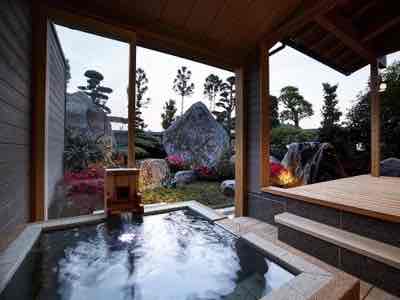
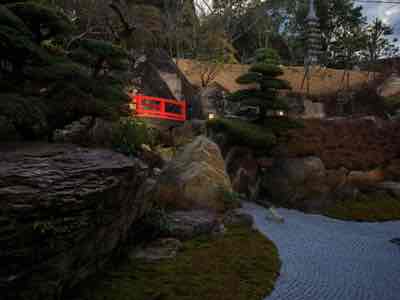
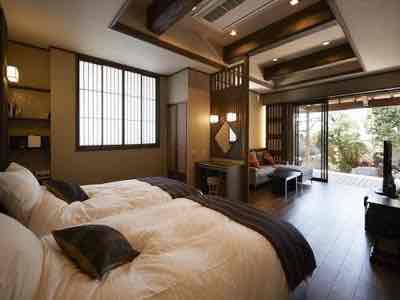
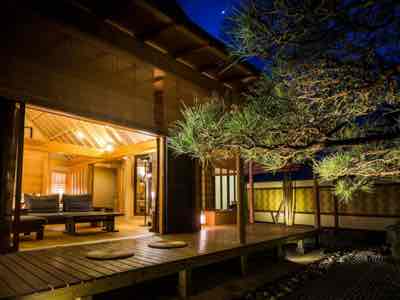
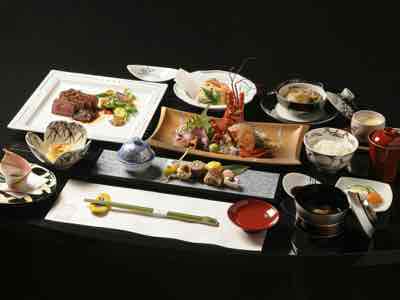
A 29-room auberge resort in the foothills of UNESCO-listed Yakushima, with an ocean-view pool and French-inspired cooking, which KI-NRT calls as close to an Aman as a Japan property can get, except that the food is better than at most Amans. There is no onsen anywhere on the property and the rates are steep even for a property of this class, but both of his stays were exceptional ("no aspect of our experience caused a blemish"), he thinks the restaurant ought to have a Michelin star, and he would go back for the food alone.
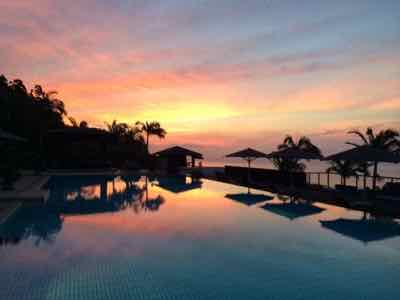
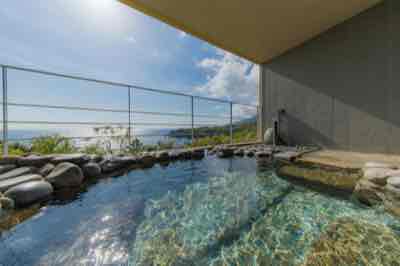
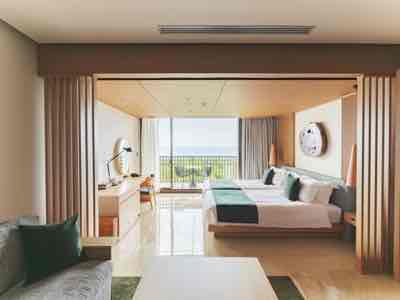
Fufu's 24-room Nikko property, opened in 2020 on the old grounds of the Tamozawa imperial villa, gave the town its first true luxury inn, modern and hotel-like where most ryokans are traditional, with an onsen bath in every room and a short walk to Tosho-gu. The flaws are small, a very good kitchen that runs to a Fufu formula and pre-arrival emails that go unanswered, and guest after guest comes away glowing. One couple called it everything a luxury ryokan could and should be, and it has a place on KI-NRT's own top ten.
The 150-year-old flagship of Kinosaki Onsen and KI-NRT's annual crab pilgrimage: four stays in, he still names its Matsuba-gani kaiseki the best crab cuisine he has ever had and doubts anywhere ever will compare, served in your room in a traditional house built around a garden. His November 2023 stay found the kitchen below its past peaks, though it stays in his rotation. Book the November–March crab season; bathing is in the communal baths plus Kinosaki's seven town bathhouses, since no room in Kinosaki may have an onsen by town rule.
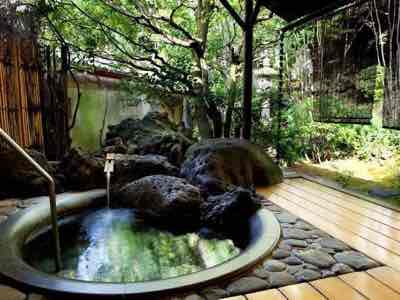
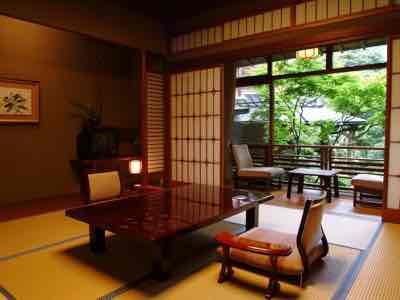
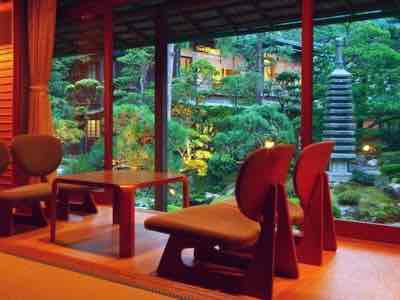
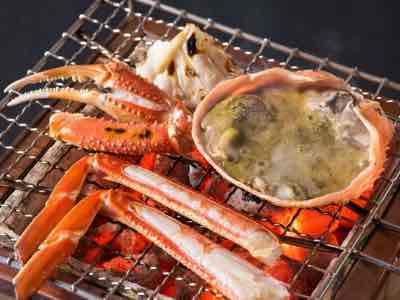
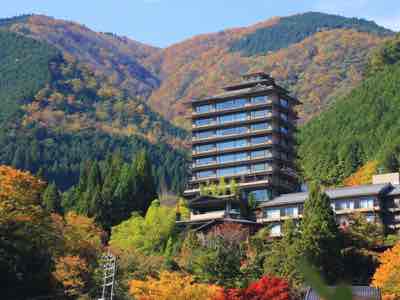
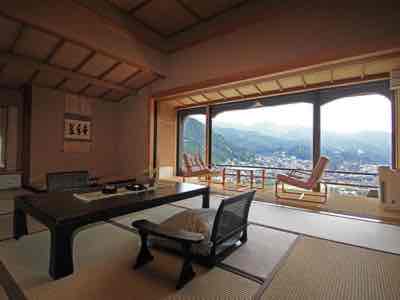
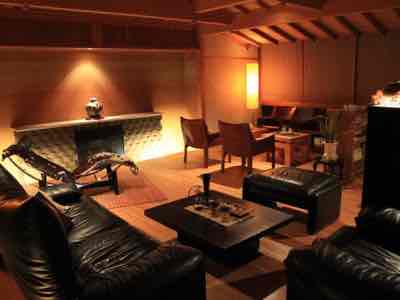
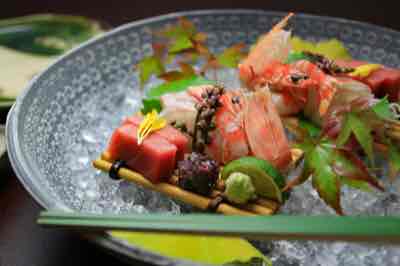
A 21-room hilltop ryokan overlooking the Gero Onsen valley, a tall, nondescript building outside but inside all rock gardens, artsy lounges, a spectacular creative-kaiseki kitchen, amazing Gero spring water and valley views from room, lounge and communal bath alike. KI-NRT puts it in his personal top ten and far and away first in Gero. The charm is all inside, and the private-onsen rooms sell out early.
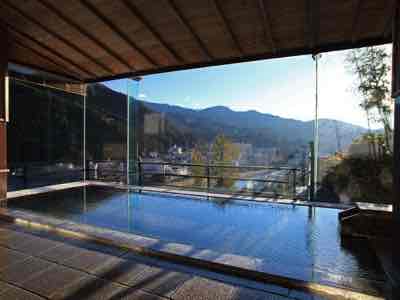
Ryotei Hanzuiryo is the most famous and luxurious of the Unzen ryokans, and KI-NRT counts it among the most renowned in the country: a 14-room sukiya-style ryotei where an outstanding in-room kaiseki, an otherworldly 300-square-meter villa and omotenashi at its finest all came together on his December 2024 stay. Book one of the two Tokubetsu Shitsu by phone a year out, because they are the only rooms with in-room onsen. He has stayed once and has not said where it ranks for him.
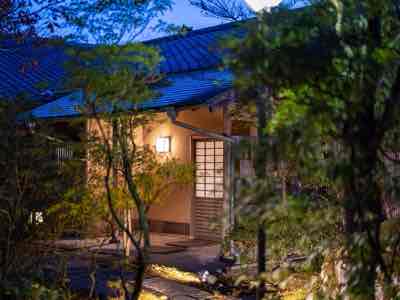
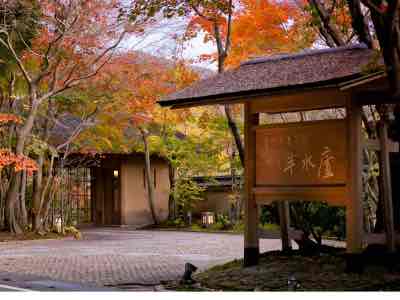
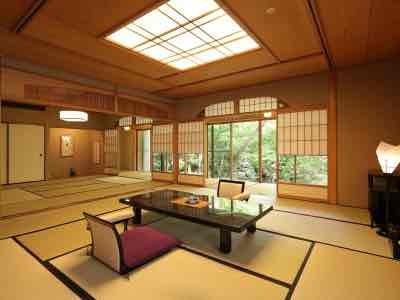
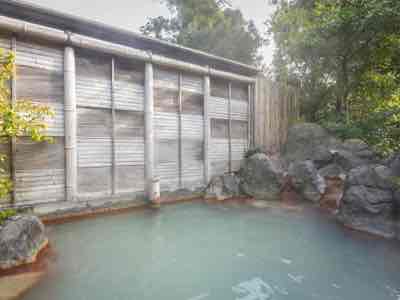
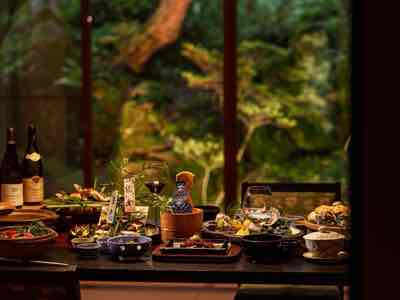
Shiguchi is Zaborin founder Shouya Grigg's five-villa kominka retreat, the ryokan he says he always wanted to make, with massive restored farmhouses filled with his art and two private source-fed baths in each. Four stays agree it is Niseko's most soulful luxury option. KI-NRT calls it 'a true gem' and gives the staff's warmth a chapter of its own, and one member put the dinner among the best meals of a two-week Japan trip. At roughly ¥268,000 a night it is one of the most expensive inns even in this company.
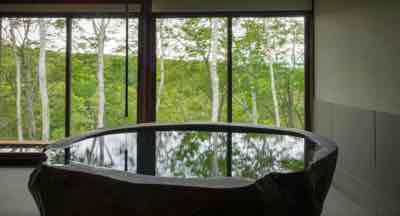
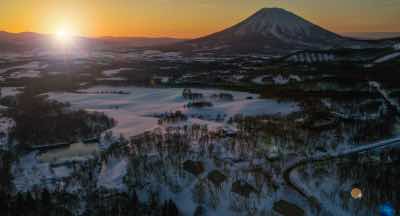
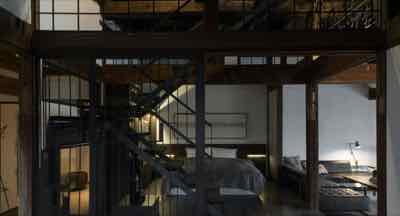
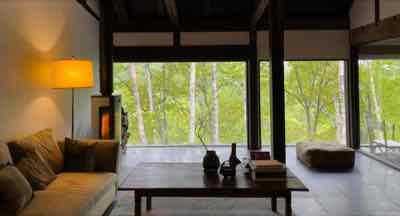
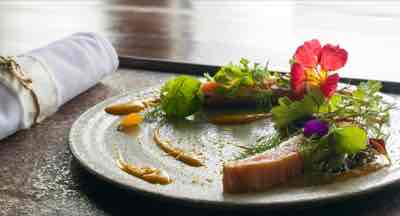
A rebuilt samurai residence in Minamiuonuma snow country, feudal Japan from the grounds and artsy and avant-garde inside, that KI-NRT says nails it on all counts: innovative local cooking crowned by Japan's best rice, private terrace onsen and polished, unintrusive service. It is room-dependent, because reception is very mixed and probably comes down to the lesser rooms, so book a Villa Suite Premium, ideally room H over the pond; even that top villa comes in under entry-level rooms at the famous names, which is a bonus.
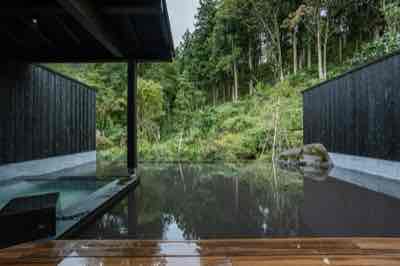
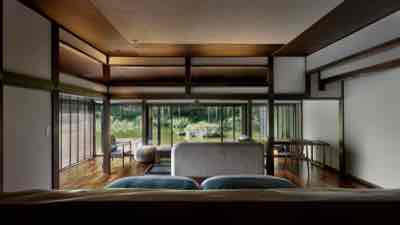
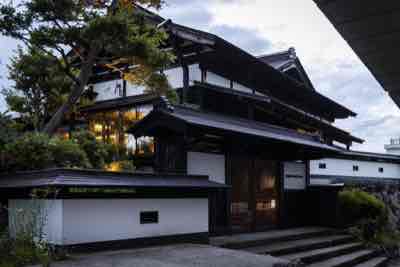
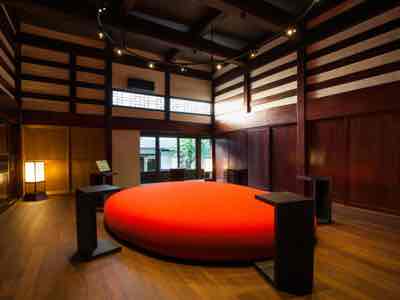
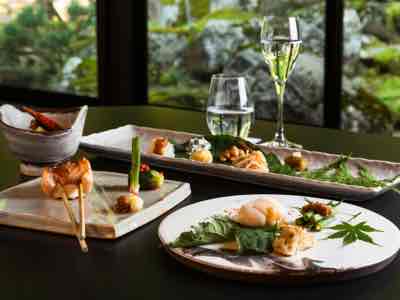
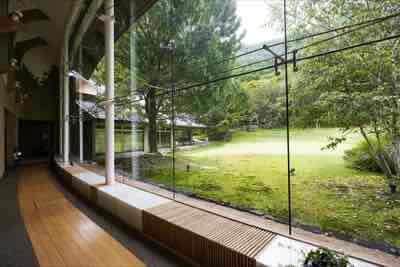
Established in 1997 as the upscale annex of Ryokan Tanigawa, Senjuan is an artistic showpiece in the shadow of Mt. Tanigawa, with carvings on every beam, a glass-walled corridor onto the Alps and source-fed baths in all 18 rooms. KI-NRT says it could easily crack his top ten and would not hesitate to return. There is little to do here beyond soaking, eating and the scenery, which is exactly why it shines in deep winter, when the garden turns into a private snow park.
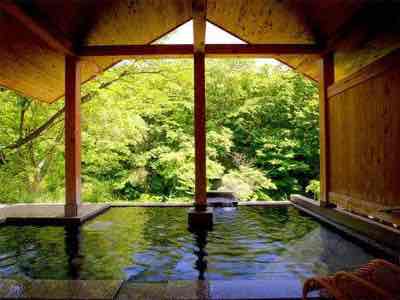
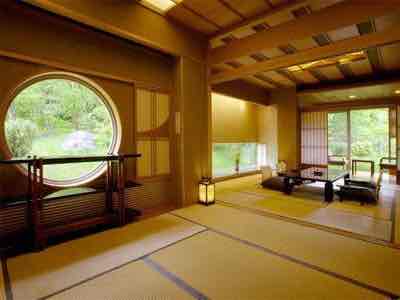
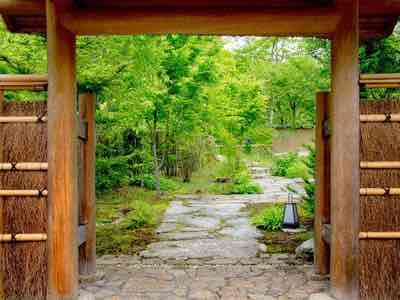
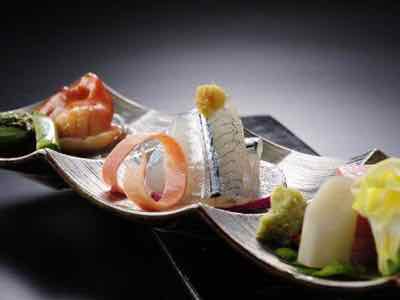
One of Kyoto's original big three, an 1818 inn facing Tawaraya, and KI-NRT's third stay was his best yet, because the appeal lies in depth, in layers of craftsmanship and in service that anticipates what you need, and nothing about it shouts for attention. It is easier to book than Tawaraya, with an excellent English website, and to his palate better fed, but the fixtures are dated and the futons tried his wife's patience. Pick the Honkan for Edo-period atmosphere, the Shinkan for modern light and an elevator.
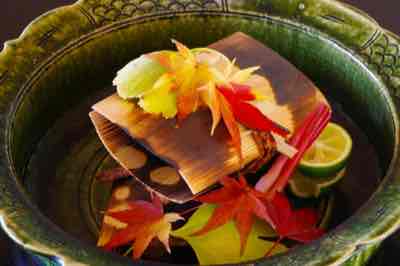
A modern eight-room auberge in deep Wakayama countryside that people book for its French-Japanese dinner. KI-NRT left calling it one of the very best culinary destinations in existence, and stays through 2025 report the kitchen still at that level. Rooms, baths and scenery are comfortable but secondary, since its top-ten spot is earned at the table, so plan it as a one-night gastronomic detour paired with Koyasan.
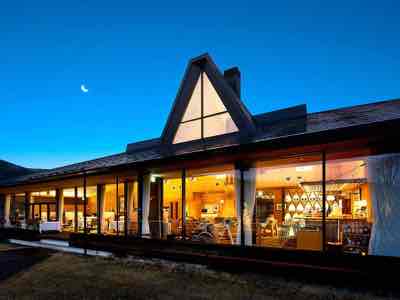
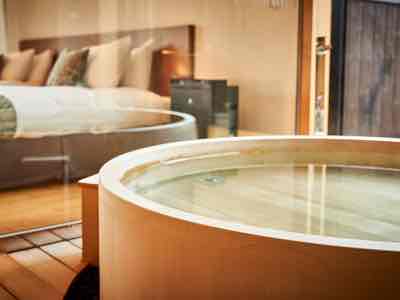
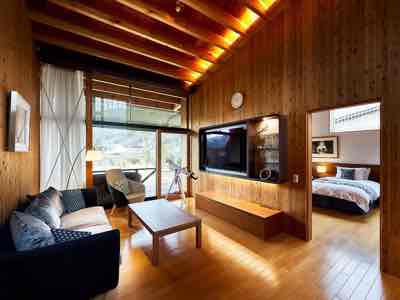
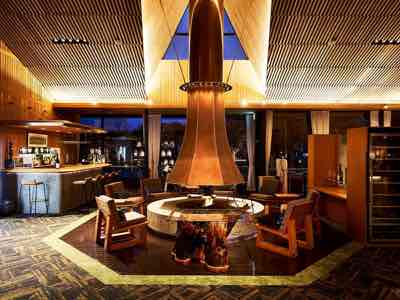
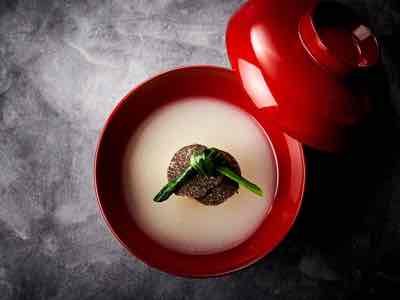
A 19-room onsen ryokan in a moss forest outside Hita, built around giant boulders beside a river and waterfall, with bathing KI-NRT calls second to none at a place he argues is easily among Japan's 20 best. At $420-600 a night it is a real bargain against neighboring Yufuin. The Taisho-era interiors charm some and put off others, and the sulfur smell and waterfall roar are strong enough that sensitive sleepers should take one of the five onsen-free rooms.
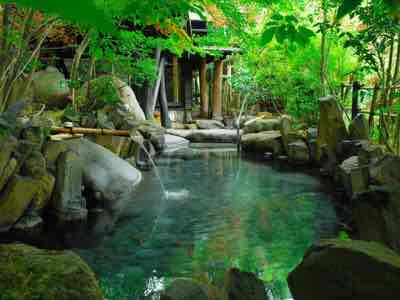
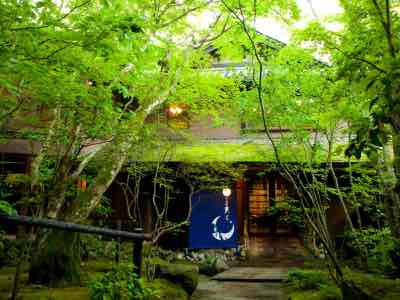
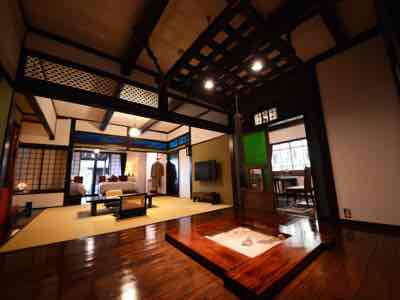
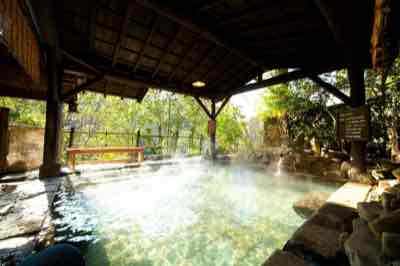
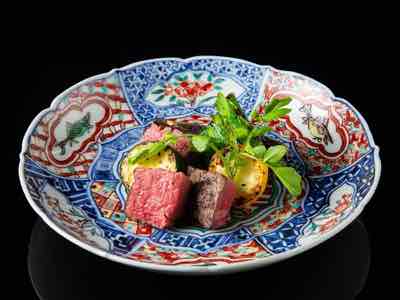
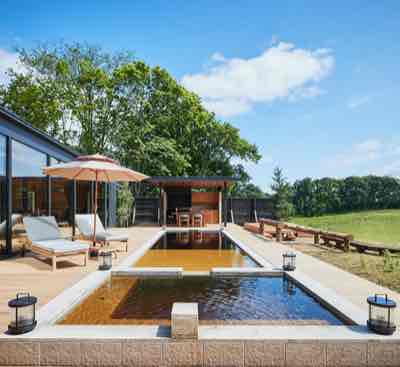
A four-villa private retreat opened in 2024 on 77,000m2 of forest and meadow near Kitahiroshima, 30 minutes from New Chitose Airport, where check-in, every chef-cooked meal and two baths of rare amber moor onsen all happen inside your own villa. At about 339,000 yen a night it is among Japan's priciest, and after one superb stay KI-NRT calls it his favorite ryokan in Hokkaido, ahead of Shiguchi, because the glorious water, airy villas and dining cooked for you alone are exactly what the rates buy.
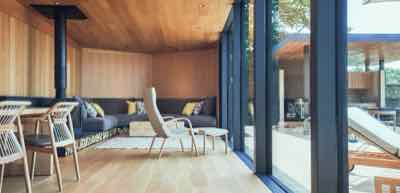
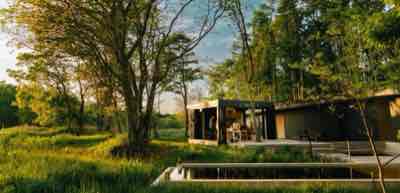
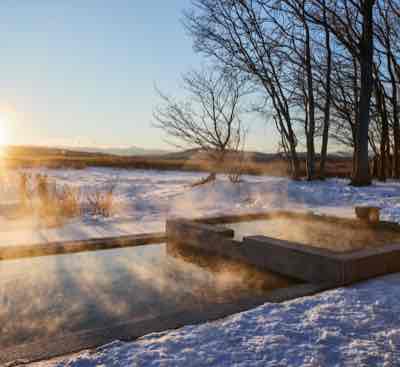
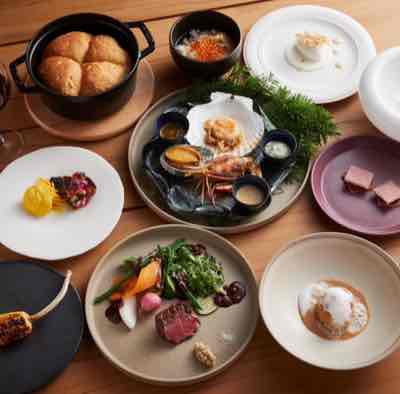
An eight-room hillside ryokan behind a massive gate in Kurokawa Onsen (renamed Gekkoju Kurokawa), with an onsen bath in every room plus private rental baths, including a man-made cave bath and the exposed hilltop Tenku (go after sundown). With Takefue it defines the top of Kurokawa, and KI-NRT says the area's luxury drops off steeply after these two; plenty of guests prefer it, and a 2025 visitor who tried both called it 'the overall best for me.' Book a suite higher up the hill for the valley views.
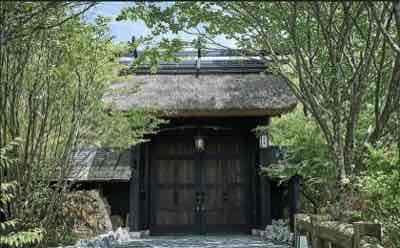
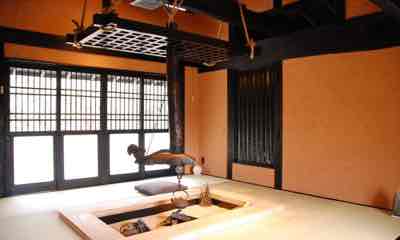
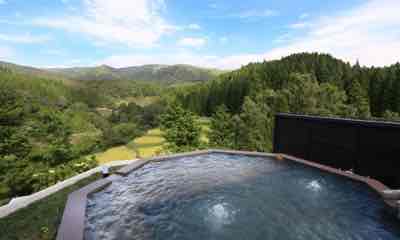
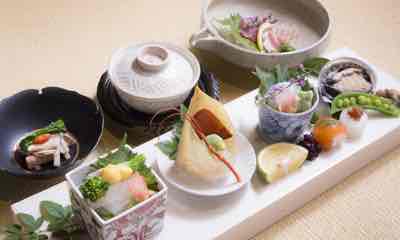
A modern 17-room adults-only ryokan on the water's edge in Tomonoura, every room facing the Seto Inland Sea with its own deck onsen bath, where the first night's dinner ranked among the best of KI-NRT's ryokan-going life. He would place the inn around his top twenty nationally, and Japanese guests near-unanimously agree. Book one of the four Upper Suites, the only category with in-room dining, and know that it stands on a working harbor, so ferry and port sounds come with the view.
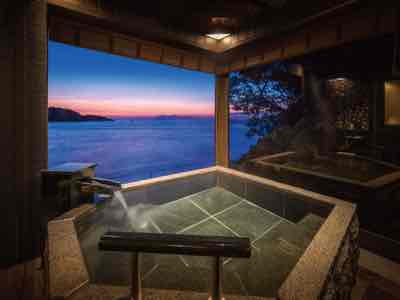
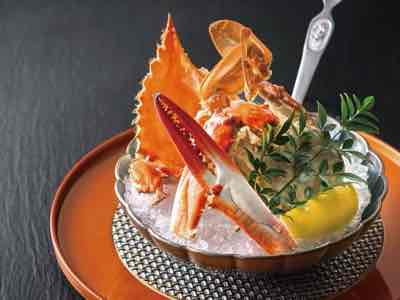
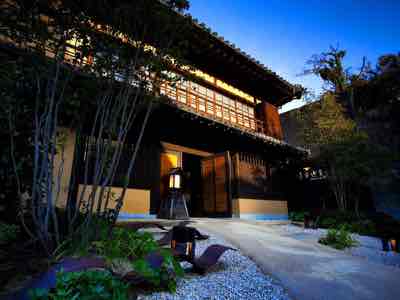
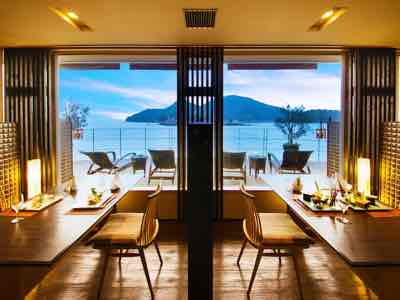
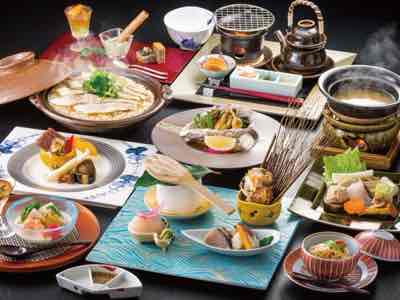
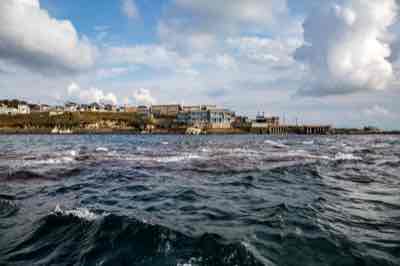
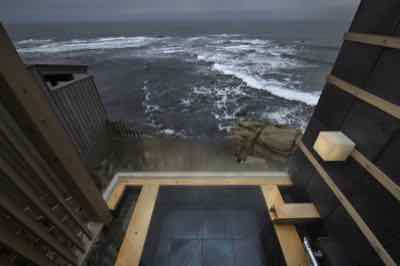
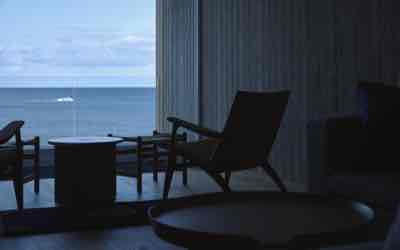
Bouyourou is a seven-room crab inn on the Fukui coast, rebuilt in 2021, whose owner personally delivers Echizen-gani to the Imperial household, and in season this may be the best crab meal in Japan, eaten in a private room after a soak in your own source-fed ocean-view bath. Rates are near the top of the whole field, roughly double Nishimuraya Honkan in crab season, and outside November to March there is less reason to come. KI-NRT came for the crab and the soak and the inn knocked both out of the park, but there is no garden, the town has little charm and the rooms are not vast.
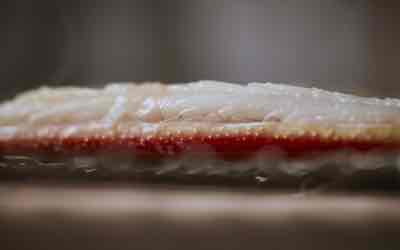
A nine-room historic ryokan at Murasugi Onsen outside Niigata, chosen by KI-NRT over its renowned neighbors for the architecture and radium springs, and he came away calling the charm off the charts, a rare classic property he prefers to his usual wa-modern taste. The cuisine and the top villa deliver without compromise; the mineral-steam bathing culture keeps every bath indoors, and the grilled nodoguro is at its best in fall and winter. He has stayed once so far.
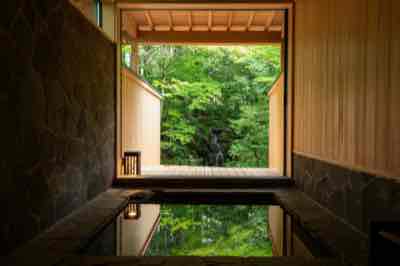
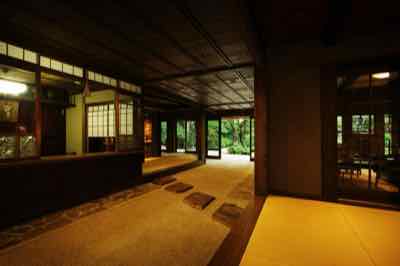
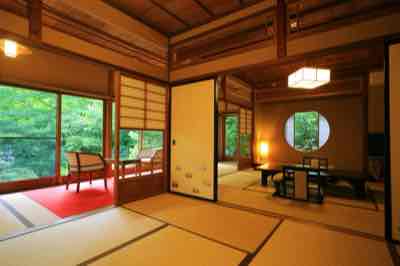
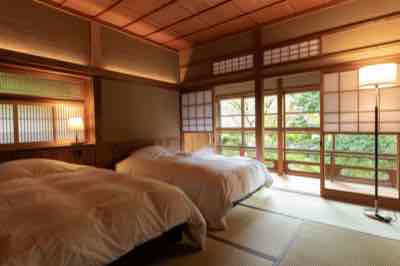
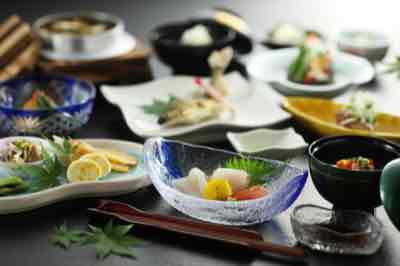
A one-party-per-day private-house ryokan in Higashiyama Onsen, converted in 2022 from the owner's grandfather's architect-built home, funded by the family's horsemeat restaurants and holding nothing back on the room, the minibar or the table. KI-NRT places it among the very best of Tohoku alongside Wabizakura and Kawasemi and says the off-the-charts word of mouth is deserved, after one stay. It combines easily with Atamiso, about an hour away.
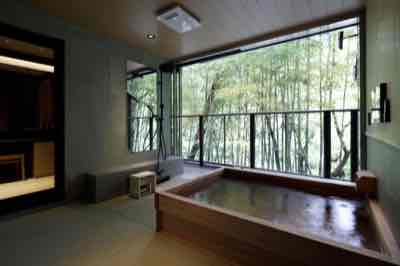
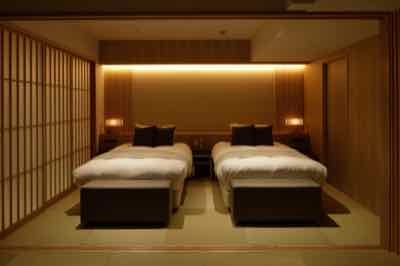
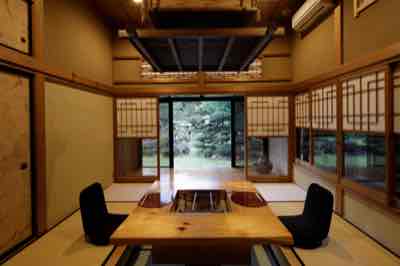
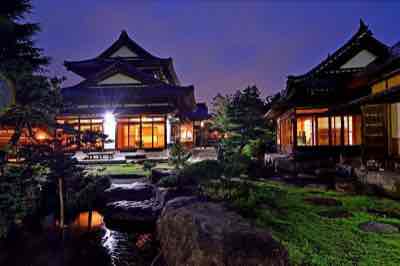
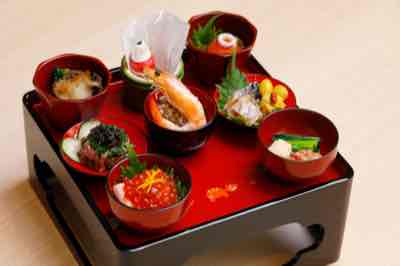
A stylish Japanese-modern ryokan in Yamashiro Onsen that does almost everything right (a top suite KI-NRT called perfect, in-room onsen, gorgeous grounds, an excellent crab-season kitchen), and then serves dinner in one shared, echoing dining hall with no private or in-room option. That single flaw is why he gave it a rare reserved verdict, is "not in love" with it, and would try neighbors before returning, even as crowds and ryokan first-timers adore it. Book a top suite and the earliest dinner seating.
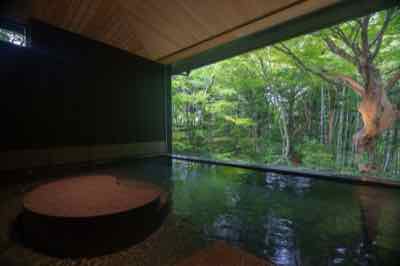
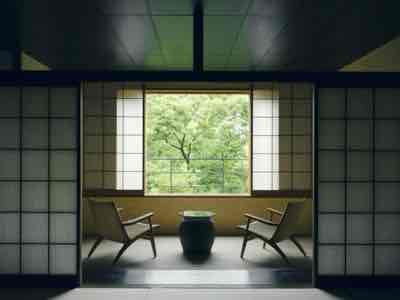
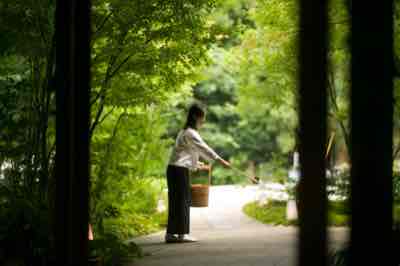

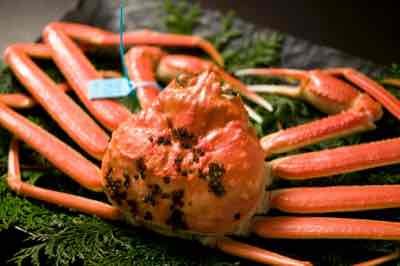
An ultra-modern 18-room newcomer (June 2023) on a hilltop farm above the Yufuin valley, built around Tashi Gyamtso's vegetable-driven cooking, which KI-NRT found eclipsed even SingleThread and called reason alone to stay. Rooms are huge with kakenagashi onsen in every one; service was still green in late 2024, though later guests report no such stumbles. Book a Villa or Pavilion, because most other rooms have no view or pool, and plan the stay around dinner.
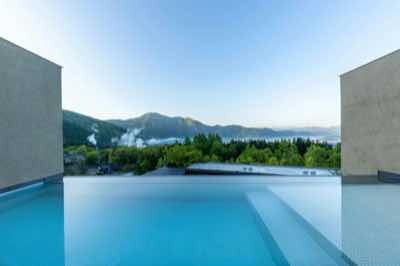
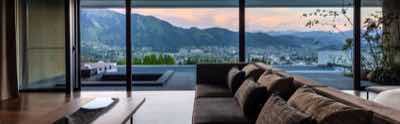
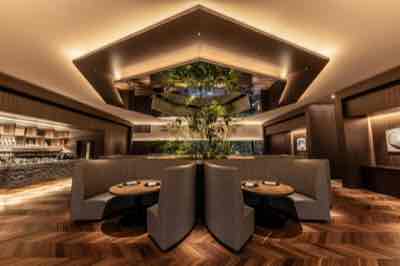
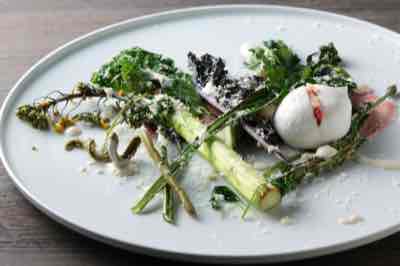
A ten-room hideaway in remotest Akita with a source-fed open-air onsen in every room, memorable regional cooking and total silence. KI-NRT called it worth a return, both reviewers left happy, and 8 of 10 fellow guests during his stay were repeaters. The interiors have not been touched since the 2005 opening, and the Edwardian furniture jars against the tatami, so the rooms are tired. You stay for the bath and the quiet and put up with the rooms.
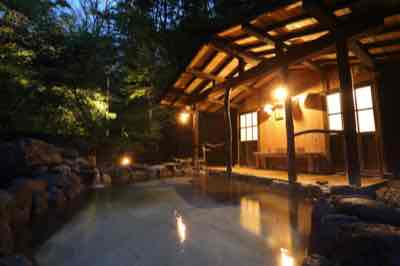
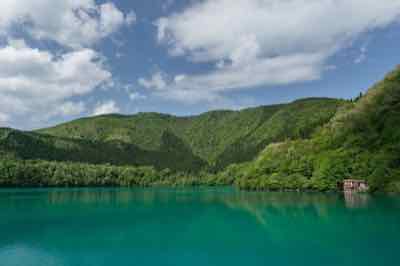
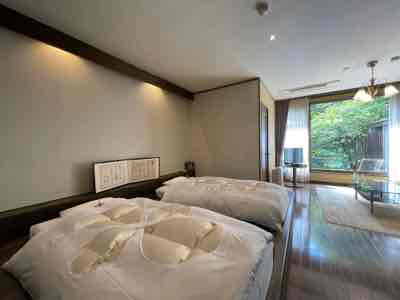
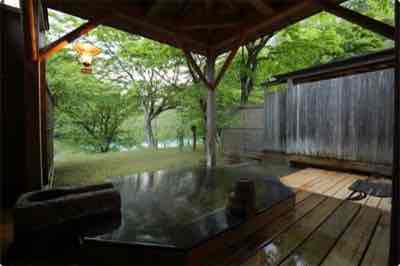
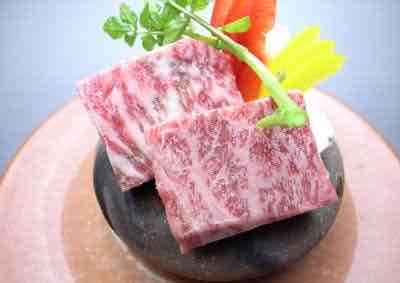
A luxury hotel rebuilt from scratch as a modern boutique property, right next to Unzen Jigoku, the steaming sulphur hells, with front-row views of them from most rooms and the lounge, and after a posh 2018 renovation it has a rooftop lounge over the hellscape and the feel of an all-inclusive. KI-NRT's three-night stay in a Hanare room was 'almost perfect', with food he puts up with the best ryokans and hotels in Japan, while Nagasaki Joe on a one-night return found the nine-course dinner good but uneven and the hotel hard to beat for a hot-spring stay in a great sightseeing location.
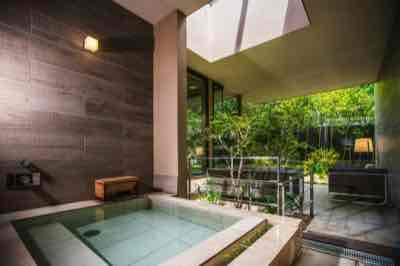
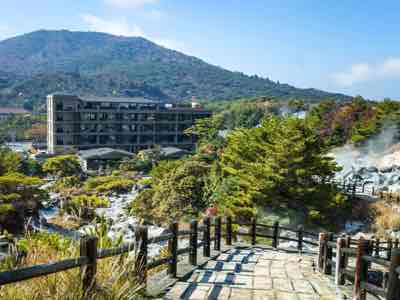
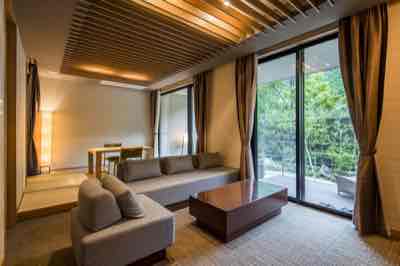
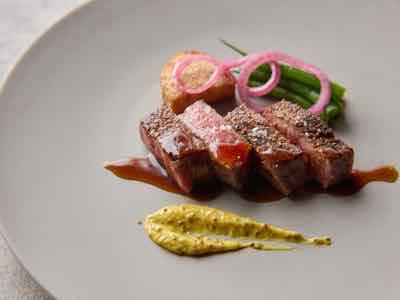
An eight-room farmhouse ryokan on an idyllic river in the forest outside Takayama, with cooking that fans and detractors alike call superb; KI-NRT found the dining far superior to the equally renowned Honjin Hiranoya Kachoan in town. His 2020 stay surpassed his high expectations, but a 2023 guest found the Garyu villa mouldy and the staff too few and will not return, and a 2024 guest did not enjoy the stay either, so the whole falls short of what the parts alone would suggest. You stay for the setting and the food and should not expect polished upkeep.
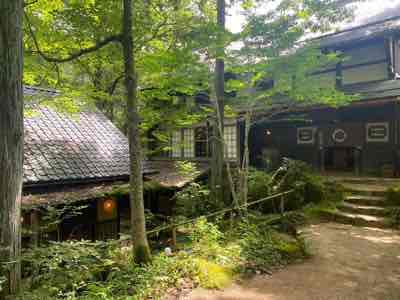
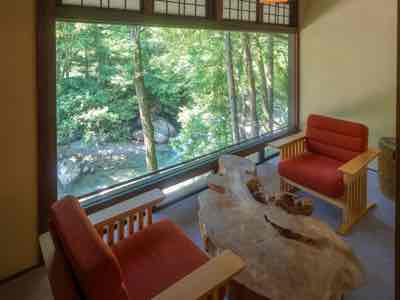
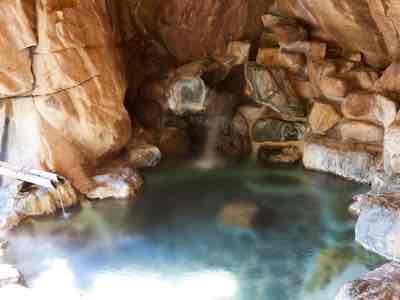
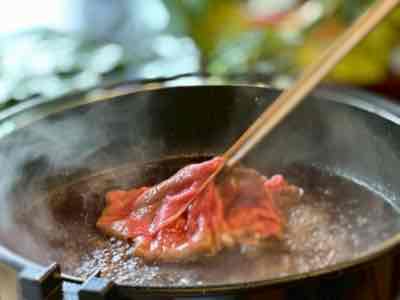
An eleven-room ryokan above the Gohyakugawa River near Koriyama that ran effectively private when KI-NRT stayed in May 2022, taking just two parties at a time, with chef Asano serving and explaining every course himself. He calls it one of the preeminent ryokans in Japan and prefers it to its flashier neighbor Suzukane, and only the rooms, which show slight signs of age, count against it. It has been closed since February 2025 for onsen plumbing work and a full renovation, so confirm it has reopened before planning around it.
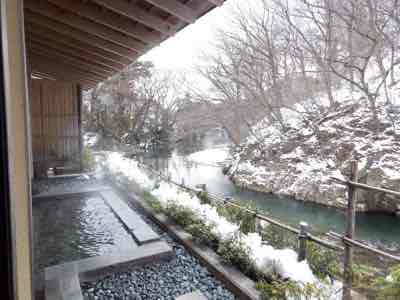
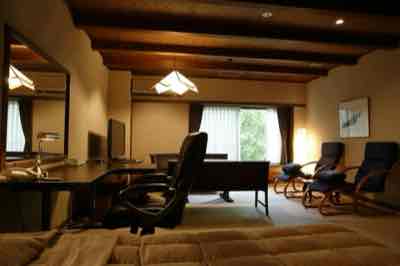
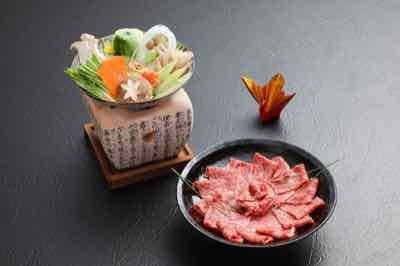
An intimate nine-room Otsuka-owned property on a ridge above the Naruto Strait, and KI-NRT's default refined stop for anyone entering Shikoku from Osaka or Kobe. Service is the strongest part (staff who remembered his wine picks and his room from a cherry-blossom stay years back), backed by a strait panorama he calls breathtaking at sunrise. His first stay left him lukewarm, closing with 'not that type of place'. The 2023 Zeiso villa fixes that gap, and his return ended with 'mission accomplished'.
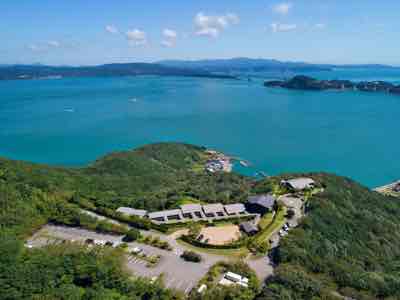
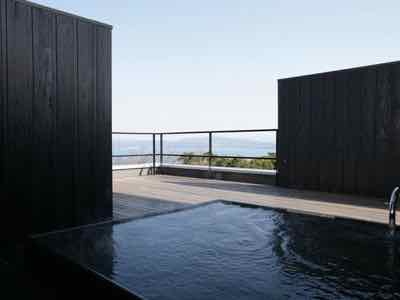
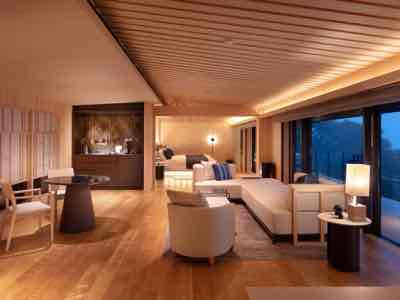
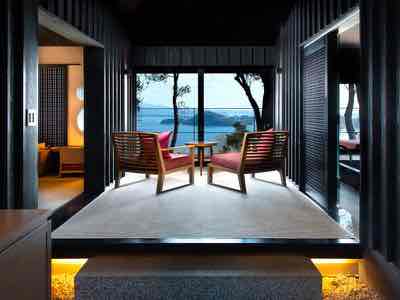
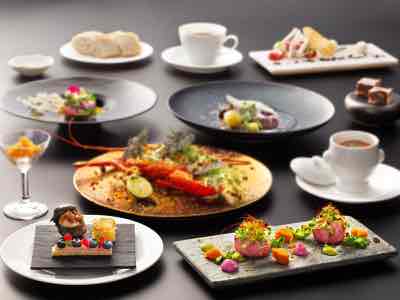
Onko Chishin's 2018 rebuild gave remote Iki its only luxury inn: 12 bay-facing rooms, each with a gold, source-fed onsen on the deck, and a kitchen that turns the island's uni, grouper and Iki beef into its reason to exist. KI-NRT says it isn't in his top ten and 'I don't feel it needs to be': it is unique and memorable, especially the onsen and the food, without being a place to build a trip around, and Iki itself is not somewhere he would send a first-time (or tenth-time) visitor to Japan.
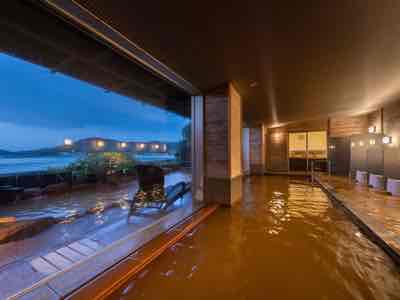
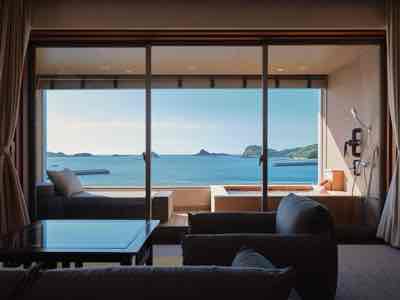
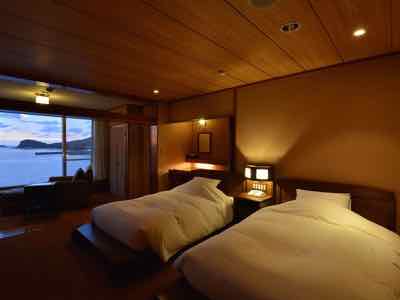
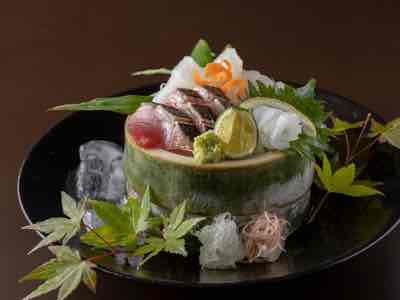
An 18-room Taisho-era onsen ryokan in the Nagano mountains that is a fixture on the stay-before-you-die lists, and at roughly 40,000 yen a head it is a screaming bargain by top-ryokan standards, which is exactly why KI-NRT braced for gotchas and found them, all in the lower room categories. Onsen, kitchen, staff and grounds are top notch, but the Sengotei shower and missing bath are teeth-gnashing. Both reviewers left net positive and would return, but only for Senzantei, the four rooms that erase most of the flaws and that you book by phone 11 months ahead or off a long waitlist.
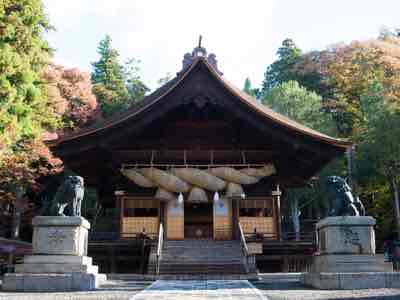
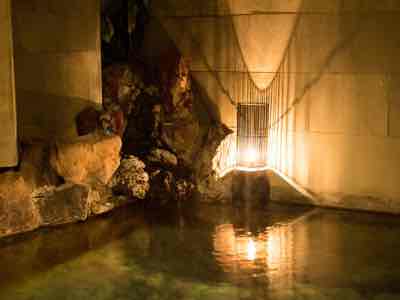
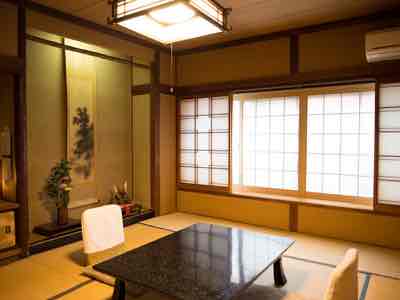
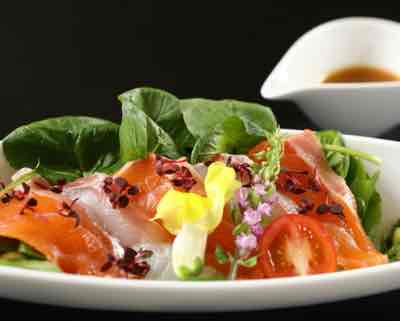
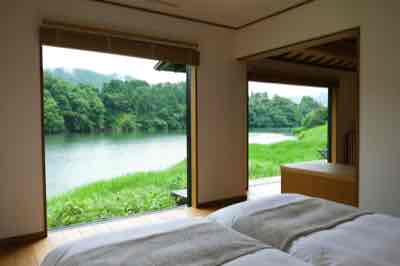
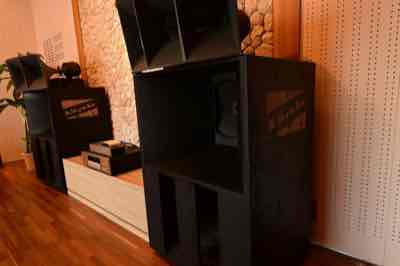
A four-room adults-only hideaway on Shikoku, built by a retired couple around a lucky spring strike and the owner's world-class vintage audio collection, where KI-NRT came expecting the river and the food and left most moved by the sound. The cooking is honest local organic fare that he puts below top-10 kaiseki, but the water, the villa acoustics and the personal welcome healed mind and body, and he calls it a refined, adult hideaway. Rakuten's reviewers give it a perfect 5.0, and a member's account elsewhere is just as enthusiastic.
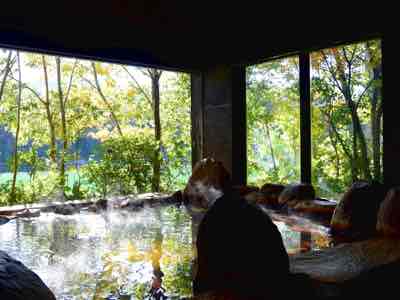
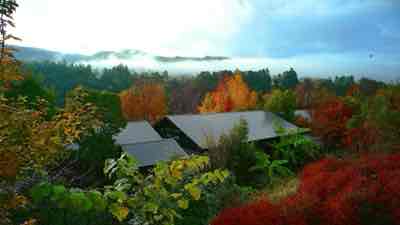
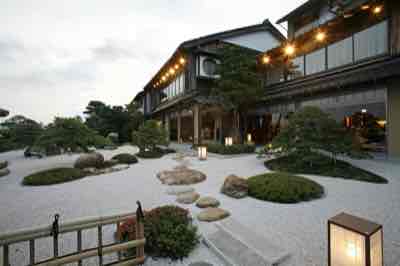
A renowned but still underrated 16-room Matsue ryokan that KI-NRT calls by far the top in all of Shimane, where he loved a full 3-night stay in Mizu no Oto, the 121-square-metre suite with its own excellent onsen bath. The famous dry rock garden, which is particularly picturesque at night, and the castle-town location add to it, and the value comes up in nearly every account, since even the top suite ran 40,000 yen per person half board. All three stays were happy ones, though nobody in the thread has written about the service or the rooms in any detail.
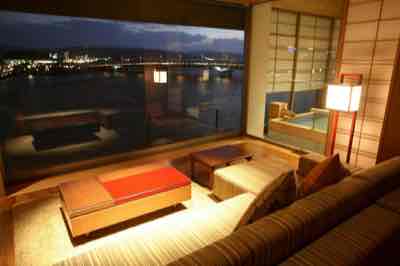
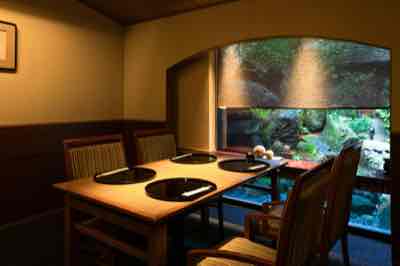
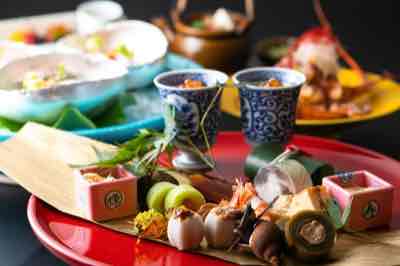
A twelve-room Iizaka Onsen ryokan where every room has an open-air onsen bath and meals served in the room, set around a pond garden, with a kitchen whose Japanese reputation drew KI-NRT there. He left an admirer, and the fresh-tatami upkeep surprised him for a place in the boonies. Against that stands the January 2025 stay by jpit2107, who found it luxurious but dated and soulless, very comfortable yet not charming, in a locale not worth the trip from Tokyo on its own. It belongs as one stop on a Tohoku circuit, which is how KI-NRT places it in his own Tohoku routes.
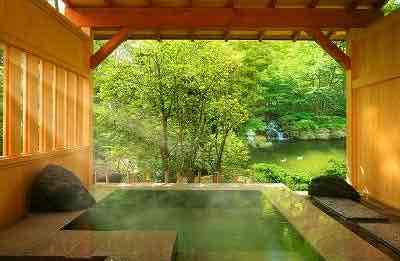
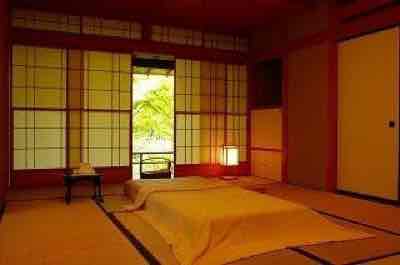
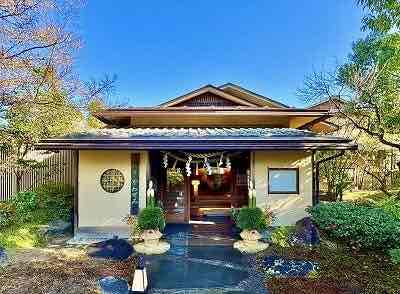
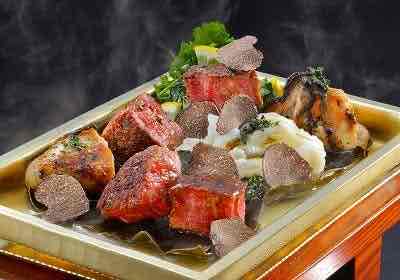
A 14-room design ryokan in Niigata snow country built around Keiko Kuwakino's foraged, vegetable-driven cooking at Sanaburi, which KI-NRT says gets no better anywhere than here and at Enowa. Book The House Izumi, the huge restored farmhouse with its own source-fed bath, because the main-building rooms are bland by comparison. All three stays across two winters were enthusiastic, and there is no dissent.
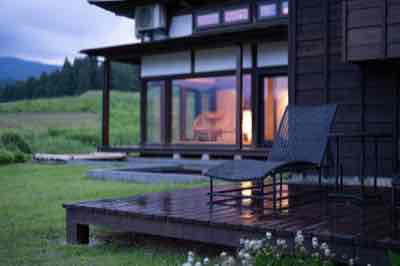
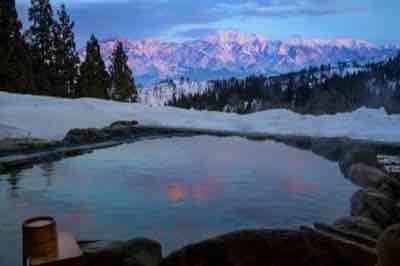
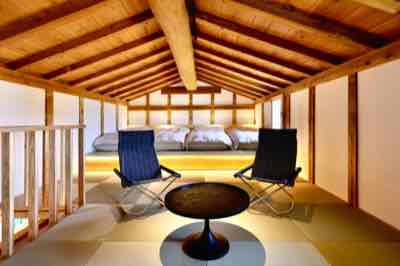
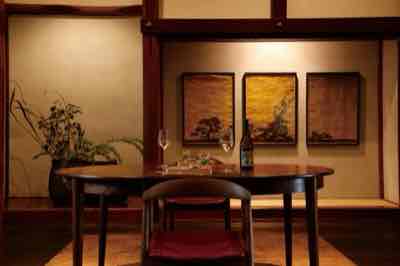
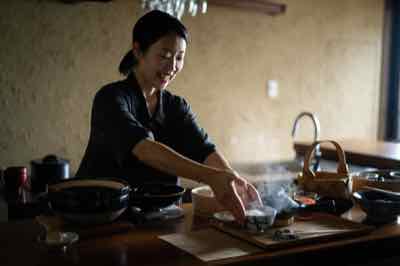
A seven-room hideaway deep in the Fukushima mountains, built around Shinpeki, a two-level private rotenburo beside a forest stream that KI-NRT ranks with Takefue's best bath. Setting and service run at the level of Tohoku's top inns, and the kitchen is the one relative weakness, finely crafted but below the region's best tables. Book Shinpeki the moment you arrive, because it can only be reserved on the day and the slots go fast.
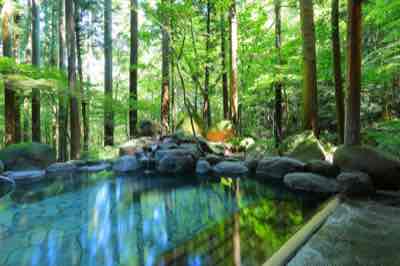
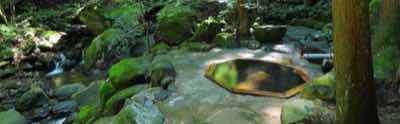
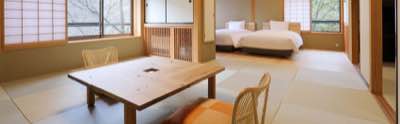
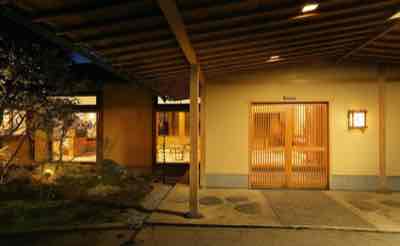
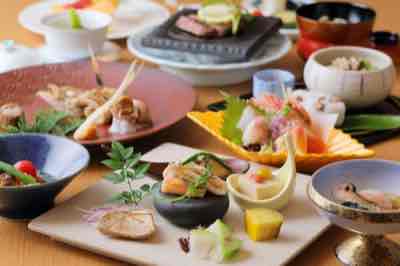
A 19-room, street-facing ryokan in Akayu Onsen, remade in 2017 under a magazine editor's direction, with a spring-fed bath in every room and counter-seated kaiseki built on obscure Yamagata mountain ingredients, cuisine KI-NRT ranks top-10, possibly top-5, of every ryokan he has tried. Book KURA01, the 129 m² first-floor suite with a private garden and volcanic-rock tub, which is the only room he considered worth staying in. It is a lively, social house where you are constantly involved, and he enjoyed that even though he usually prefers solitude.
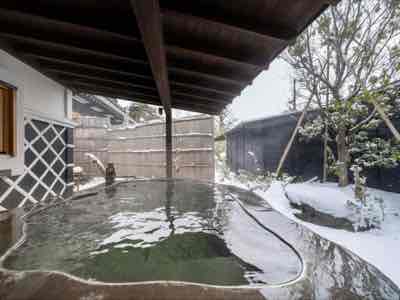
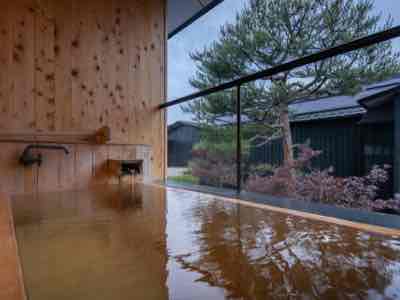
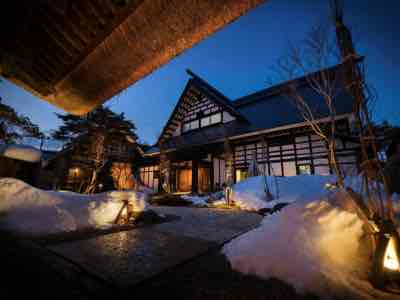
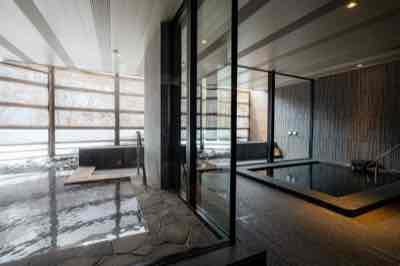
A 2019 all-suite riverside ryokan that KI-NRT calls Jozankei's premier luxury stay, with Aman-grade design, an involved okami and memorable Hokkaido kaiseki, an easy hop from Sapporo. The one drawback is the bathing, because the source water is tempered with tap water and there is no open-air bath, so Takinoya still wins on onsen while Chalet Ivy wins nearly everything else. Both first-hand stays were happy ones, with nothing said against it.
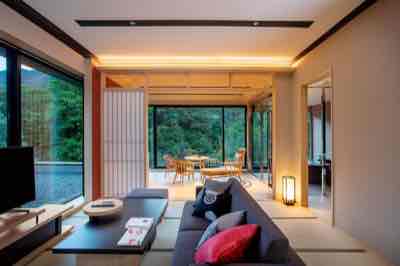
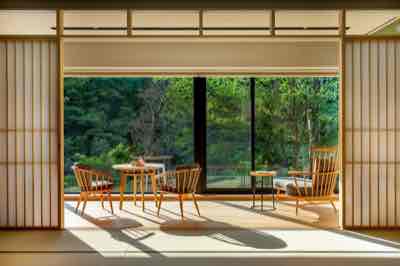
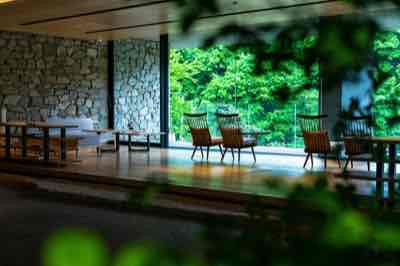
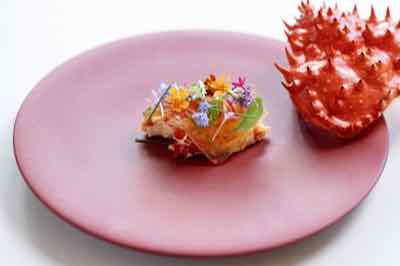
A 23-room Fufu-group ryokan in Hakone that does not use the Fufu name, because it is more traditional in architecture and aesthetics and caters to a slightly more mature crowd, and its dining rooms are set in a Taisho-era Mitsui villa. KI-NRT returned deliberately, places it right up there with Gora Kadan, Ginyu and Yama no Chaya despite being less celebrated, and treats it as the group's service standard; a later member's stay confirmed the staff as the standout. Book the kaiseki, because the teppanyaki is a pleasant change of pace but it is not the kitchen's best work.
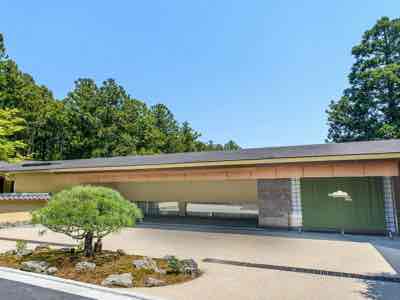
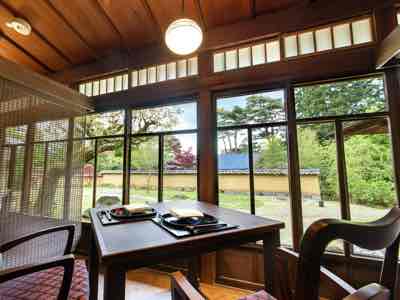
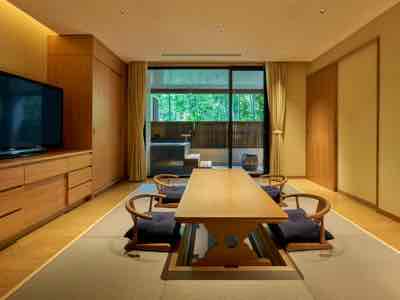
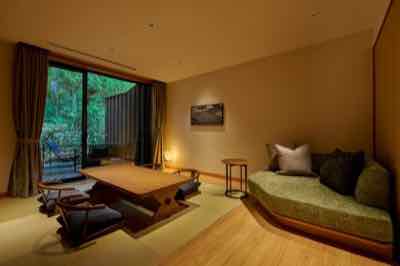
Chikurintei is the only bona-fide luxury ryokan in Takeo Onsen, with 11 secluded rooms at the foot of Mt. Mifuneyama, every one with a private onsen bath, both meals served in your room, and service KI-NRT ranked above Aman's. The weak point is the kitchen, because for all its regional ingredients dinner did not live up to its tour-de-force reputation on his December 2024 stay. He would happily return, but in bloom season, when the park next door is at its best.
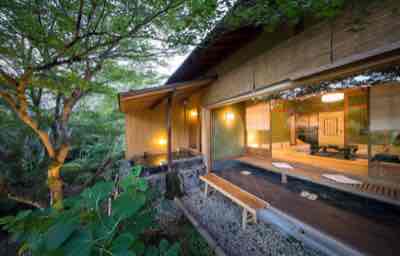
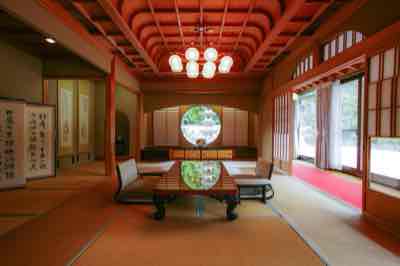
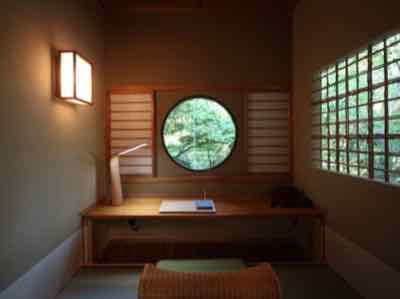
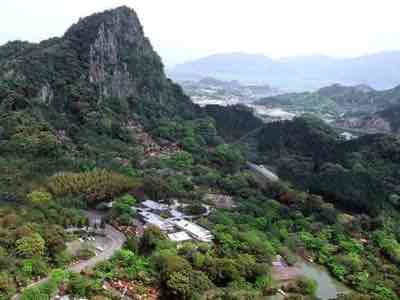
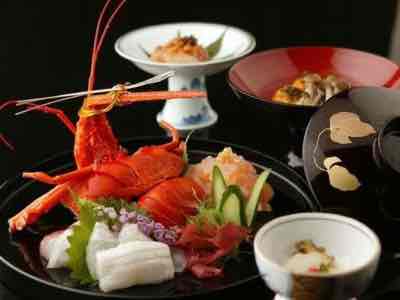
An onsen ryokan in a narrow forested Hakone valley, with an open-air onsen bath in each room, meals served in the room and three shared baths (one outdoors, up a short path), at roughly $600–850 half board, well under what a Tokyo hotel costs. Every first-hand account runs warm to glowing, and the kitchen is the consistent star. KI-NRT is cooler, calling it a solid choice, though not quite as centrally located as Gora Kadan or Ginyu, and he puts Asaba at the top of his own list for the region. The valley is serene, but there are no views.
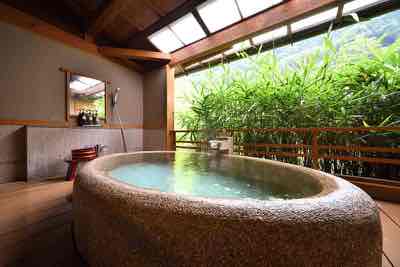
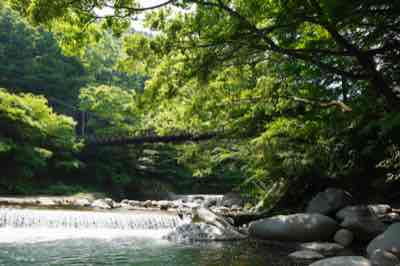
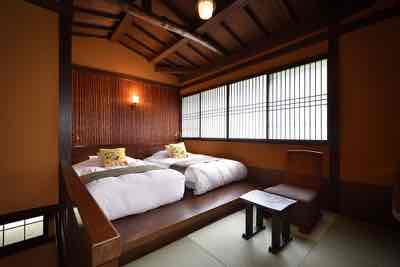
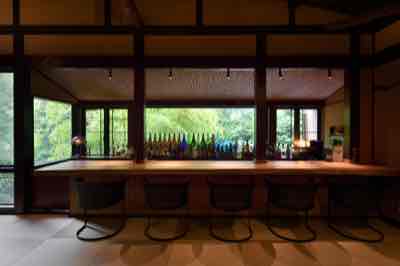
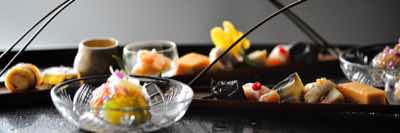
A 12-room hot-spring retreat in the Iwate mountains with free-flowing source onsen in every room, a private bath suspended over the stream that is worth the trip on its own, and Iwate-proud staff whose hospitality stood out most for KI-NRT. The kitchen does regional fusion led by chicken and pork, which he admires without calling it destination dining. He has stayed once, and calls it well worth the journey for a quiet retreat with authentic hot springs.
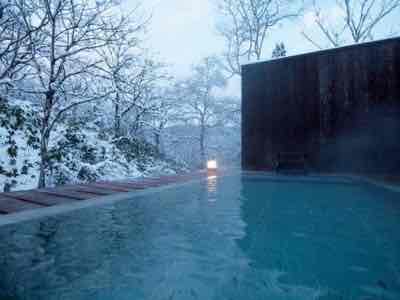
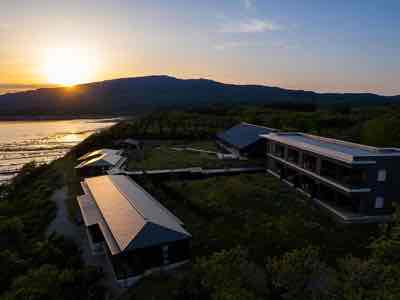
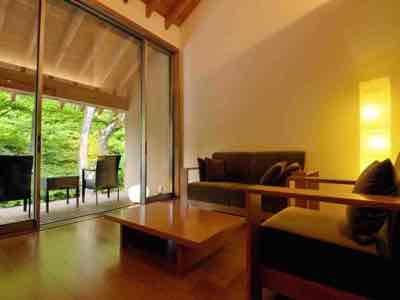
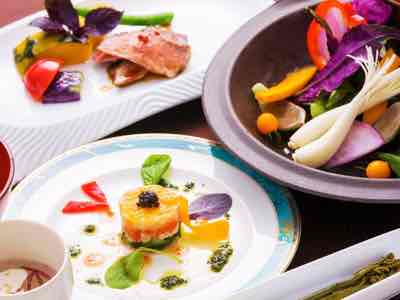
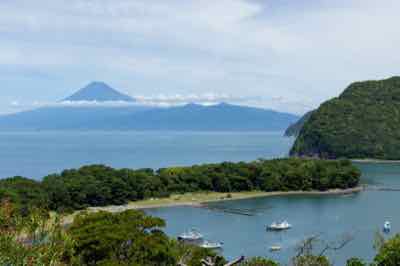
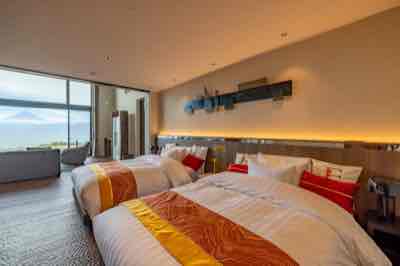
Fuji Seiran is a five-suite newcomer on the west coast of Izu built around the view of Mt. Fuji across Suruga Bay, with spectacular cooking from its opening week. At $2,400–2,900 a night KI-NRT called it Asaba prices without the pedigree, and the trucked-in bath water, the shared walls and the lounge terrace that faces away from the mountain are where the near-perfection those rates demand falls short. It is best on a clear day between late fall and early spring, and if you have two nights he suggests pairing it with Asaba.
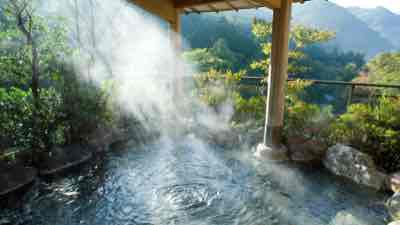
A large, modern luxury ryokan above the Kakusenkei gorge, and the food (spectacular winter snow crab above all) is the main reason anyone comes; source-fed bathing reaches only its top suites. KI-NRT's reservations (restaurant-only dining, a view-less private bath, baffling ordering) kept it at 'merely one of the top choices in Hokuriku' for him in 2018; the 2024 renovation and simplified set menu have since answered some of that, and a 2025 guest called it the perfect choice for a food-first stay.
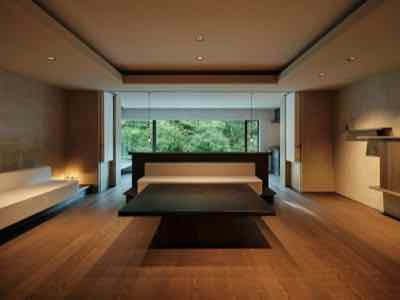
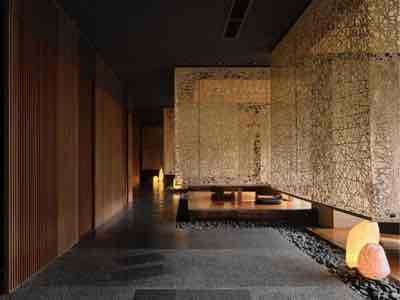
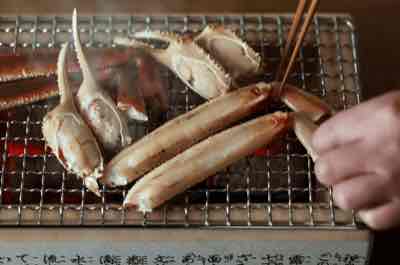
A 39-room Miyajima ryokan that won KI-NRT back to the island after a disappointing stay at Iwaso, provided you book one of the six renovated special rooms, because the regional kaiseki served there (conger eel, fugu, Hiroshima oysters) is the reason to stay. The kitchen has to carry a large operation, since nobody in the thread has written about the service and the in-room baths are not true onsen, so the inn ends up below what the plates alone would suggest. It is near the bottom of its price class and KI-NRT's choice for a night on the island.
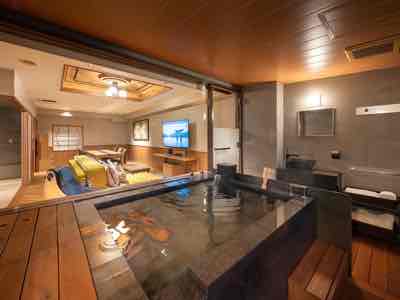
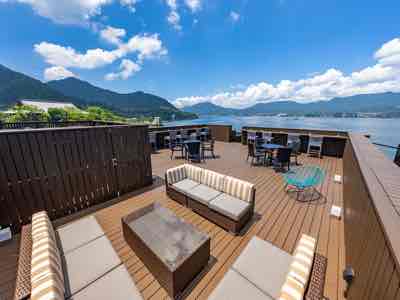
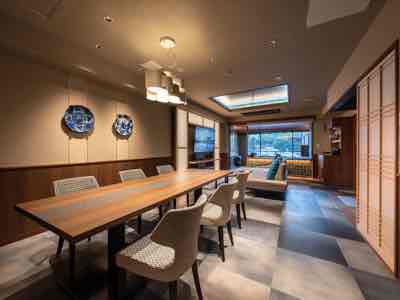
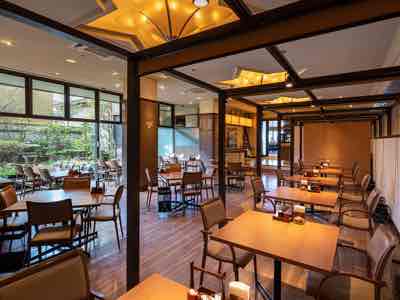
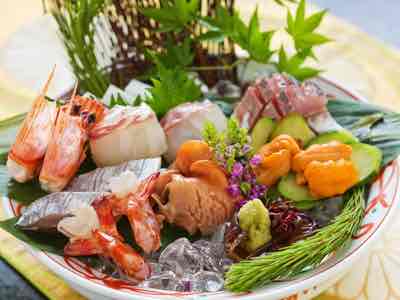
Otogi no Yado Yoneya is a 17-room fairy-tale-themed onsen ryokan deep in rural Fukushima near Sukagawa, its rooms and seasonal 'Otogi Kaiseki' dinner built on a playful (but not gimmicky) storytelling concept, with a six-room Hanare 88 annex added in 2021. The bathing stands out most, with source water in every room plus communal rock baths, and KI-NRT counts it among the best onsen he has found. The remote setting has nothing famous nearby and the food drew real reservations, but he left calling it a place that stands out.
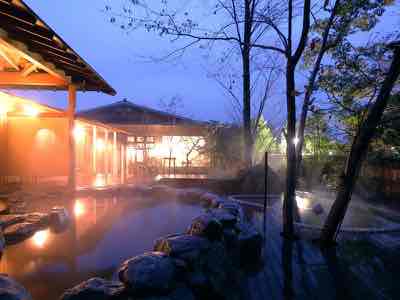
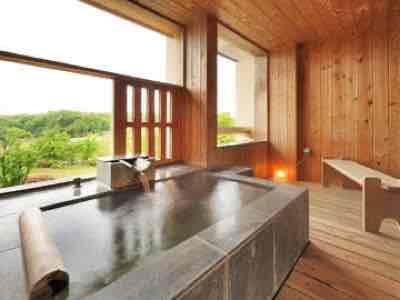
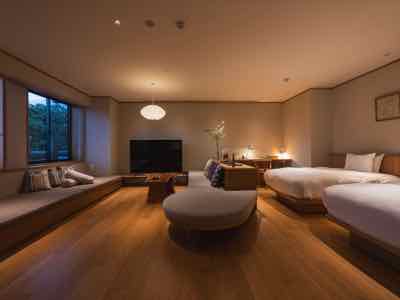
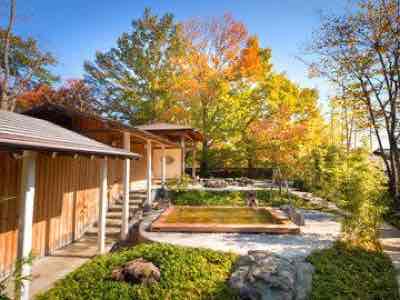
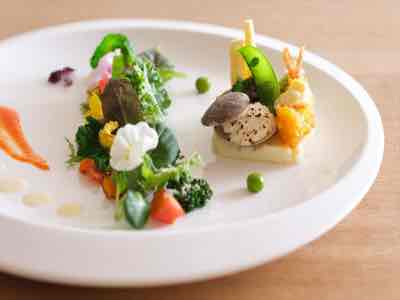
A new-ish, modern 8-room ryokan on Lake Suwa that KI-NRT has now stayed at three times and calls his go-to in the area, definitely the top luxury inn near Matsumoto, with excellent local-smelt kaiseki and a rooftop mixed-gender bath looking across the lake to the Alps. The rooms are the modest part, comfortable and functional but not opulent. It is a reliable anchor for the Matsumoto and Nakasendo corridor and not a destination in itself.
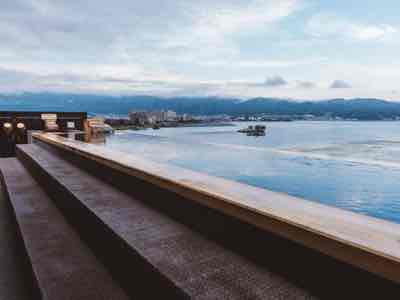
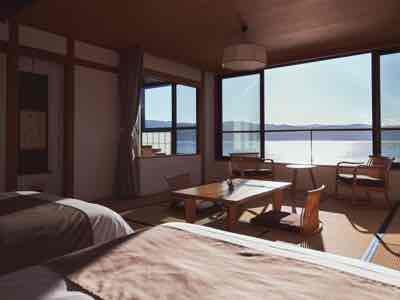
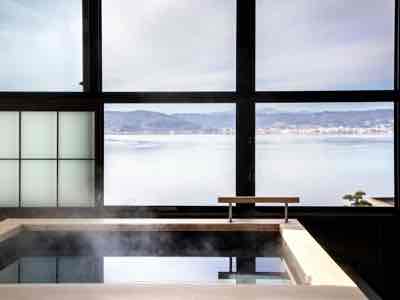
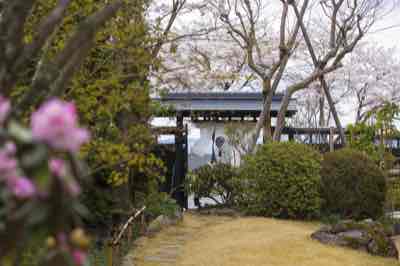
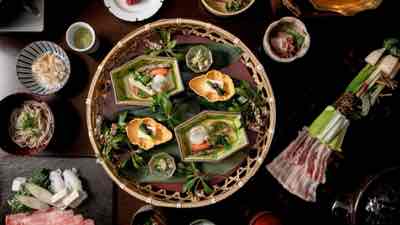
An eleven-suite modern ryokan opened in September 2025 in a forested valley on the Yukawa River outside Shiroishi, the flagship of the Ichijo family, twenty generations of innkeepers since 1428, with a private open-air onsen bath and a fully private dining room for every party. KI-NRT gives the kitchen the edge over its venerable neighbor Michinokuan, and the top suite ranks among the nicest modern ryokan rooms of his many stays; the one drawback is that it costs noticeably more than Michinokuan for comparable rooms.
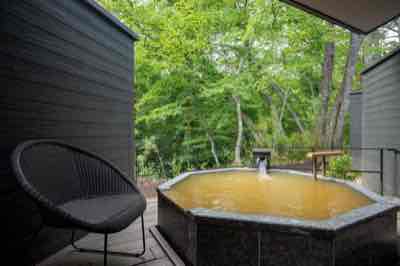
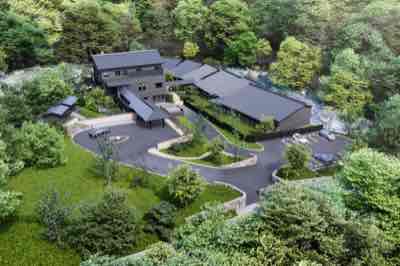
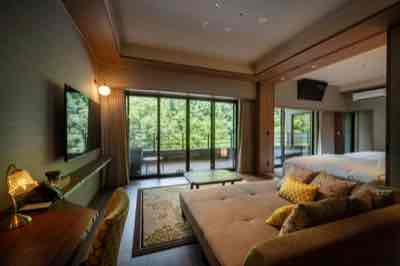
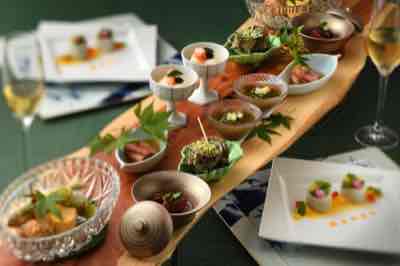
A 23-room inn from 1868 on the Tango Peninsula that exists for Taiza-gani, the 'phantom crab' that only five local boats bring in. The crab kaiseki is inventive and outstanding, the service is impeccable and the silk-art rooms are handsome. The onsen in the name is trucked, heated, chlorinated water with a noticeable chlorine smell in every bath, and KI-NRT says this is not the inn to book if bathing is a priority. The crab is why you go.
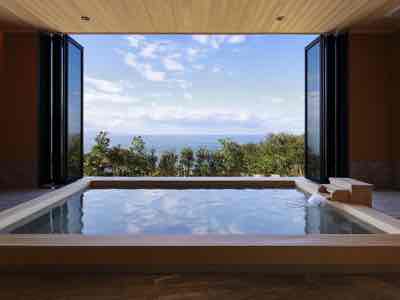
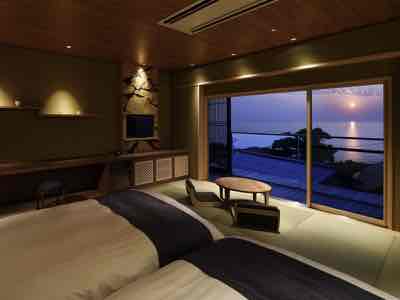
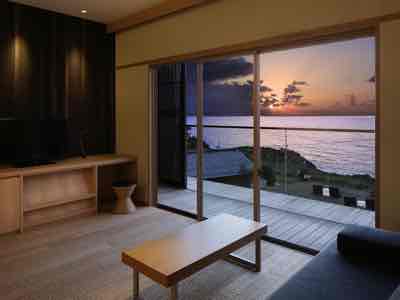
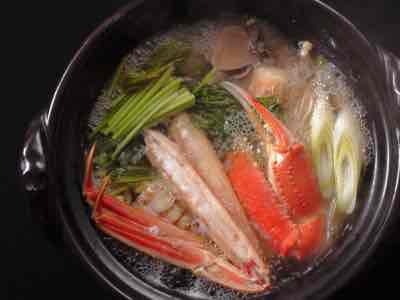
Tsukihitei is a five-room 1902 hideaway inside Nara's primeval forest, rescued from datedness by the Miyako Hotel Group's 2023–25 renovations, and it is now KI-NRT's clear answer to where luxury travelers should sleep in Nara, with first-rate creative kaiseki and a superb rebuilt villa in a setting nothing nearby matches. There is no onsen, and only the three refurbished rooms deliver the full experience.
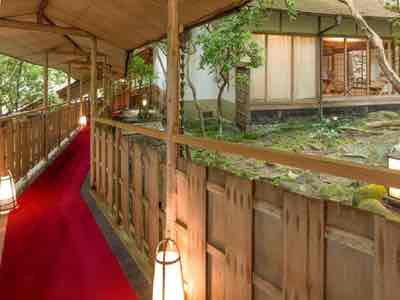
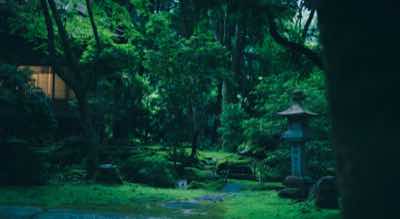
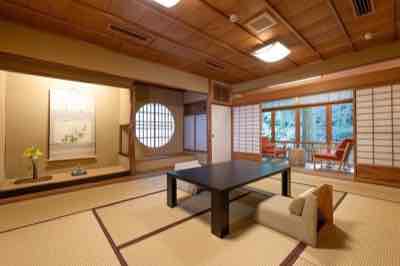
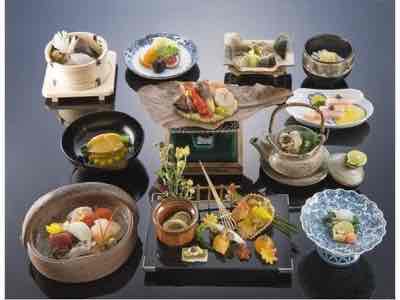
Suzukane is a corporate-owned ryokan in the center of Bandai Atami run by a former wedding coordinator, with a full suit of knight's armor at the entrance, and the reasons to stay are the food, the warmth of the staff and the big renovated rooms with source-fed in-room onsen. KI-NRT loved it and regretted nothing, but was plain that nearby Atamiso is on a slightly higher plane, because Suzukane is in town with only a courtyard for outdoor space and its dining is half-private. It is the one to pick when creativity at the table matters more to you than the view out the window.
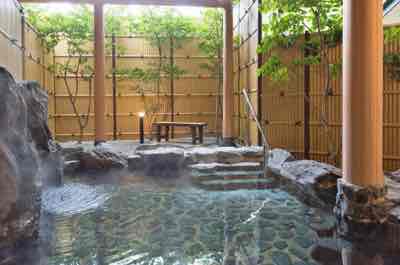
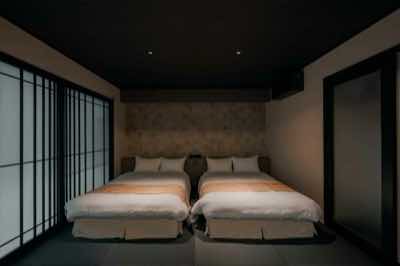
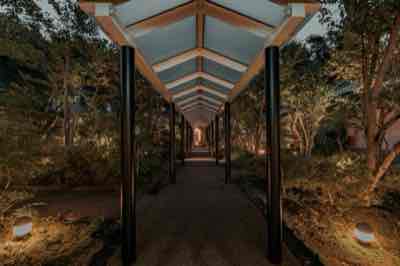
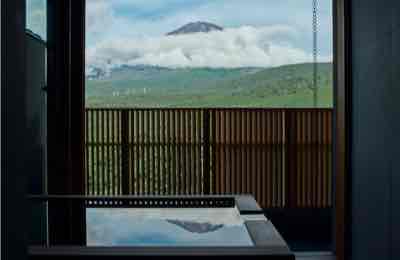
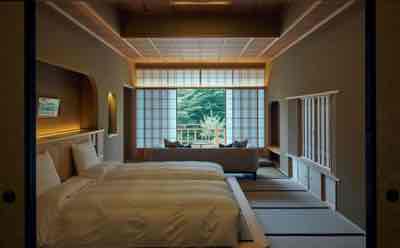
Gora Kadan opened its second-ever property in July 2025, a 42-room ryokan-hotel hybrid facing Fuji and big enough for a gym, a pool and three dining rooms. The one guest who has written it up found the stay exceeded his expectations and immediately rebooked a villa; KI-NRT, who has not stayed, expects at worst a Hoshino resort done right, and a 2026 guest called that very accurate. Only the Open-air Bath Suites and up have spring water in the room, so check the room grade before booking, and book the sushi or teppanyaki counter over the included kaiseki.
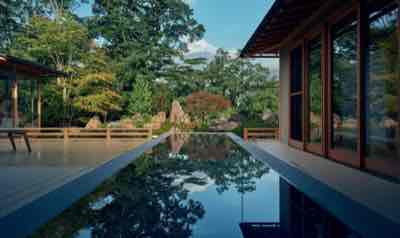
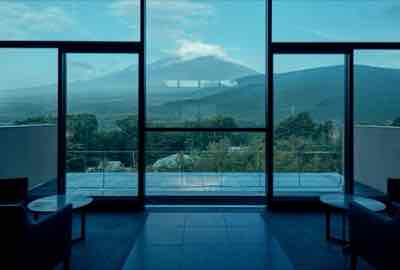
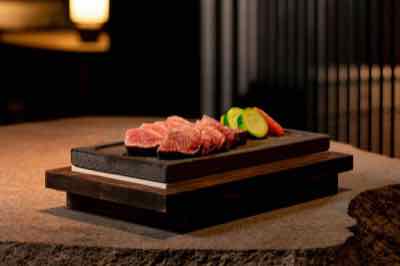
A 10-room crab ryokan that opened in 2021 in Kaike Onsen, with modern hardware built to a very high quality, all-suite rooms on the area's saltwater spring and service Fc912 called pretty perfect, but the crab itself ranked below Nishimuraya and Bouyourou for the two parties who tried it, at roughly double Nishimuraya's per-person rate. The building and the rare water justify a stay; if the Matsuba-gani course is what matters most, both reviewers point you elsewhere.
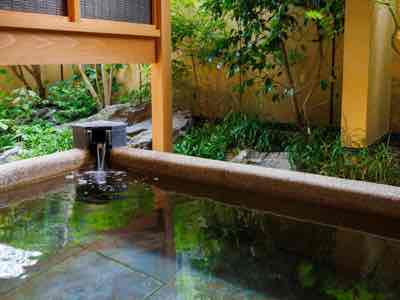
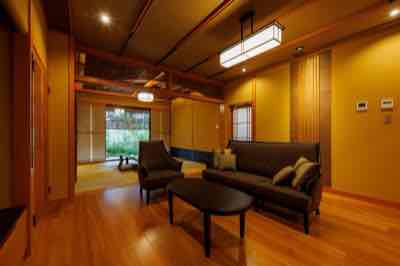
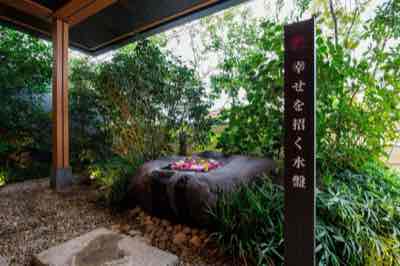
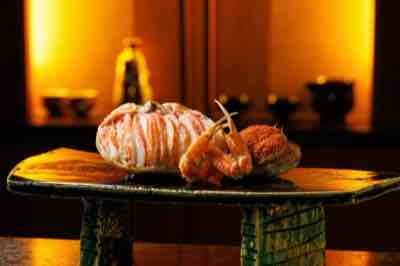
Bettei Amafuru Oka is a 15-room annex on a hill over Kagoshima Bay, the most upscale stay in Ibusuki, taking just four groups a day and grafted onto a half-dormant resort complex, but it has onsen in every room, the sunaburo-and-ceramic-spa circuit, warm Nepali-staffed hospitality and chef Kanemasa Matsumoto's serious French cooking. The bathing culture and the bay views make the stay, and the surrounding complex feels eerie, dated and underused.
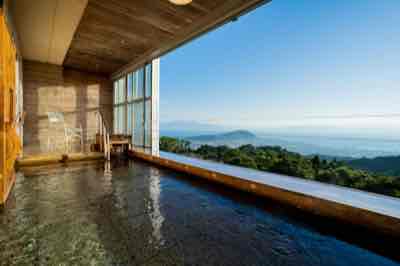
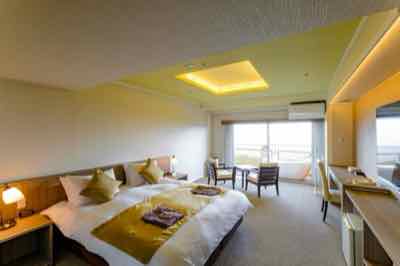
Fufu Kawaguchiko is the Fufu group's flagship, a modern, youthful hotel-ryokan hybrid that KI-NRT calls the only choice for luxury travelers in the Fuji Five Lakes, though a slight notch below Fufu Nikko in most aspects. Everyone likes it and nobody is blown away. His reservations center on the noisy, crowded dinner room and on service that is polished but impersonal for 32 rooms, and the famous view is partially blocked by trees. Book the highest floor you can, ideally one of the two top suites with the open-air onsen bath.
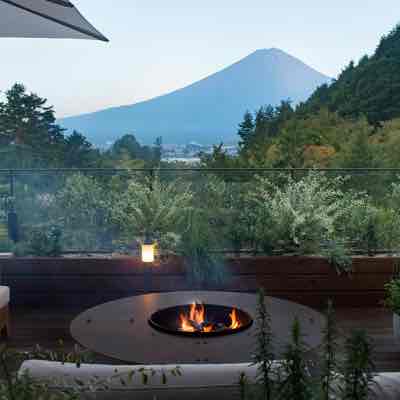
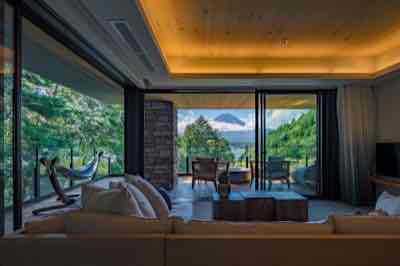
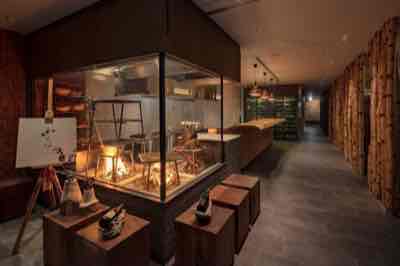
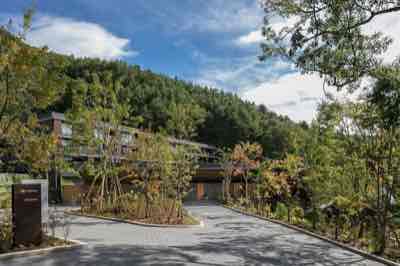
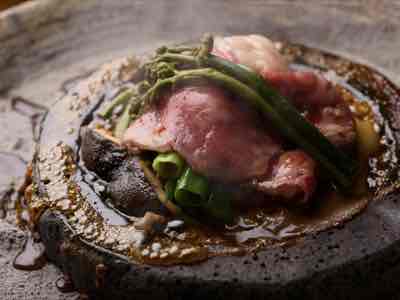
A 20-room hotel perched over Shikoku's remote Iya Valley that KI-NRT calls a great experience even though, as luxury ryokans go, it is on the lower end of the scale: the incredible gorge setting (astonishingly gorgeous in fall foliage season) and the cable-car ride down to the riverside baths on the valley floor more than make up for the minor shortcomings, and both the service and the kitchen impressed him more than he expected. He would return. Try for Tamayura (Room #505), the only room with an en-suite open-air onsen bath.
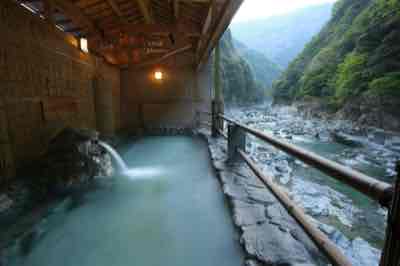
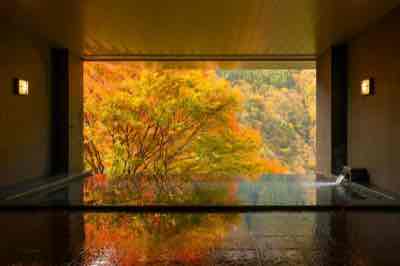
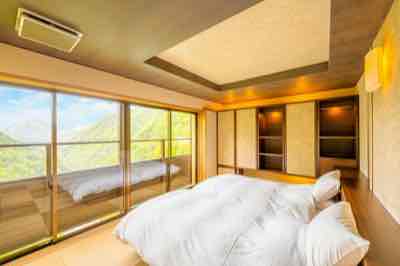
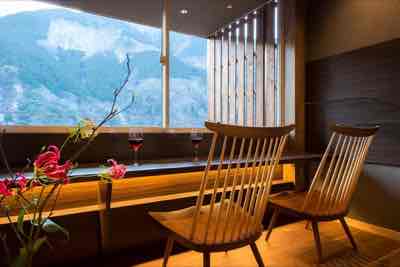
The 31-room luxury annex of the giant Kagaya, which KI-NRT calls the top ryokan in Wakura Onsen hands down, with museum-grade art in the public areas, gracious staff and fine Noto seafood. His December 2023 return did not live up to the fond memories of 2016, because the push-button in-room bath is a real flaw at this level, and he now places it a step below some of his other recent top luxury stays. For now the point is moot, because Matsunomidori is being demolished after the 2024 Noto quake and Kagaya is consolidating it into a new building of about 40 rooms due at the end of FY2027.
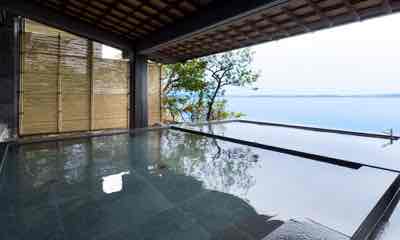
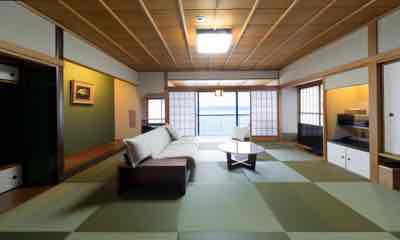
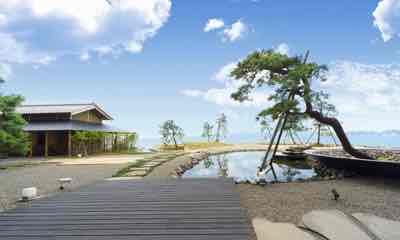
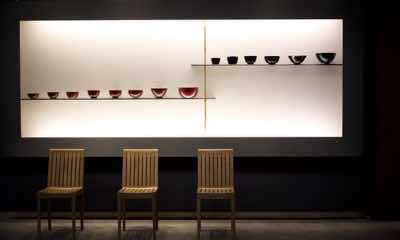
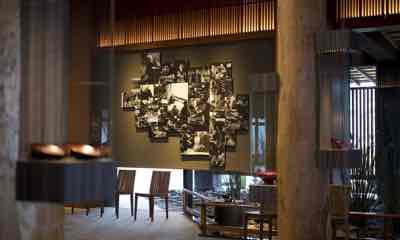
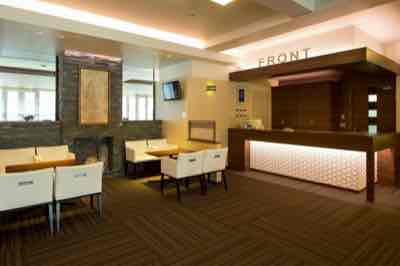
A 47-room adults-only inn from 1868 in the heart of Arima Onsen, run as a polished hybrid hotel with carpeted halls, a public cafe and a gift shop, and nothing like an intimate ryokan. Its 2023-renovated VIP rooms have their own Kinsen and Ginsen stone baths, a twin-water combination no one else in town offers, and in one of those rooms KI-NRT calls it possibly the best choice in Arima. Across two visits a decade apart his verdict is warm but measured, a solid luxury pick when you are already in Kansai, though he is not sure he would go out of his way for Arima.
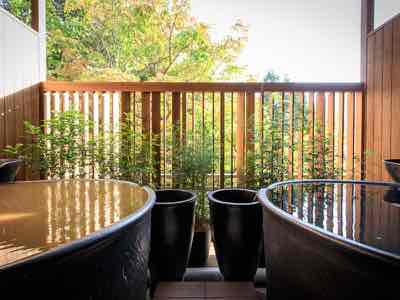
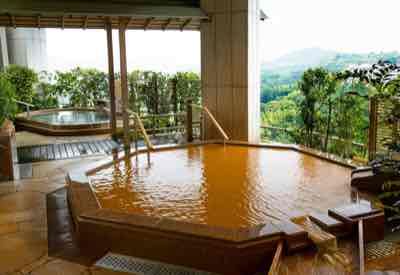
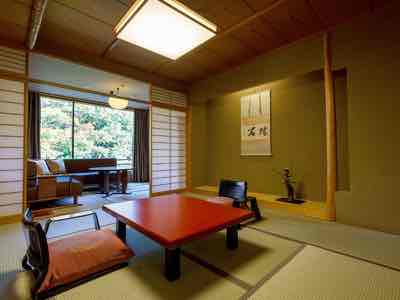
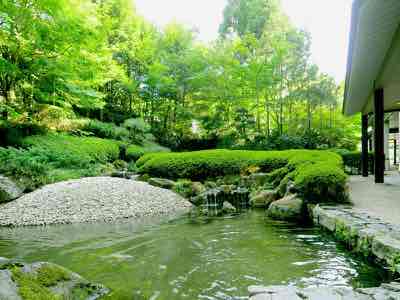
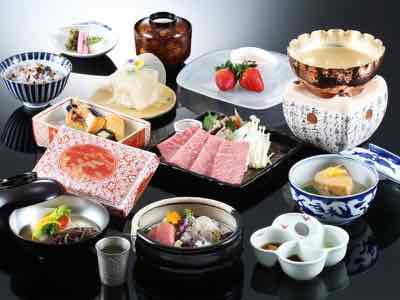
A 19-room inn in Karatsu, Saga, formed in 1893, with museum-grade Meiji-era architecture, a magnificent old-pine garden, a Karatsu pottery gallery and excellent in-room kaiseki from the local catch, at prices near the very bottom of the high-end range. The retired chairman lives on site and will happily host guests for hours in good English. KI-NRT calls it one of his most authentic ryokan stays ever, and Michaeljinnyc pronounced it sublime. The one drawback is that there is no onsen anywhere on site.
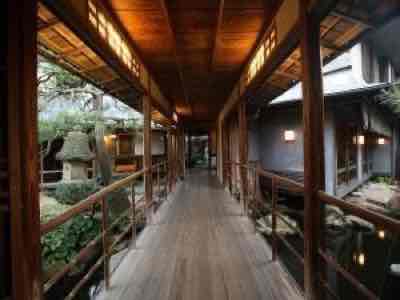
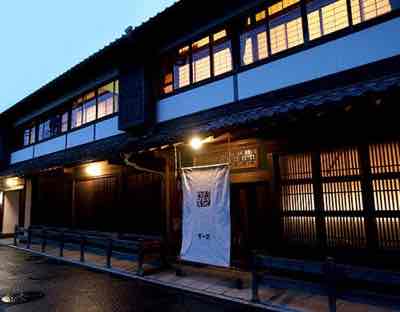
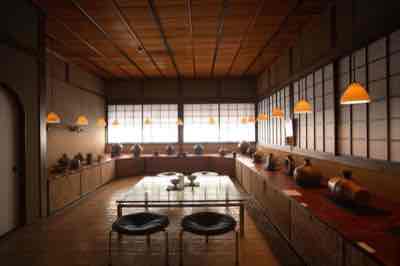
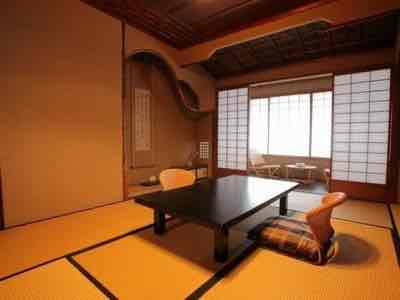
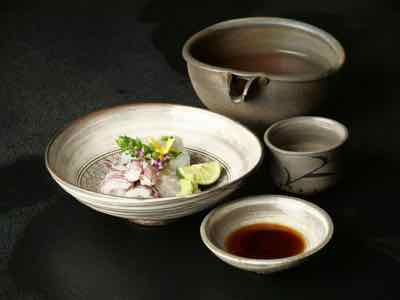
Zaborin has been Niseko's established luxury ryokan since 2015, with fantastic hardware, two onsen baths in every room and a loyal following, and the three guests who reviewed it here enjoyed it, one calling it a contender for KI-NRT's top ten. But the food and service reports have turned mixed, founder Shouya Grigg now calls neighbouring Shiguchi the ryokan he always wanted to make, and the most recent visitor, who did both back-to-back, would give a single Niseko night to Shiguchi.
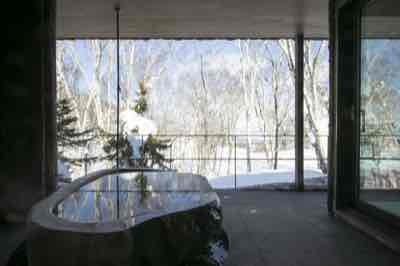
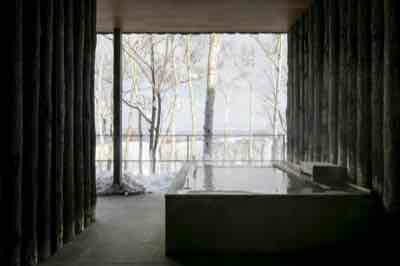
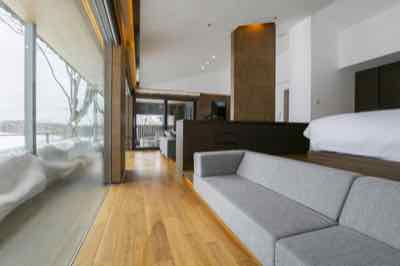
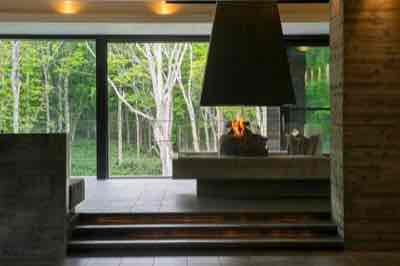
A 25-room ryokan that is the top (and probably only) luxury option on Lake Akan, with terrific Hokkaido kaiseki, a free-flowing onsen bath in every room and an interesting corner of eastern Hokkaido with Ainu culture and marimo on the doorstep. Service is the weak point, corporate and unpolished on both stays in the thread. KI-NRT called it a great, memorable stay, though two years later he summed it up as really nice, with nothing that knocked their socks off.
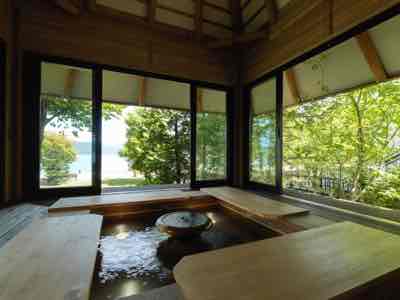
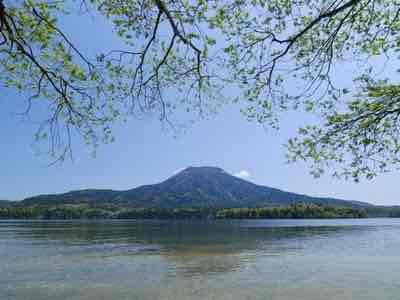
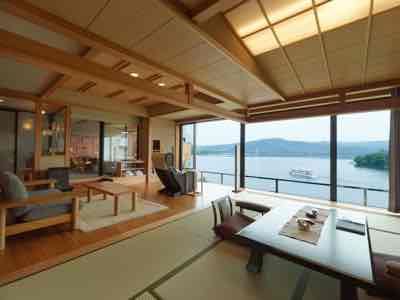
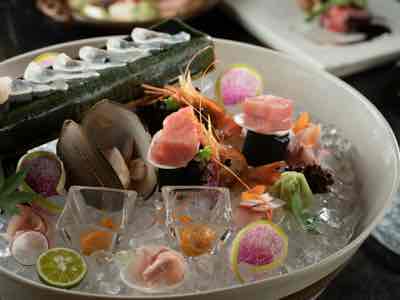
A 16-suite auberge above the Kano River whose French-Japanese kitchen KI-NRT ranks with the best restaurants of Tokyo and Paris. Everything else trails the food, since the rooms are comfortable but dated, and an October 2025 guest found the room tired and the service transactional. With Asaba fifteen minutes away, it works best as a one-night fusion interlude between traditional ryokans, and KI-NRT is not sure it is worth going out of your way for on its own.
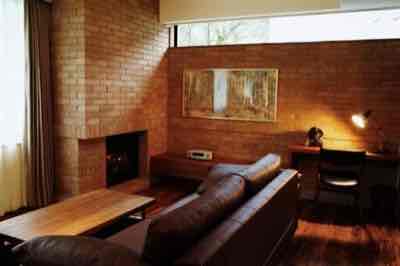
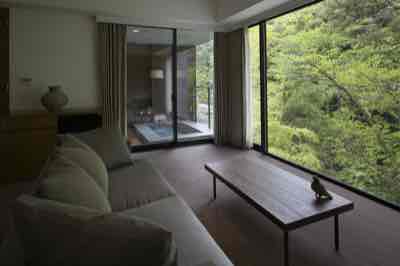
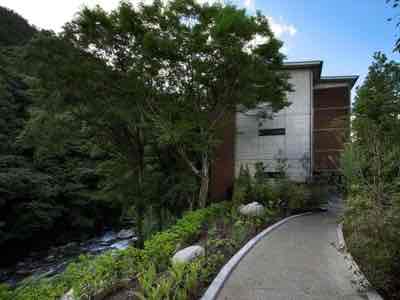
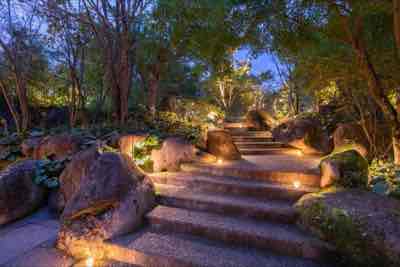
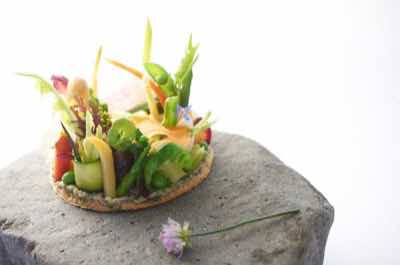
A 19-room inn five minutes' walk from Dogo Onsen Honkan, built in 2015 with a classic look but a fresh, modern feel, and KI-NRT calls it far and away the top luxury option in the town. Every room has its own open-air onsen fed by the same spring as the Honkan, and an Iyo beef shabu-shabu hot pot stood out in a delicious kaiseki dinner. He still routes Shikoku itineraries through it years later, as the base for a Matsuyama swing, though he does not treat it as a destination in itself.
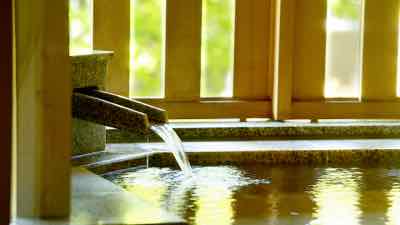
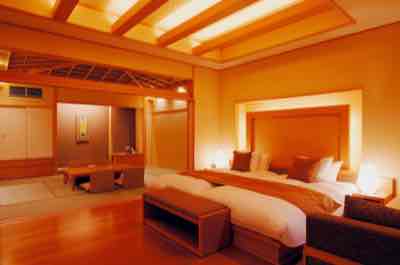
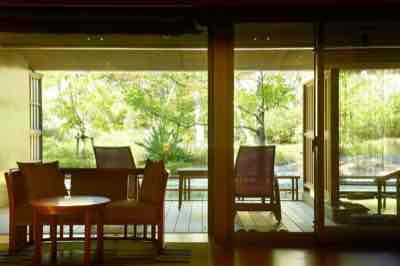
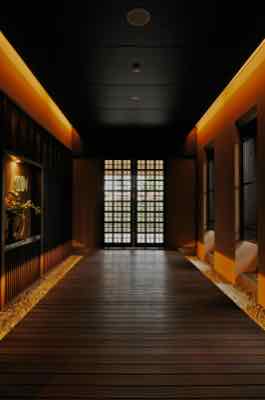
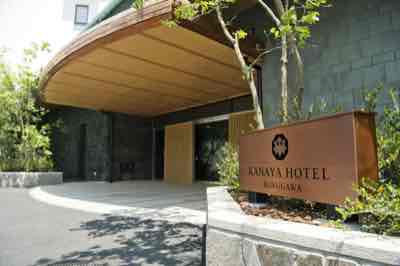
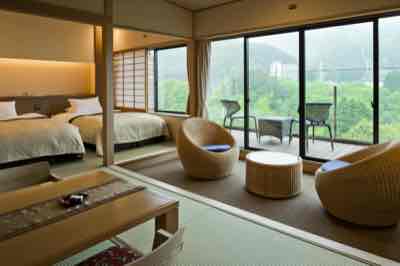
Kinugawa Kanaya is a 41-room hotel billed as Japan's first Western-style luxury establishment, with shoes-on hotel formality, optional meals and a photogenic garden in Kinugawa Onsen near Nikko. KI-NRT put the kaiseki among the top five meals he has had at any top-flight hotel or ryokan in Japan, names the hotel among the few luxury ryokans with a teppanyaki table, and felt the service was perfect. He still gave it four stars rather than five, because the rooms run small for the exorbitant price and he would only maybe return, and that is what keeps the hotel from being an all-time great.
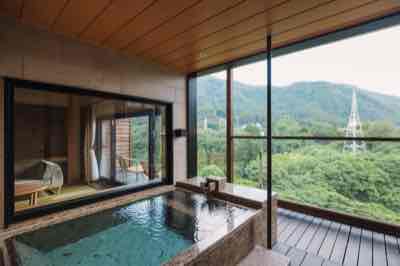
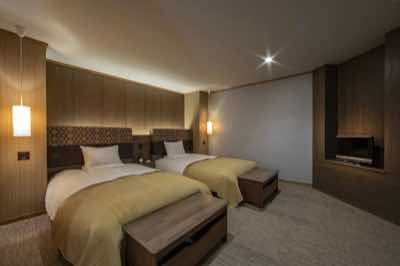
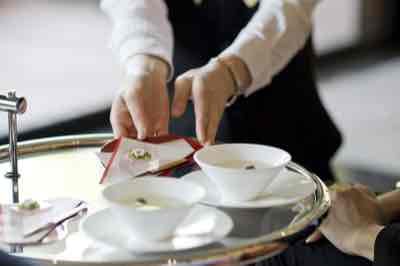
A 19-room modern retreat in Asarigawa Onsen, Otaru's only hot-spring village, five linked buildings along the Asarigawa river with a private onsen in every room. The one FlyerTalk account, an August 2025 stay before a 2026 renewal, calls the dinner, the breakfast and the river-view soaking tub excellent. Ikyu's crowd has been more mixed since then, with the bath their highest mark at 4.22 but food (3.55) and satisfaction (3.78) noticeably cooler and recurring complaints of dark rooms.
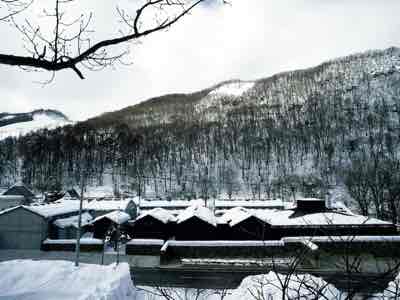
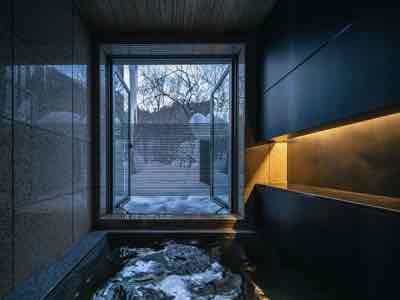
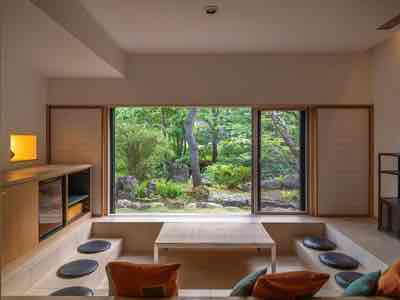
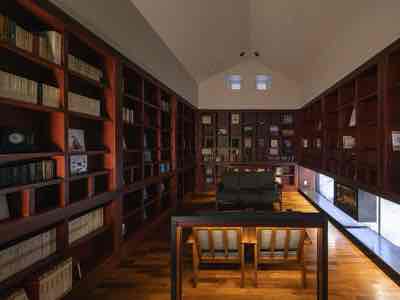
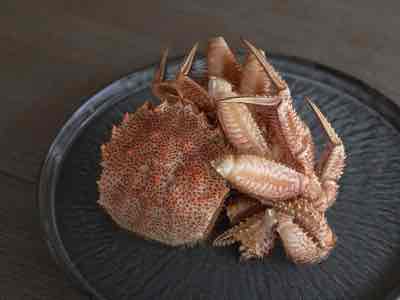
Osteria Sincerità is a three-room auberge ryokan on a town-centre lot in Akayu Onsen, built around chef Makoto Harada's Italian-Japanese counter cuisine and an undiluted source-fed cypress bath in every villa, 50 meters from its sister inn Yamagata The Takinami. There is no view and no garden, and KI-NRT considers the two-storey rooms more rustic-artistic than pure luxury, but the food is what brings people here, cooked from Yamagata's own ingredients by a chef who held a Michelin star in Niigata. It makes most sense as one night of a two-inn Akayu split.
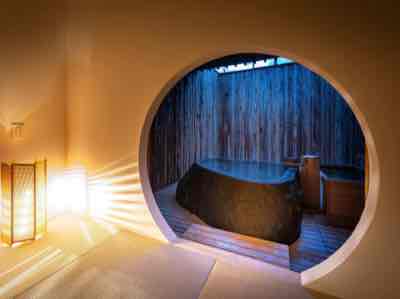
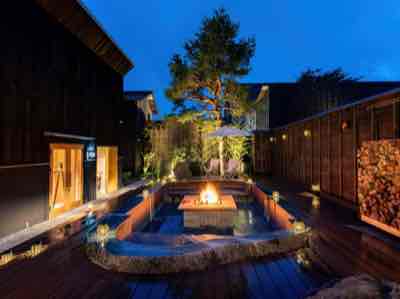
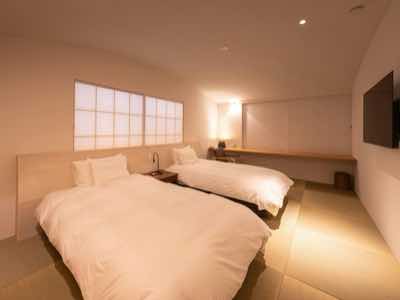
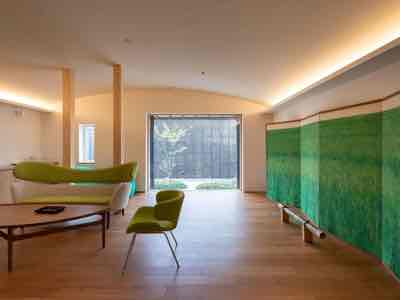
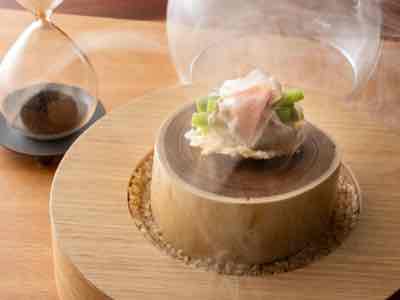
A sleek modern Fufu resort in Nara with in-room open-air onsen even in the base rooms, and a restaurant set in a historic tea-house garden a shuttled five-minute walk downhill. Two member stays in late 2025 loved it outright, and one guest's five-out-of-five verdict put it among the top Fufu hotels, just below Nikko, on the strength of its service. KI-NRT has never reviewed a stay here and calls it hotel-like and corporate next to Tsukihitei's intimacy, so expect polish and comfort over old-Japan atmosphere.
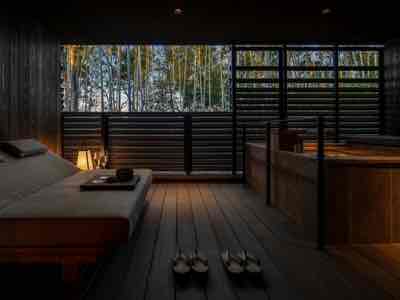
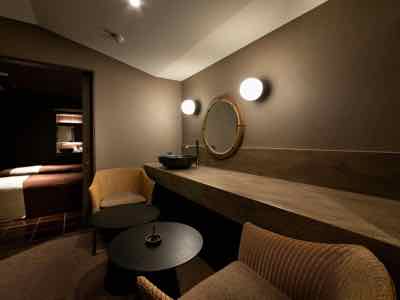
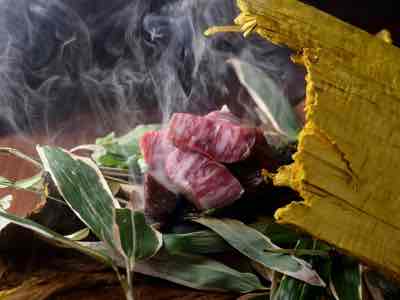
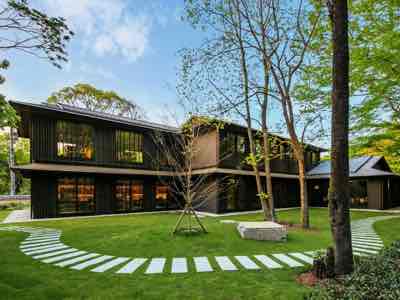
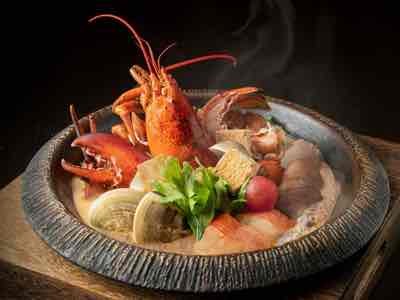
A historic Nagano inn with 240 years of pedigree and many repeat guests, which added two fresh, spacious suites in 2022 with source-fed onsen baths, so you can stay at a famous old ryokan without giving up comfort. The nakai service is stellar and the kitchen is creative with local produce. KI-NRT gladly drove the extra half hour for the experience and still recommends it in 2026, but says one night is enough unless you have a car, since off-season Yamada Onsen offers next to nothing.
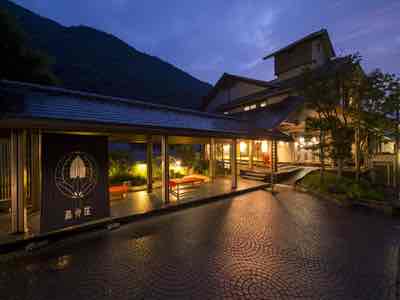
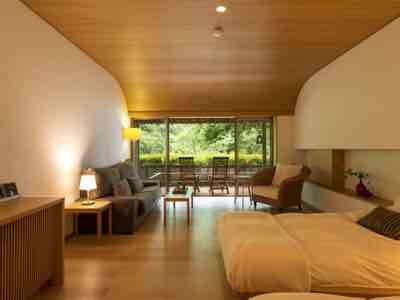
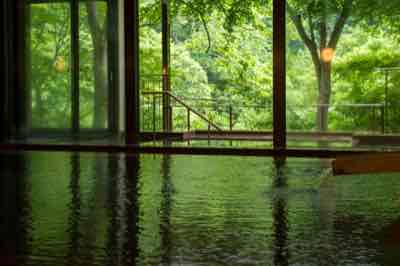
An eight-villa contemporary onsen ryokan (2008) at the foot of the Kirishima mountains that delivered almost everything KI-NRT hoped for: standalone villas, private dining rooms and slick source-fed water that he singled out for special mention. The one blemish was the policy of charging 440 yen for each extra bath towel, and a manager who simply said that two per guest is generally sufficient, which was enough that he would almost certainly pick Myoken Ishiharaso or Wasure no Sato Gajoen over a return visit, so it sits just under the region's established inns despite the quality of the stay.
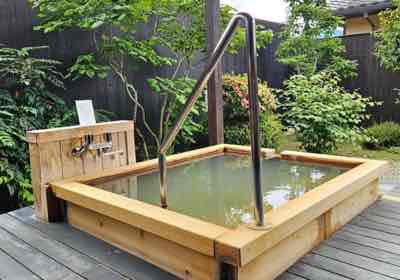
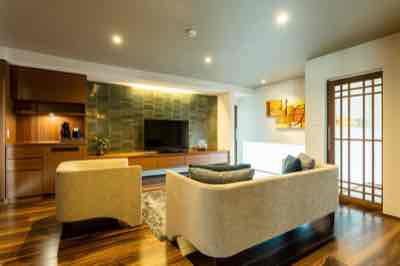
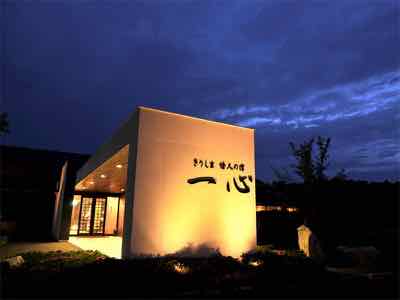
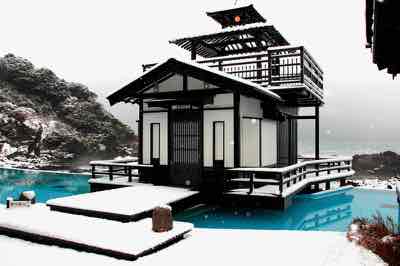
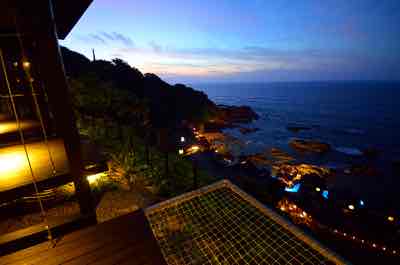
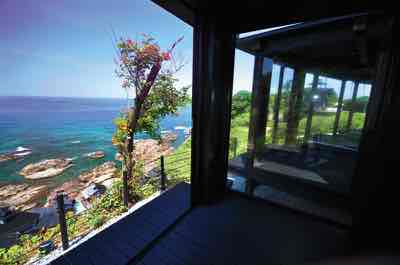
A 14-room ryokan of old Japanese buildings in a cliffside alcove at the very tip of the Noto Peninsula, built around a long pool that runs between the buildings and the sea. KI-NRT calls it unlike any other ryokan he has stayed in, with top notch food and aged buildings that are in very good shape while still exuding rustic charm, though he says it is not Gora Kadan, Ginyu or Beniya Mukayu. The January 2024 Noto earthquake left only minor damage, but the inn was last reported closed pending structural inspections and power, so check that it has reopened before you plan around it.
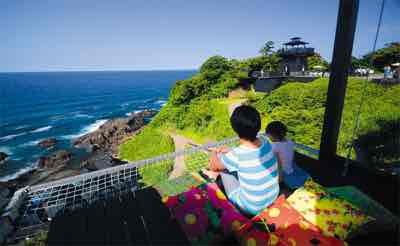
A one-party kominka retreat in sacred Yoshino that offers the widest range of traditional Japanese activities KI-NRT has seen anywhere: Noh, geisha, tea ceremony, calligraphy, river fishing, and a full Shogun experience with an Osaka action cast. He calls it one-of-a-kind and a must-visit for private cultural immersion, and he is certain to return. That verdict puts it higher than the lodging alone would, since the beddings trail the top houses and the baths are heated water with no onsen.
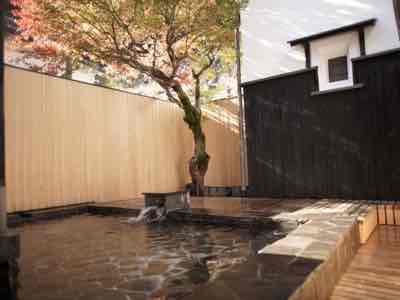
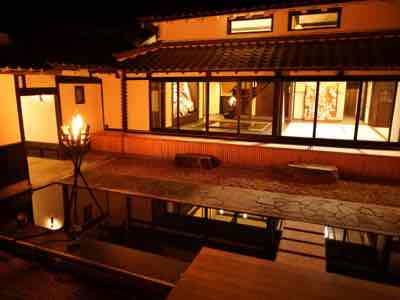
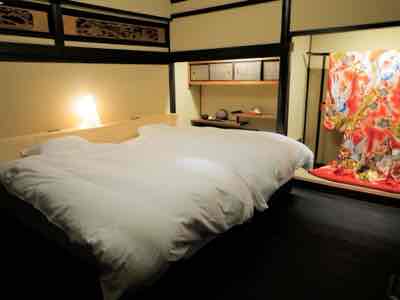
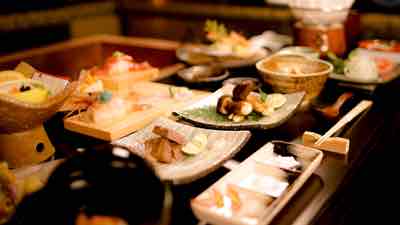
A nine-room ryokan from 1985 near Shiroishi Castle that doesn't scream opulent luxury and doesn't need to, because it is wrapped in forest, serves both meals in the room, cooks delectable local food and is elegantly staffed. KI-NRT would return without hesitation, but only for one of the three suites with in-room onsen, ideally the top Akebono suite, renovated in 2024, because the six standard rooms share the communal baths and miss the point.
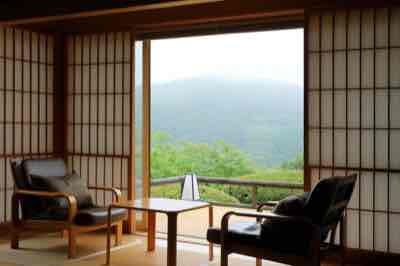
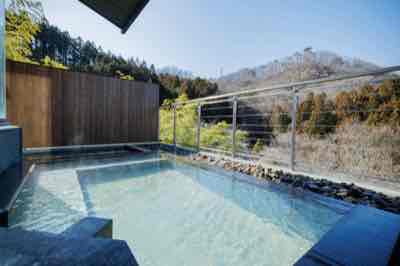
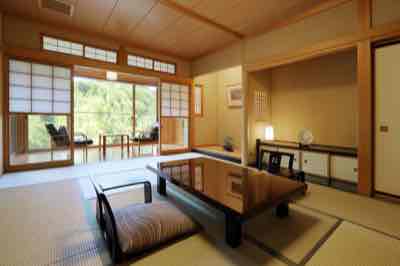
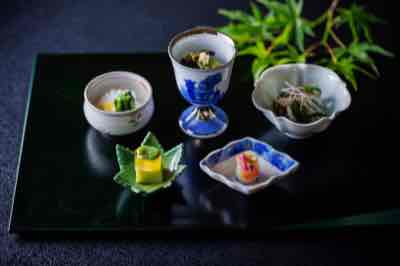
A modern rural-Japanese onsen ryokan perched over the Hokigawa River in Nasushiobara, remote enough that most guests come purely for the springs, the food and the hospitality. The river is the attraction, with two large private rock baths on its bank and an open-air onsen on the top suite's balcony, and the kaiseki is careful and prettily plated. KI-NRT found the stay unexpectedly compelling, while an earlier visitor thought it solid but not distinctive enough to return to, and the spring water itself is honest but unremarkable.
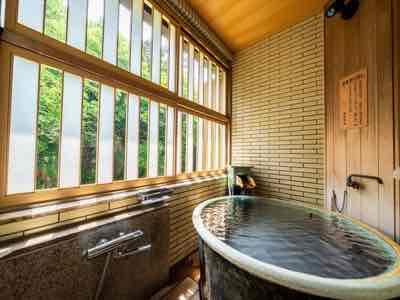
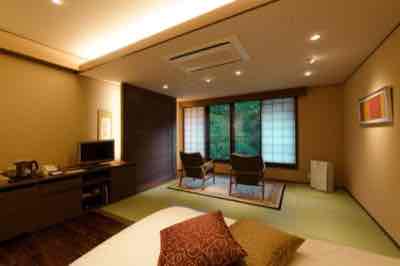
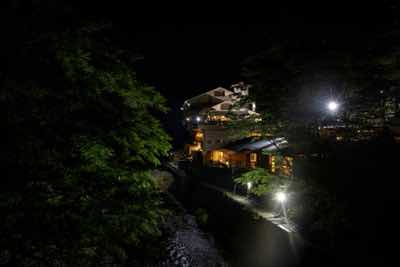
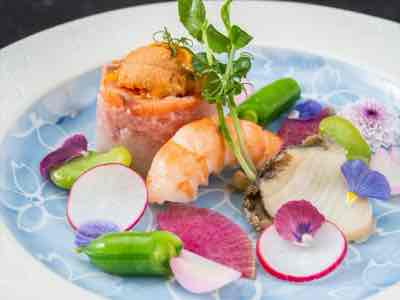
Yusura is a five-villa auberge near Ise Jingu, opened in 2018, with standalone rooms around a saltwater pond, each with an open-air bath of Sakakibara spring water trucked in from 45 minutes away, and a kaiseki kitchen led by a Kitcho-trained chef. Service is the standout, a gracious proprietress and a team wonderful with every age, while the kitchen falls short of its pedigree and the Matsusaka beef was the biggest letdown. Five rooms make a full buyout easy, and KI-NRT calls the whole setup hard to beat, so he has already booked a return visit with the same group.
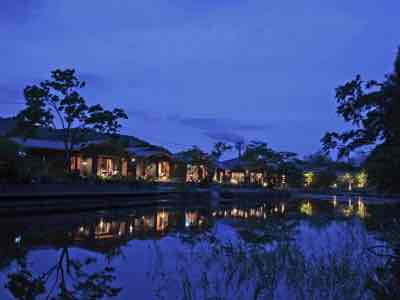
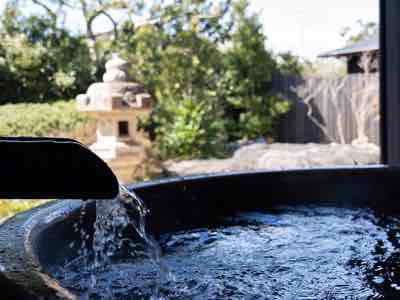
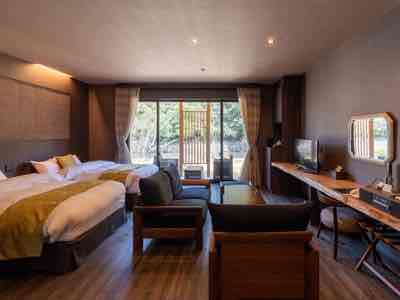
A ten-room, family-run classic that delivers the traditional ryokan feeling in spades (riverside seclusion, antiques in the hallways, dinner in a private room), and KI-NRT still calls it a tad overrated, because across repeat stays it never excelled at any one thing: the food is good but not great, the rooms decent and minimalist, and the service not quite as personalized as you would expect from so small a family-run house. It is a lovely, authentic first ryokan for a traditionalist, but it is not a destination in itself, and he says the same of the whole Kaga area.
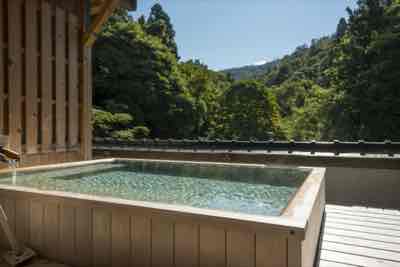
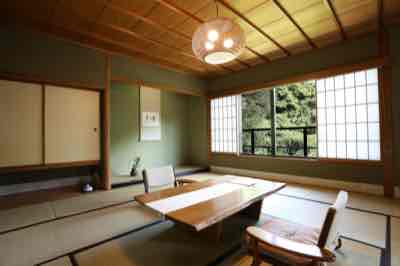
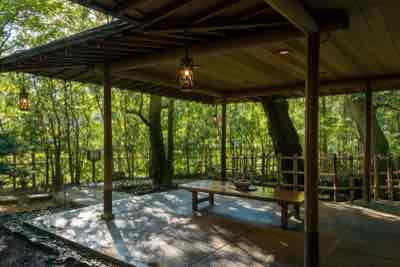
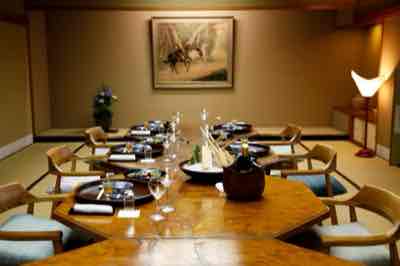
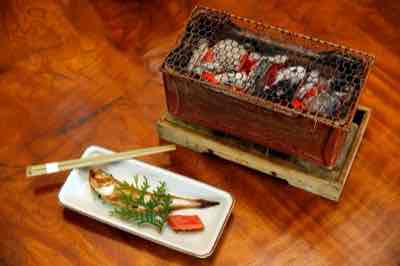
Suisen is a real, source-fed hot-spring ryokan in the Yunohana Onsen area of Kameoka, 30 minutes from Kyoto by direct train, with an open-air onsen bath on the balcony of every one of its 13 rooms and a kitchen good enough that breakfast matched dinner. KI-NRT was plain that it is not a destination ryokan like the ones in his top ten. Given its proximity to Kyoto, legit onsen and succulent cuisine, he calls it a great option for people who want to try a ryokan without the time or energy to go farther afield, and a screaming bargain by Kansai standards, unusually cheap for what it delivers.
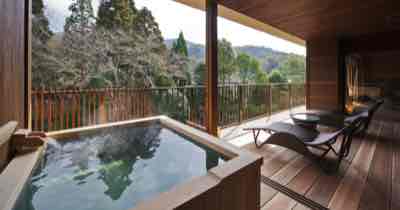
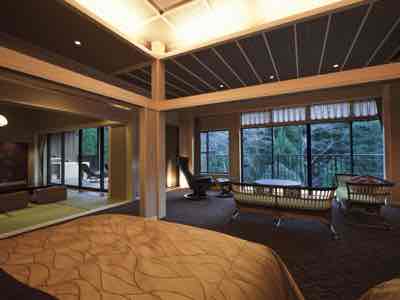
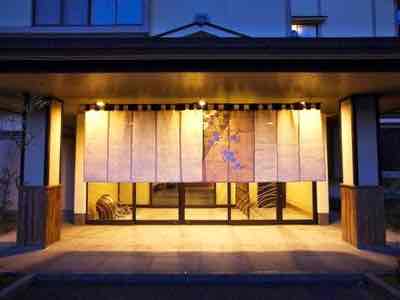
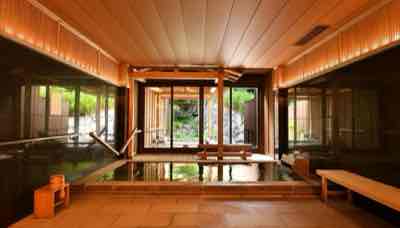
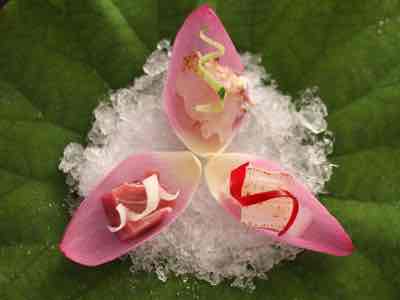
A design-forward ryokan in suburban Onomichi, with standalone-house rooms up to 81 square metres, an all-day lounge of complimentary sake, beer and whisky, and a Japanese-French dinner with a wine pairing. The one party to review it, ten people at Christmas 2025, called it a highlight of their trip, with immaculate rooms and extremely high-level service. At $540–650 a night it is toward the affordable end for this quality; the suburban location, with no famous sights nearby, is the drawback, and that one enthusiastic stay is the only account so far.
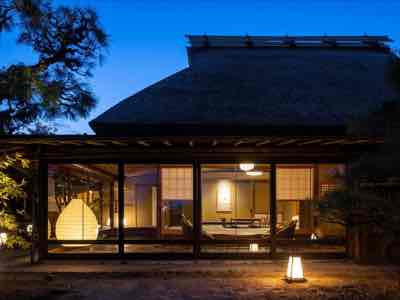
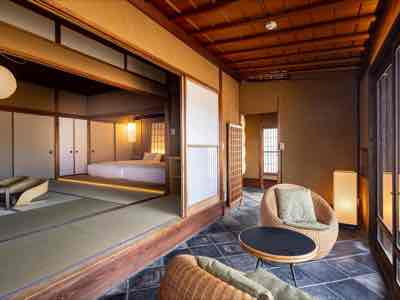
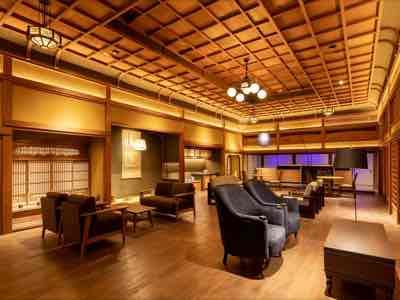
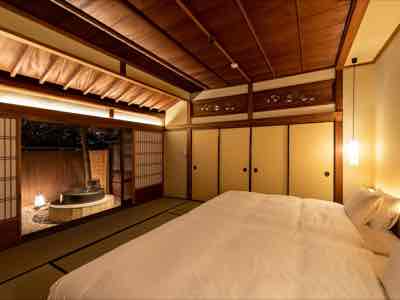
A nine-room cottage ryokan in remote Totsukawa, the highest-end base KI-NRT found within reach of Kumano Hongu Taisha, with fresh 2017 log cabins and a private open-air onsen he calls pure bliss, run by a loud, energetic and warm-spirited attendant. He says it is not on the same level as Gora Kadan or Wanosato, nor among the top five ryokans he has stayed at. Still, there were no service flaws to speak of, and it has a charm all its own. His stay came at the height of the pandemic in the fall of 2020, and he recommends it as a good luxury option for trekking part of the Kumano Kodo.
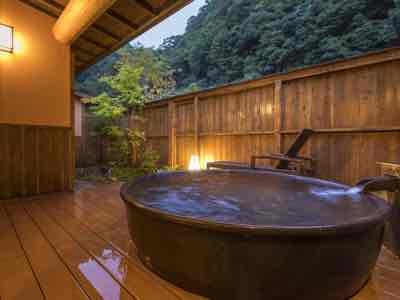
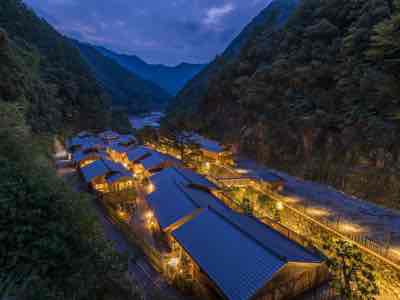
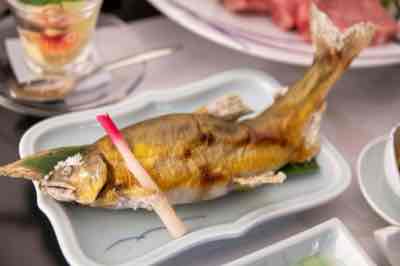
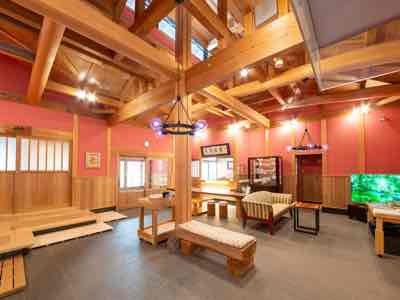
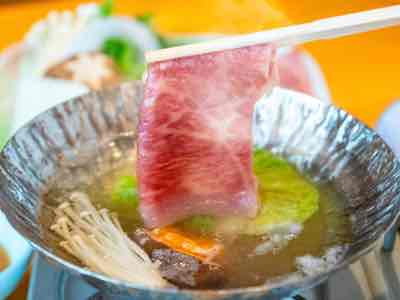
A 39-room modern-Japanese ryokan in Gora and one of KI-NRT's 'Hakone holy trinity', with polished omotenashi, meals served in the room and onsen baths in the first-floor rooms only. It 'just missed my top ten' for him in 2022 and is still 'always a solid choice' in 2025, but by then members were asking about the many negative reviews of its condition, and the one dedicated review is a scathing late-2023 member stay (furniture falling apart, room not clean, food just OK) that urges others to avoid it. The service and the architecture seem intact, and the worry is the aging fabric.
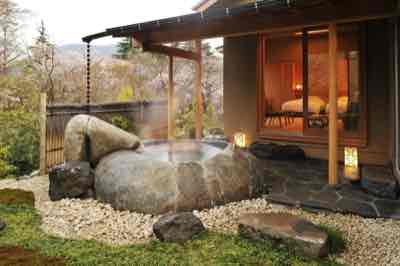
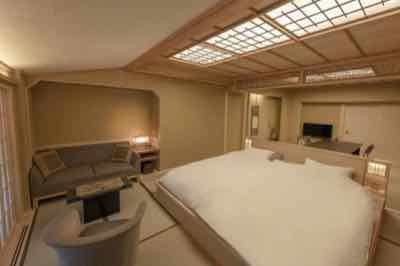
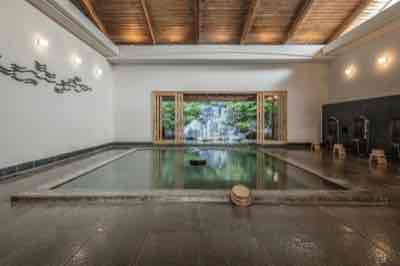
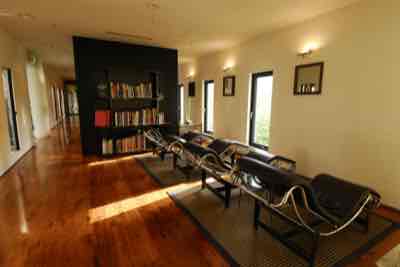
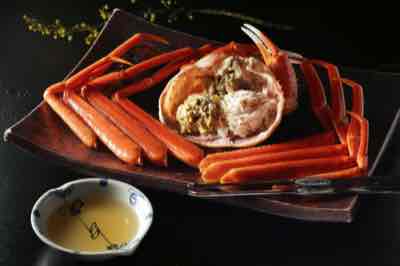
A winery-owned Koshu ryokan that gave KI-NRT a "fairy tale-like" stay, with mesmerizing pond-and-garden grounds and glorious bathing, let down by middling cha-kaiseki, the one flaw he wished away. Both reviewers agree the magic lives in the Kotogawa and Tsuzumigawa suites, and in a lesser room it is a different inn. At $450–650 a night it is near the bottom of this collection's range, which makes the food an easy flaw to accept.
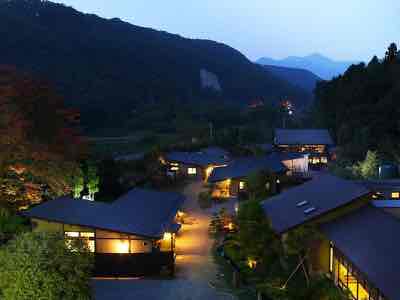
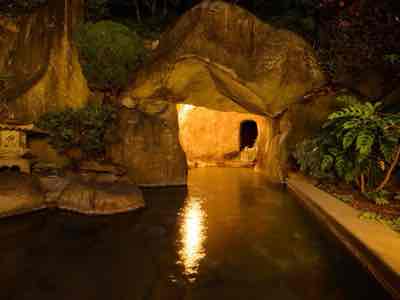
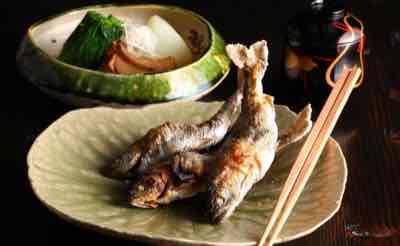
Kumano Bettei Nakanoshima is an island ryokan off Nachikatsuura, a five-minute boat ride from shore and the only luxury option near Kumano Nachi Taisha and Nachi Falls, built around a seaside onsen that KI-NRT calls really nice and, at its best, spectacular and mystical. Ultra-fresh Katsuura seafood and personable service are real strengths, but only one of the 44 rooms has an in-room onsen and the view is partly marred by oil tanks across the strait. KI-NRT calls it a good, relaxing base for exploring the area, and says to book Kihinshitsu, the top room, if you can.
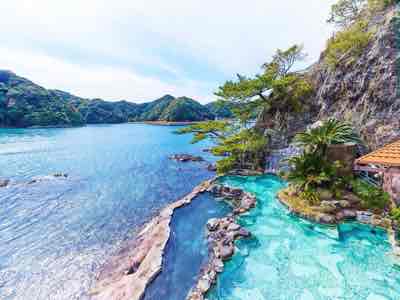
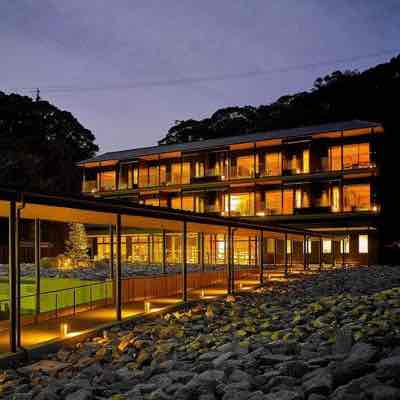
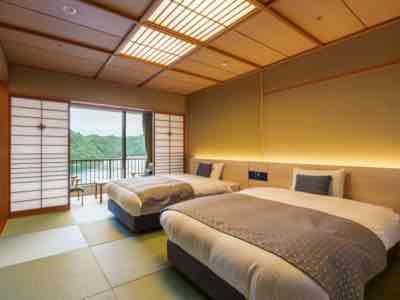
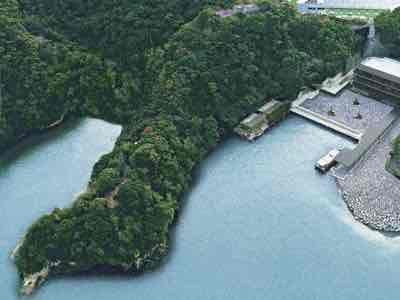
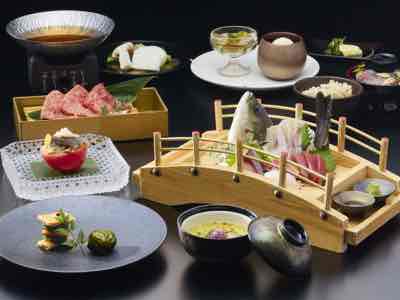
A 15-room contemporary-Western property above Amakusa bay, closer to a hotel than a ryokan, that KI-NRT found outstanding overall in 2021: incredible Italian-leaning cuisine, first-rate service and mesmerizing island-sea views, let down only by a dated build and no onsen. He would only maybe return, because the same owners opened Amanojyaku in 2023, which he expects 'likely outshines it in every way,' and that is where he now points people.
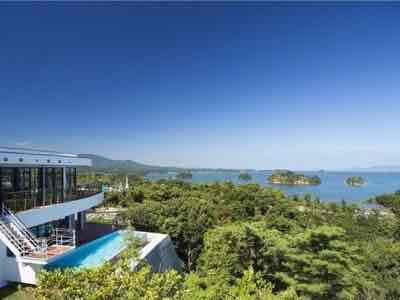
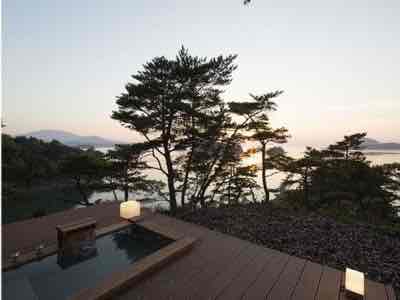
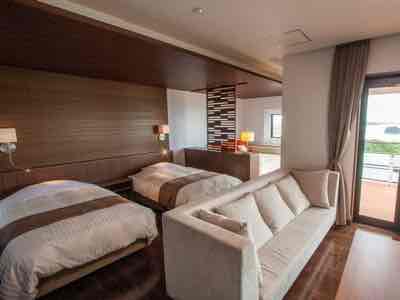
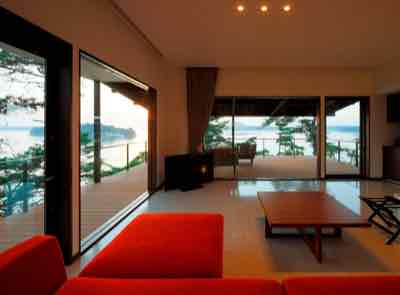
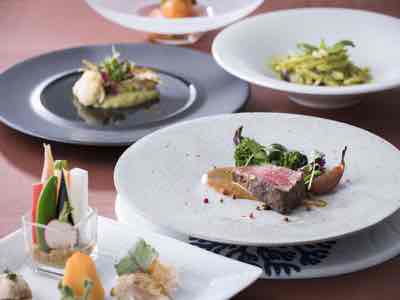
A 28-room modern onsen resort in rural Kagawa whose one extraordinary asset is a vast, exuberant bathing complex, the place KI-NRT calls the Disneyland of onsens, and the rooms have private outdoor onsen of their own besides. Rooms are new, cosy and very well kept, the service warm and the food decent, and at roughly 40,000 yen a head it is among the cheapest nights in this company. It is an onsen destination before it is a luxury one.
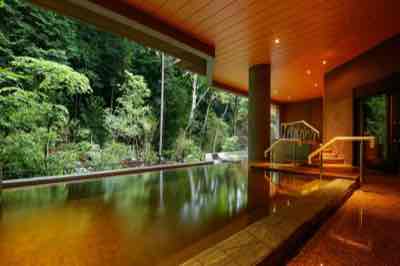
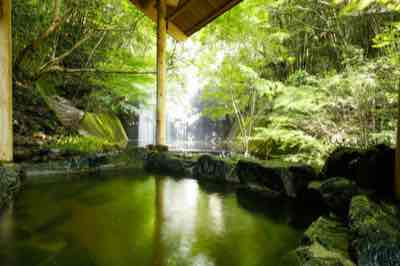
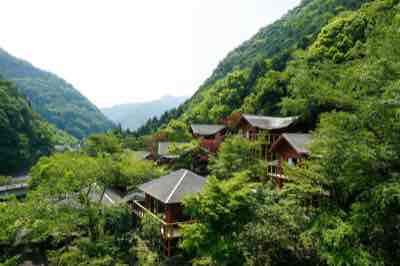
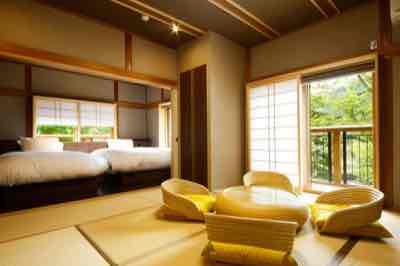
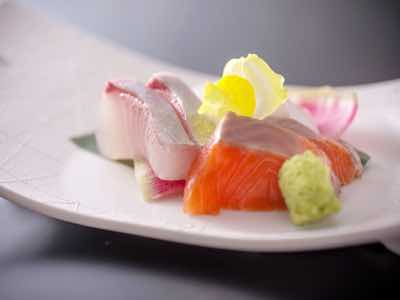
A restored two-room former tatami shop on Omihachiman's canal, and a strong argument for staying the night in a town most visitors day-trip from Kyoto. The stepping-back-in-time setting and the straw-grilled Omi beef are the strengths, but the service was reserved and sometimes brusque and the bathing is in-room tubs only, which makes this a fine night out of Kyoto and no more than that. Book Ki-no-ma, which KI-NRT calls the clear winner of the two rooms.
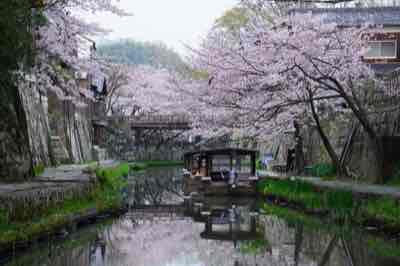
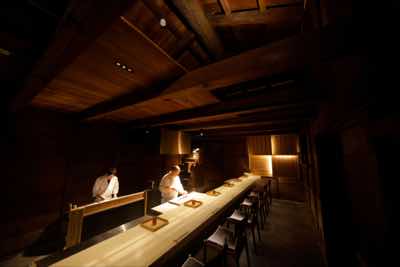
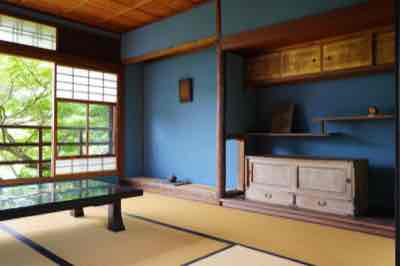
Ryokan Suiranrou is the flagship of Hitoyoshi Onsen and the birthplace of the town's hot-spring culture, largely destroyed by Kumagawa River flooding and rebuilt in 2021 as a clean, modern 30-room inn. KI-NRT would not rank it among Japan's most luxurious ryokans, and he calls it exceptional value and a memorable onsen experience, with three distinct springs making up for décor that cuts corners. He found it a rewarding overnight for anyone routing through southern Kumamoto, though not a destination in itself.
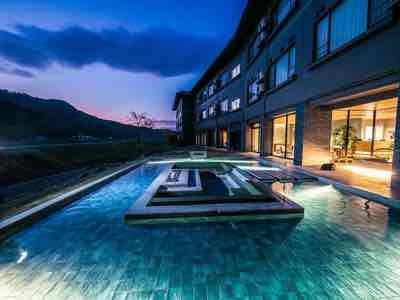
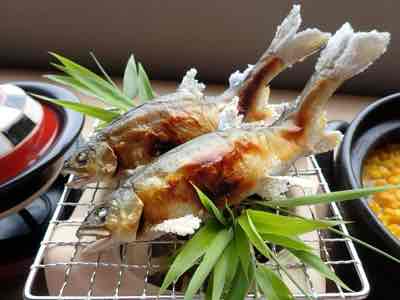
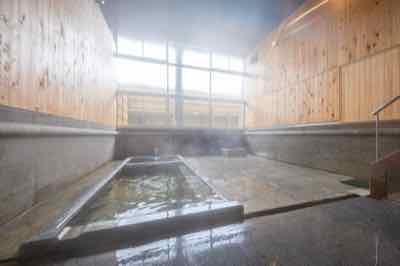
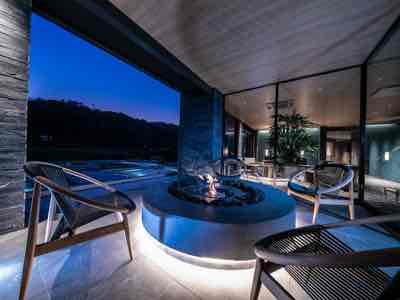
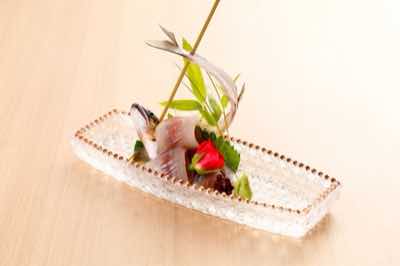
Takayamaso Hanano is a family-run inn in Arima, Japan's oldest hot-spring town, and its flagship room, the 100 m² Oyama Renge suite rebuilt in 2025 with its own kinsen and ginsen baths and a panoramic view over the town, approaches true luxury. KI-NRT came with modest expectations and left won over: the stay was quiet, comfortable and memorable, and the cooking was better than the house's station suggests. Only the top rooms are this good, and the entry level is plain. At $360–550 a night the suite is a bargain.
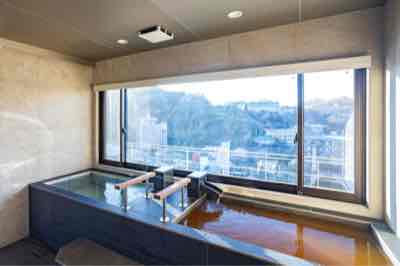
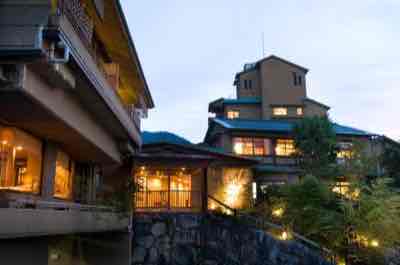
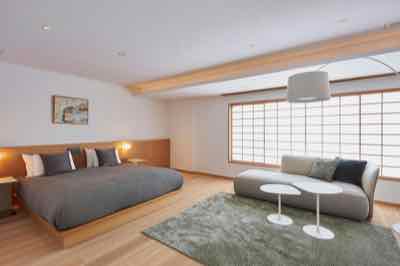
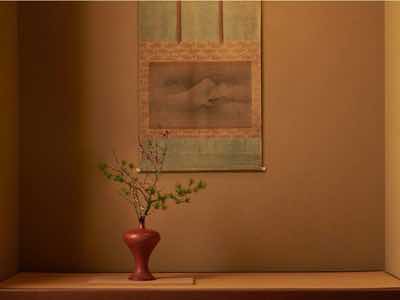
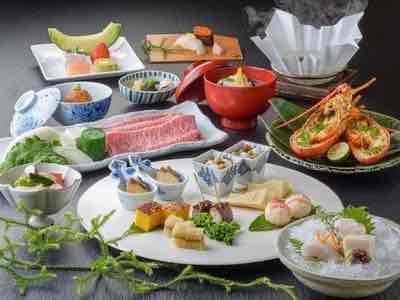
An 11-room traditional ryokan in sleepy Tokachigawa Onsen near Obihiro, built around its water: Japan's only Moor onsen (plant-derived, reddish-brown once it meets the air, and silky on the skin) feeds an en-suite bath in every room, two of them open-air. The kitchen over-delivers for such a rural address and the room under-delivers (KI-NRT later summed the stay up as 'while not super luxurious, a place we enjoyed'), and the town is asleep. He recommends it as a one-night stay for the water and the cool Hokkaido summer air, and warns not to expect great luxury.
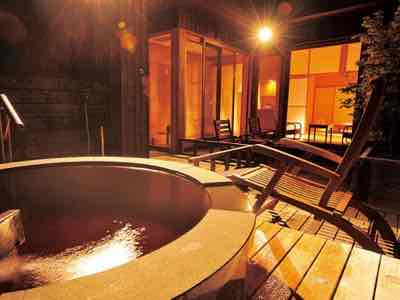
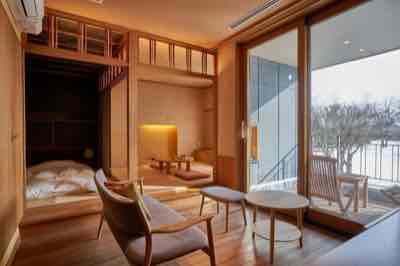
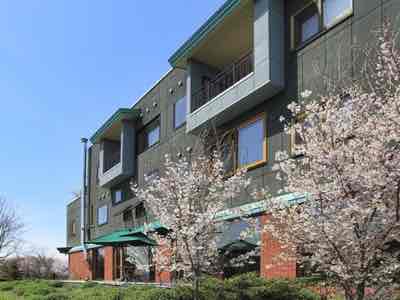
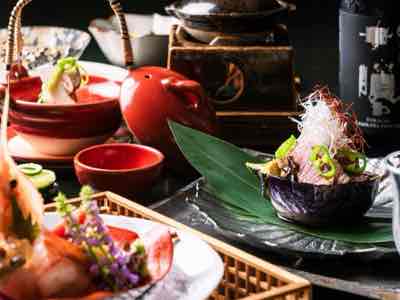
A 2016-vintage 31-room luxury ryokan on Beppu Bay, every room with its own onsen, sharing restaurants and facilities with sister property Seikai next door. KI-NRT found it polished and serene and unusually family-friendly (Beppu's ryokans skip the age restrictions of the top family-run inns) and worthy of an adult stay. He adds a reservation of his own, which is that for a tranquil, intimate onsen experience he would skip Beppu altogether for Yufuin or Kurokawa.
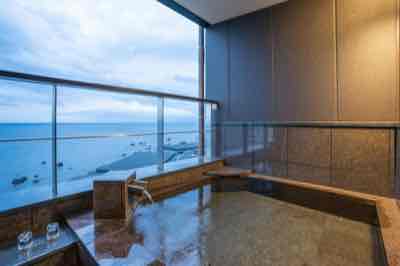
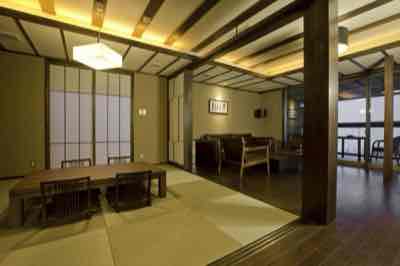
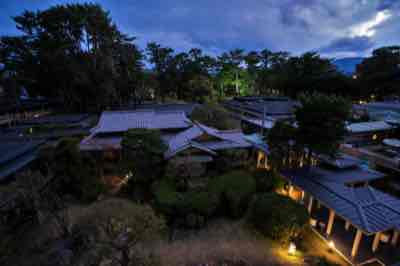
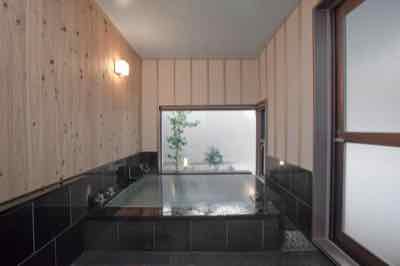
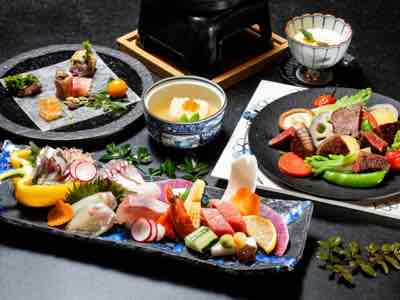
A 40-room ryokan-hotel hybrid that mostly pulls the straddle off, with an in-room onsen bath in every room in an onsen-poor city, a superb creative breakfast, and a prime Higashiyama base for temples and foliage. KI-NRT enjoyed it without being blown away (the Nikko sibling is the one he adores), and the rough edges are on the foreigner-facing side (hard to reach by phone or email in English), with a steep drop-off in the rooms below the top suites.
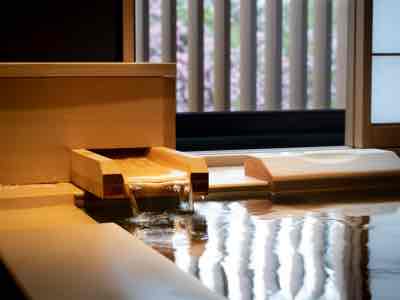
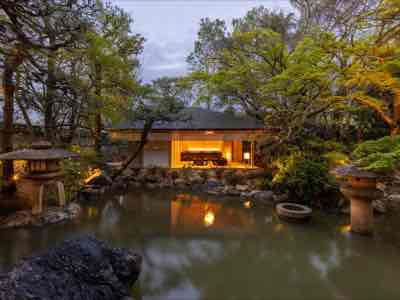
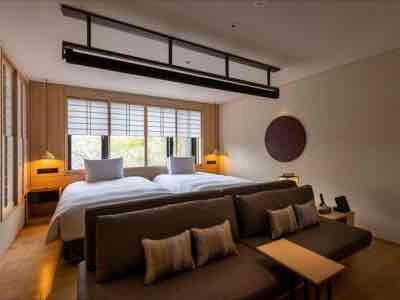
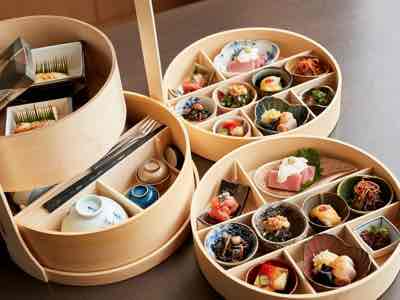
A one-group-at-a-time renovated merchant inn on Lake Biwa's western shore, opened in 2023, which fills a real gap because high-end options in Shiga are few and far between. Its strengths are Yamada's Aman-honed cooking and the private lakeside house. Against that, there is no onsen, and the staff are so reserved that KI-NRT named it the stay's one shortcoming. It works best as a well-fed quiet night between Kansai and the Sea of Japan, and the bath is plain heated water.
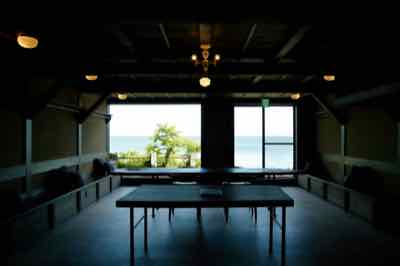
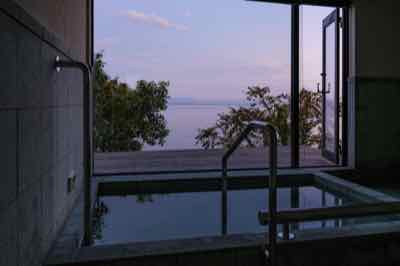
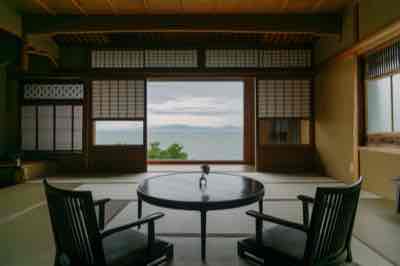
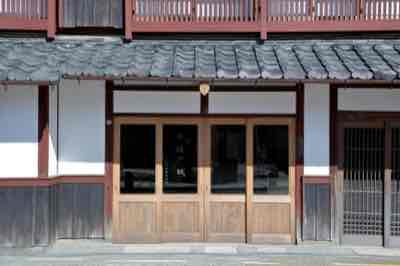
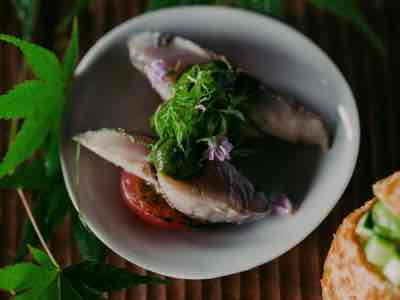
A welcoming, English-comfortable Hakone inn in Gora that Japanese regulars return to two or three times a year, and the one member who has stayed calls it an excellent stay if not a luxury one. That single first-hand account loved it (hearty meals, top-floor foliage views, in-room onsen, a fire at night) while conceding the fabric is tired, with wood rot on the decks and a guest crowd that can break the hush.
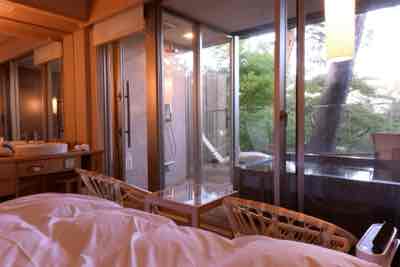
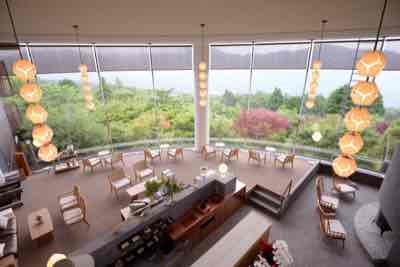
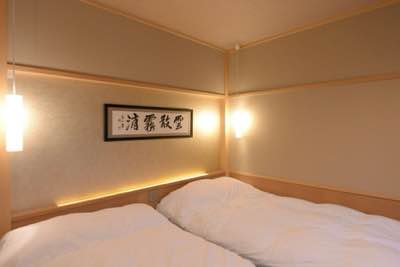
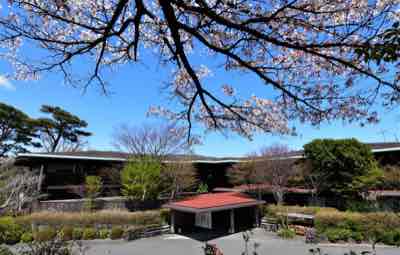
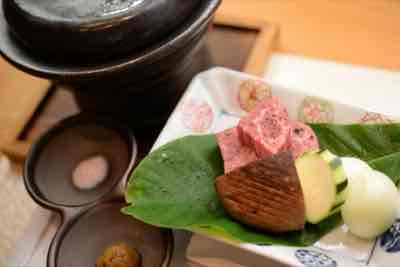
An 11-room mountainside onsen ryokan above Yoro Falls, an hour from Nagoya, known for in-room open-air baths and its Hida beef chateaubriand, and it caters mainly to a domestic crowd and bans children under 13. KI-NRT and one member had great stays, but a second member found everything mediocre and vastly preferred Shogetsu in Gero, so opinion splits between love it and shrug. It is awkward without a car, and the shuttle from tiny Yoro station is near-mandatory.
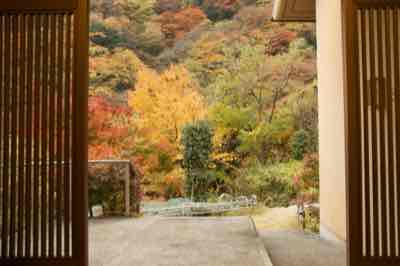
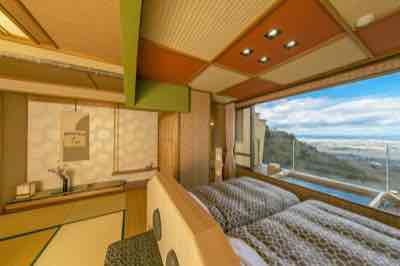
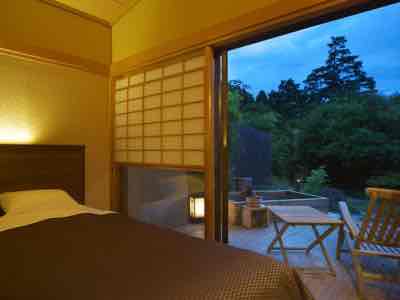
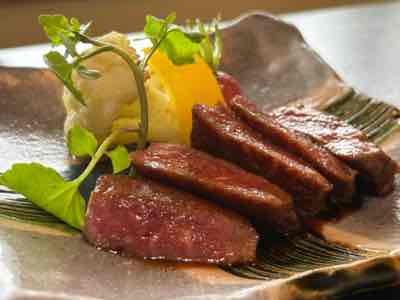
Bourou Noguchi Toya is a new-build lakeside ryokan on Lake Toya, opened in late 2024, whose top rooms pair an in-room hot-spring bath with a private sauna and a fixed rotation of three included dinner menus. The two members who have stayed disagree. A Premium Suite guest calls the food inventive and the service excellent and cannot wait to return, while a 2025 guest in a lesser room got a worn-out mattress and fire-pit smoke and would not go back. The top room is the one to book, and you will want a car.
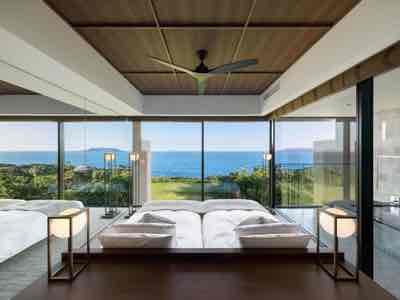
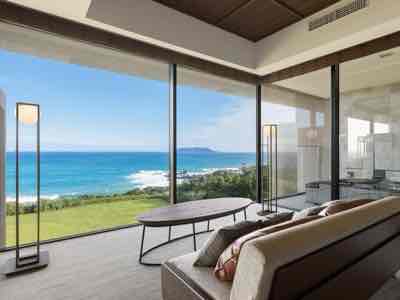
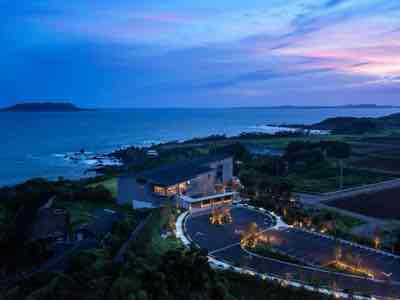
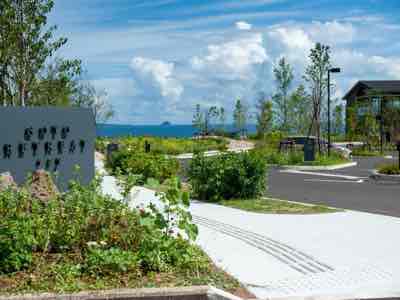
Goto Retreat Ray is the only luxury property on Fukue, the Goto Islands' main island: a fresh new-build with sea-view rooms and an excellent locally sourced kitchen (kue sashimi, kue shabu-shabu and a sauteed kue steak in season, its own take on Goto udon), but no onsen anywhere on site and a rental car as a requirement. Both first-hand stays were pleased, and KI-NRT's advice is still not to go out of your way to stay here unless you have a reason to visit Goto, namely the empty UNESCO churches and a chartered boat to the smaller islands.
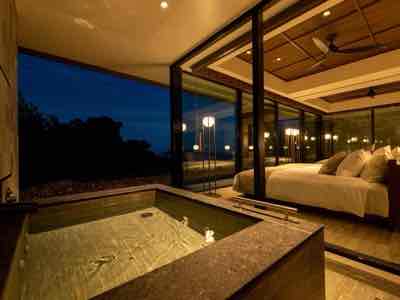
The only luxury ryokan in Ohara, thirty minutes by car from Kyoto, and really a one-room inn, because you need to book the Sakura no Ma with its open-air onsen bath or you are staying in an ordinary inn. You stay for the setting, with temples on foot and the Kurama–Kibune trail nearby, while the food is good but not gourmet and the service standard. KI-NRT gave it five stars and would recommend it for the Ohara tour more than as a trip to return for.
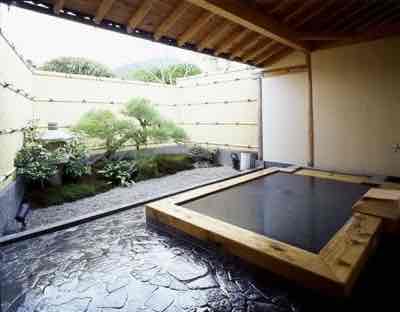
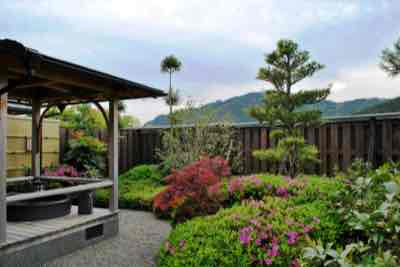
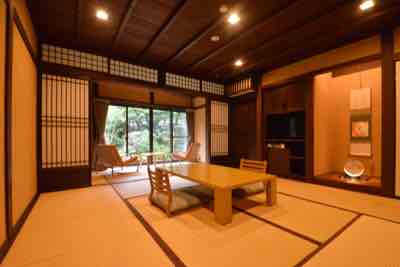
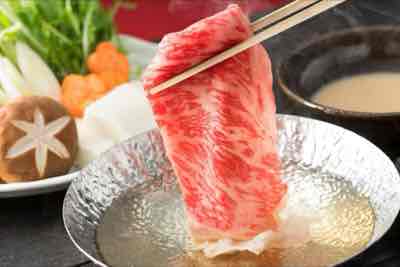
An 18-room Kyoto institution founded in 1707 that KI-NRT names the one to try among the city's inns, and the top choice if you cannot leave the cities. The appeal is in the depth, the layers of detail, history and omotenashi that reveal themselves the closer you look, while plenty of other inns offer better views, baths and food. You stay for the cultural experience, knowing that the kaiseki is good and no more, that there is no onsen, and that a first visit will probably get you the base room.
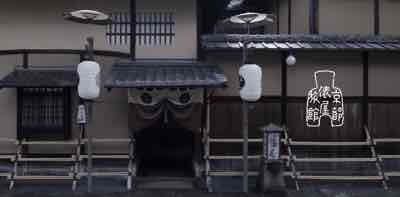
A seven-room modern build by Zaborin's architect, put up in 2009 to revitalize old Esashi, and the only high-end option there. The kitchen delivers and the town is worth the wander, but the walled-in rooms waste the seaside site, and KI-NRT puts it a notch below the top ryokans in Japan, a high-quality stop where he didn't expect to find one and not a destination in itself.
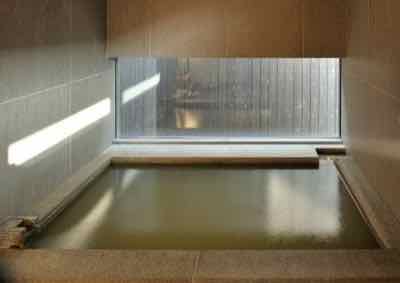
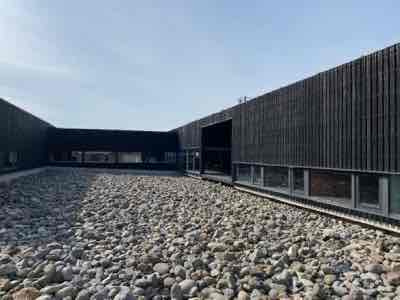
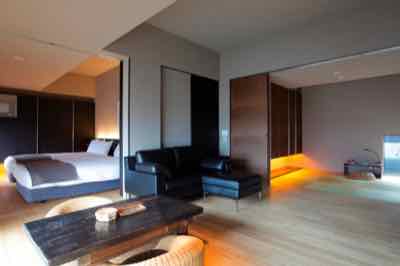
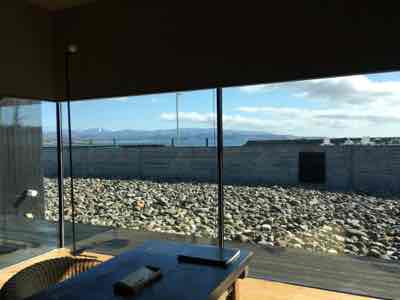
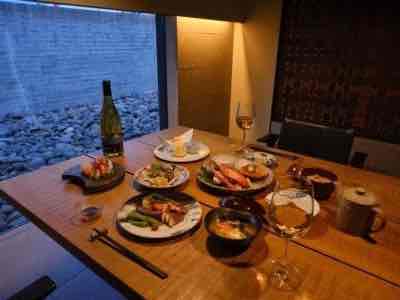
A modern-Japanese ryokan in Arima Onsen with silver-water (Ginsen) baths in the rooms and eight rentable private baths that cover both of Arima's spring types, gold included. KI-NRT suggests it as a good Arima option, and Buster CT1K, who stayed on that suggestion, found the silver water really great and the gold pretty good too. Nobody in the thread has written a word about the food, and everything either reviewer says about the place concerns the baths.
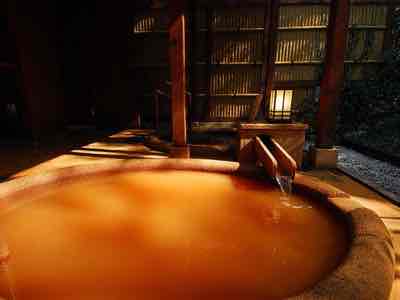
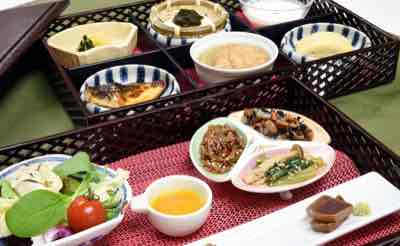
Bettei Itsuki is a Yufuin ryokan that one family in the thread has stayed at, with very good food and free sake at dinner, indoor and outdoor onsen in the room and a somewhat self-service style that still produced considerate touches for a toddler. Bristom liked it and found the value good, but said he would have picked Gekkoju Yufuin had he not overlooked it when planning, in a town stacked with strong rivals. KI-NRT names it among the area's top contenders without having stayed.
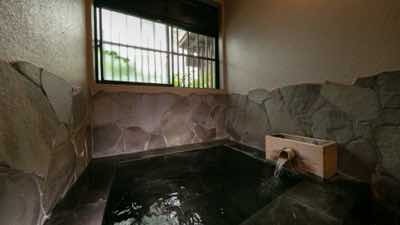
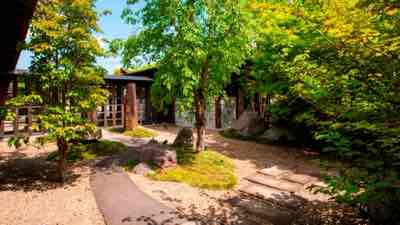
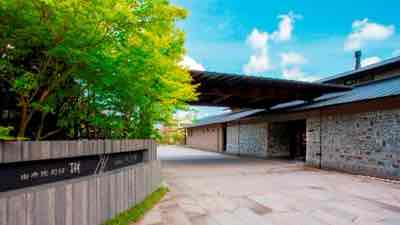
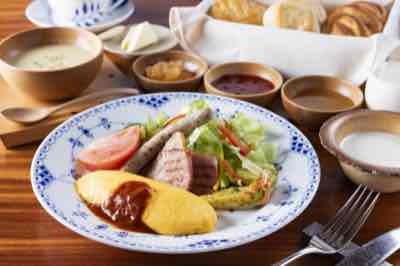
The top luxury name in Noboribetsu, and KI-NRT keeps recommending it as exactly that: a very solid property with superb pure source-fed water and wonderful forest-facing communal baths. He repeats every time, though, that nothing beyond the onsen blew him away, with food that was only good, no uni served, and a nakai who refused simple requests. The water alone makes it worth a stay, and the rest is solid without being transcendent.
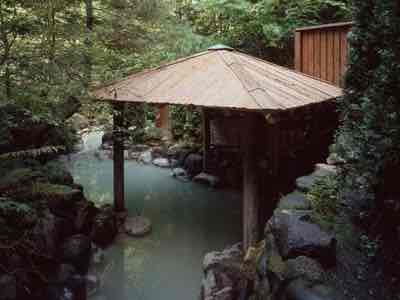
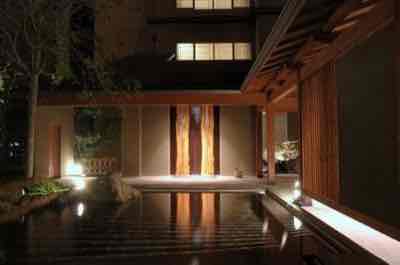
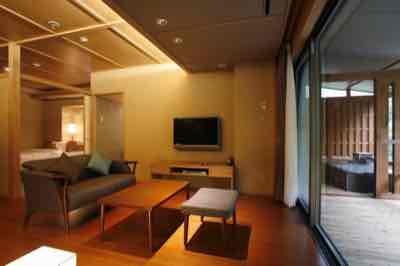
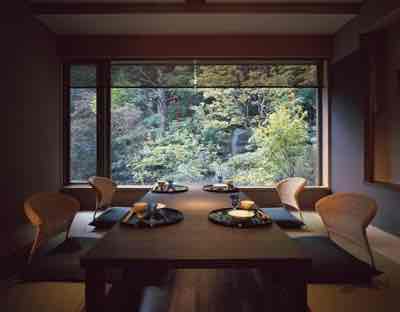
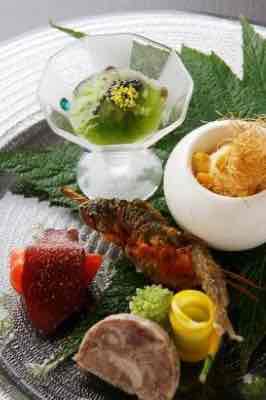
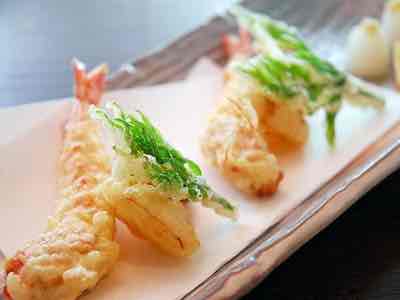
A small Kyoto inn wrapped around a famed tempura restaurant, and the tempura kaiseki dinner is the event, served in a private room with the owner okami-san among the servers. The one member who has stayed recommends it but found it not quite as special as Nishimuraya in Kinosaki, missing the hot springs and village feel a city inn can't offer. It is best thought of as a dinner with a lovely garden-view room attached.
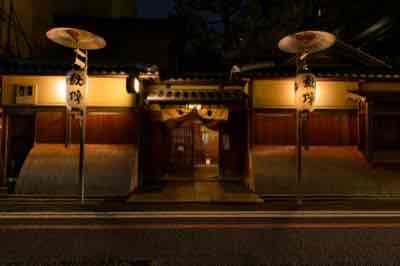
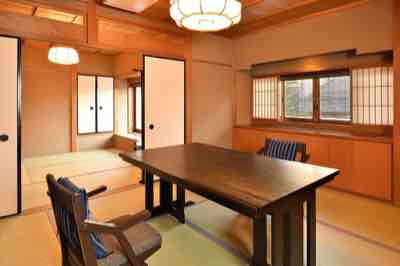
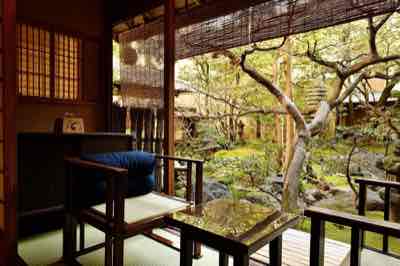
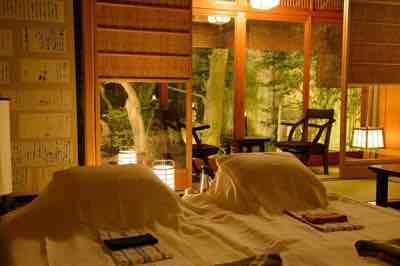
A six-room Yufuin inn with a private onsen bath in every room that the one member who stayed found unbeatable for the money; it runs far less per night than neighbours like Enowa, Gekkoju or Sanso Murata, and Japanese reviewers think extremely highly of it. He would call it quality and high-end and is not sure it qualifies as luxury. KI-NRT has not stayed himself, so the account comes from that single visit and from acquaintances of his, and with six rooms it is tough to book.
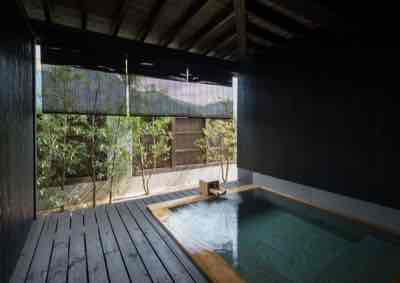
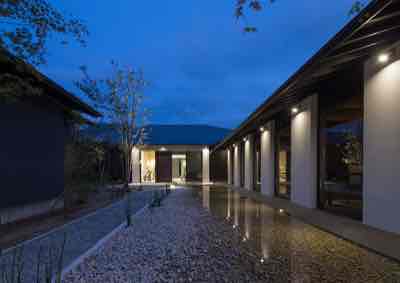
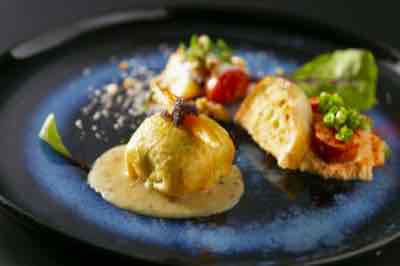
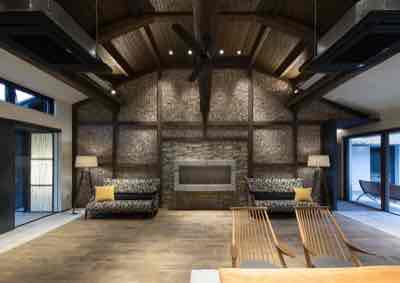
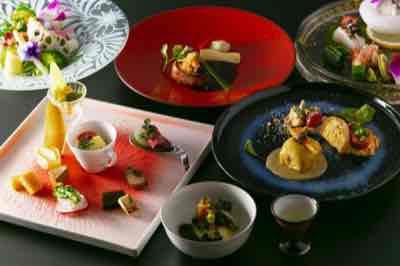
Bettei Otozure is the intimate 18-room contemporary sister to the big, aging Otani Sanso in Nagato, connected to it by a private indoor walkway, and its guests are free to dine and use the facilities at the larger property (the reverse is not allowed). KI-NRT calls it one of the top luxury ryokans in southern Honshu, not quite up to the standards of the best of the best (Gora Kadan, Asaba or Takefue), and he would not hesitate to recommend it. He found it a good base for exploring the surrounding areas by car, and the place itself is not a destination.
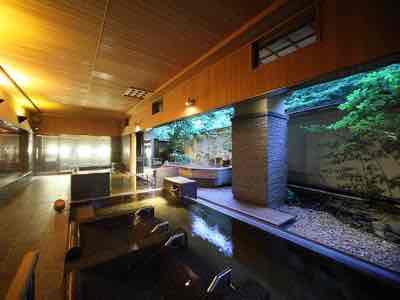
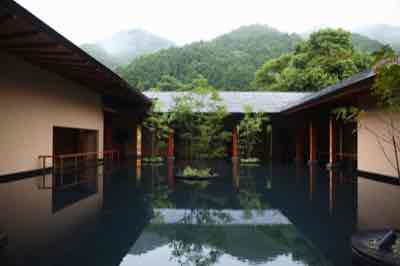
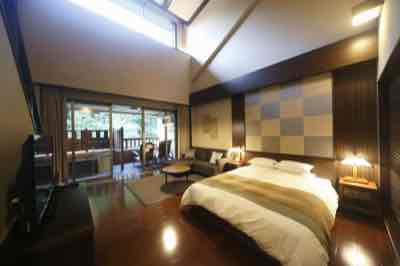
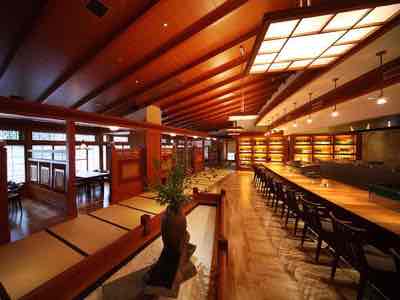
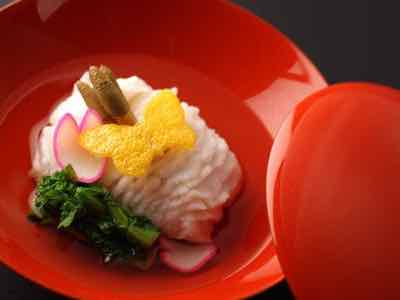
A seven-room inn in Tsumagoi, Gunma, founded in 2002 after the owner couple drilled 1,000 meters under the building and hit the onsen jackpot: superb source-fed water in every room plus three 24-hour private baths. The hosts are warm and unpretentious, and the cooking split the household, pretty good to KI-NRT and excellent to his wife. He is blunt that it is no destination ryokan; it works as a comfortable stop on the way to Karuizawa (45 minutes) or Kusatsu (40 minutes).
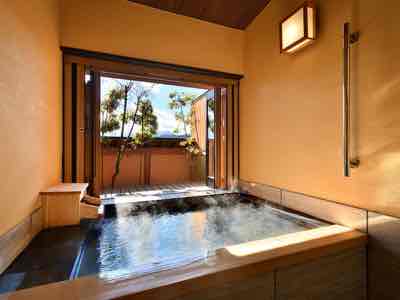
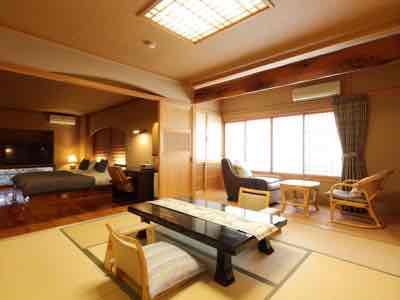
Kaichoro is an adults-only, 8-room annex of the 440-year-old, 83-room Fukuichi in Ikaho Onsen, with onsen in every room and its own entrance, lobby and staff, so you get the Ikaho onsen experience (two spring varieties, in-room open-air baths, warm staff) without the crowds of the big parent. The kitchen is the weak leg, with a few courses worthy of the setting next to izakaya-plain ones. KI-NRT found it worth doing for the golden water and an off-the-beaten-path town, and he has had better meals at cheaper ryokans.
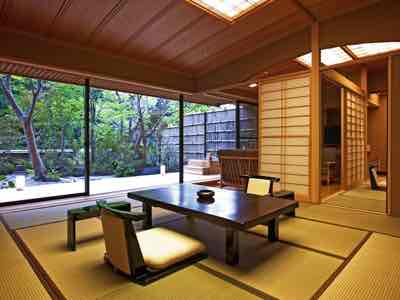
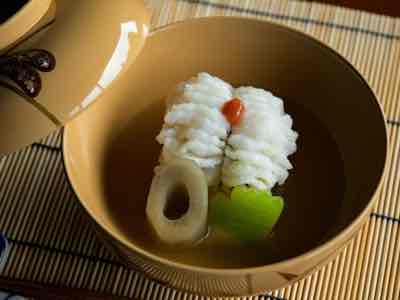
Modern Ryokan kishi-ke is a one-group-at-a-time villa in Kamakura run by a wonderful English-speaking couple and built around on-site experiences (zazen, tea ceremonies, katana training) that KI-NRT mostly skipped in favor of the temples. He really enjoyed the stay and would love to return and do it properly, while being clear it is no one-room Aman or Asaba, since the villa layout is awkward, there is no onsen and dinner is out on the town.
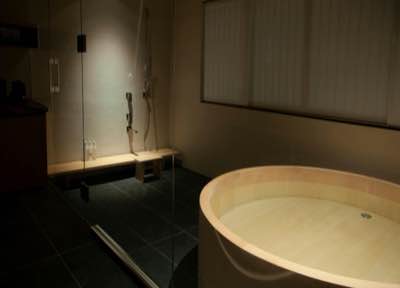
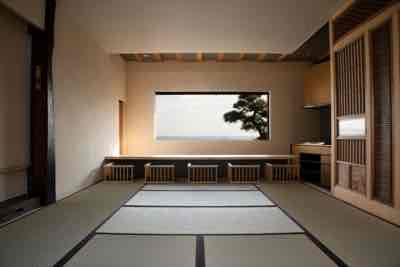
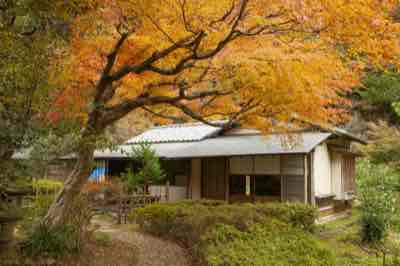
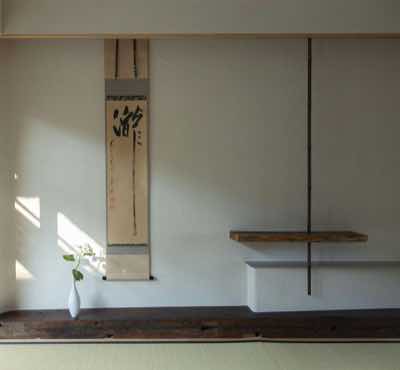
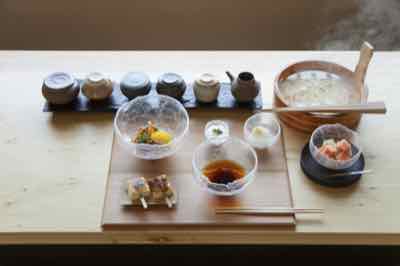
A one-group-per-day villa in a restored Edo-period kominka above the rice paddies of the Kiso Valley, minutes from the Nakasendo post towns of Tsumago and Magome, with three bedrooms, a spectacular nail-less timber living hall and a wood-fired kitchen of foraged and wild-game cooking. KI-NRT found the stay memorable and completely private, but the service is casual and had its misses, there is no onsen, and the bedrooms are built for sleeping only. It makes most sense for a first Nakasendo visit or for a group taking the whole villa.
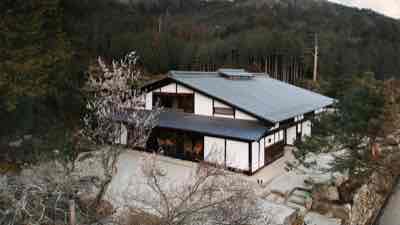
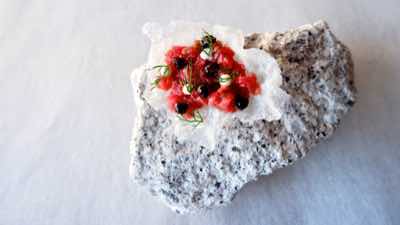
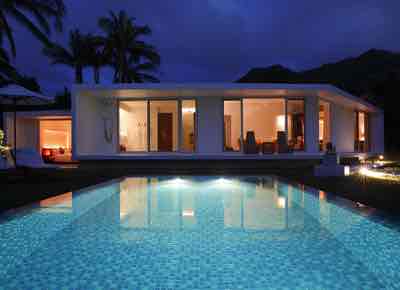
A five-villa Mediterranean-white hideaway in northern Ishigaki that existed for Chef Hirose's Italian-Japanese cooking, which was good enough that KI-NRT once dined in four nights straight and which alone brought him back on a detour in December 2025. That return found the food already below what he remembered, and the chef retired at the end of March 2026 with no successor or cuisine direction announced. With no sea views, no onsen and the kitchen now an open question, he thinks booking Jusandi today means betting on an unknown.
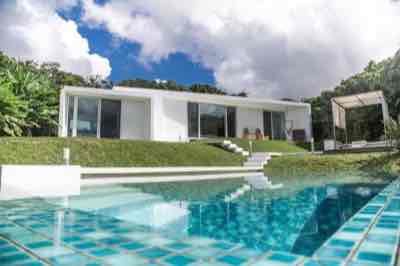
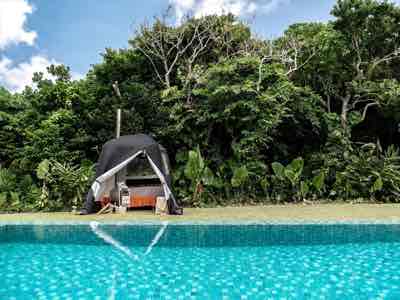
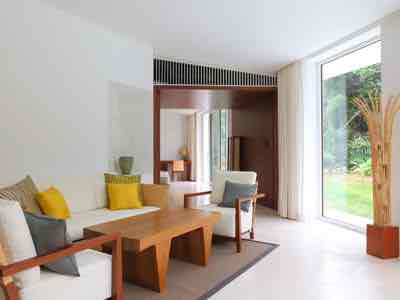
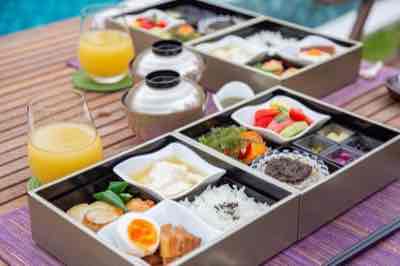
Kifu no Sato is the top luxury ryokan in Yunogo Onsen, one of Okayama's three famous onsen towns, and KI-NRT later called it arguably the top ryokan in Okayama Prefecture; the family that runs it went on to open Naoshima Ryokan Roka. His own impressions from a 2021 overnight are lukewarm in the details, with a drab yellow exterior in a town that has seen better days, kaiseki he called pretty darned good, and a maybe on returning. He calls it a good option if you are looking to stay somewhere between Osaka/Kyoto and Hiroshima, although it is a bit out of the way.
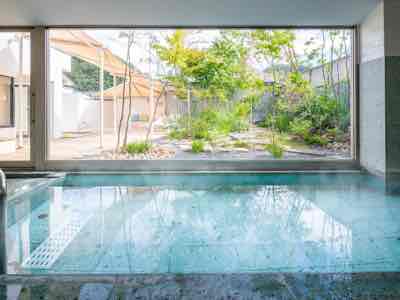
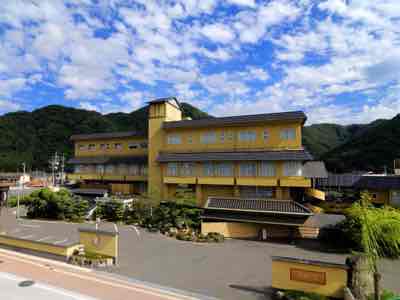
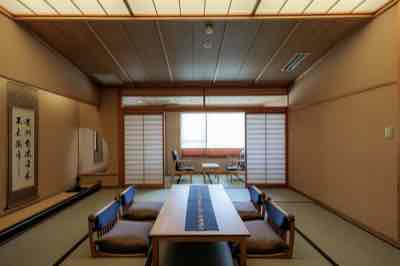
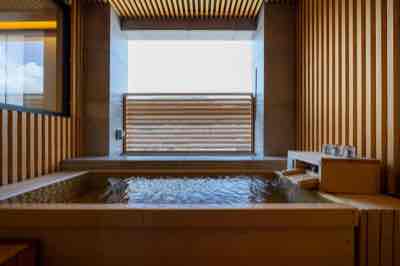
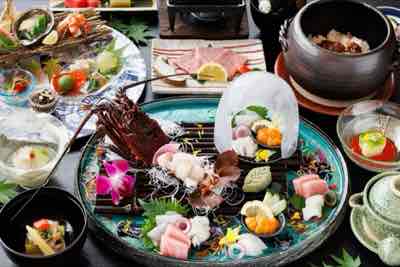
A ten-room luxury property with French-inspired dining in Arima Onsen, its grounds thick with trees and ponds and its villas built to blend into that calming landscape, and the best KI-NRT has found in a town whose ryokans have otherwise never cut the mustard for him. The genuine hot-spring water suffers from a slow, self-fill in-room tub, and the top villa runs a little dark, but service is refined and after two nights he said the quality of it all will not make you feel cheated in any way.
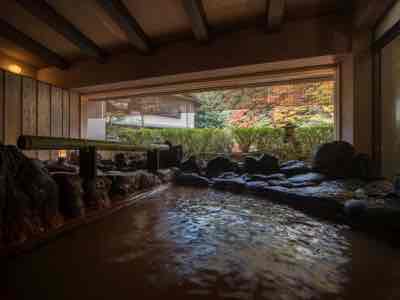
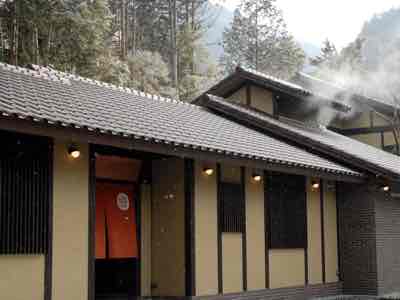
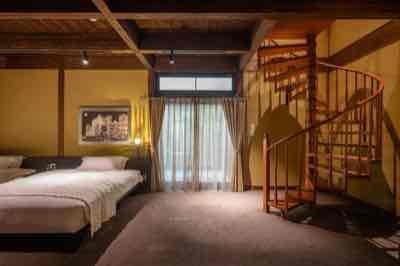
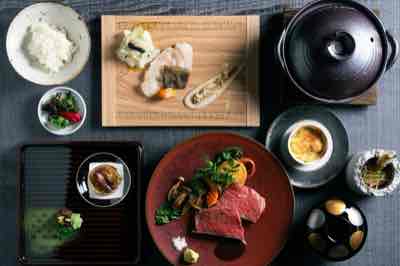
A midsize, 30-room contemporary resort in Togatta Onsen on the flank of Mt. Zao, its design blending Japanese and local elements into the surrounding landscape. KI-NRT's one detailed account calls it one of the jewels of the Tohoku region, with Chef Naoi's cooking he ranked not far off his all-time favorites. The huge Presidential Suite's outdoor bath, though, sits down a locked hallway and stairs, and he places the property among Japan's pricier stays without ranking it among the true elite.
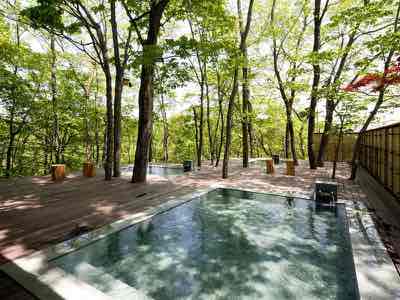
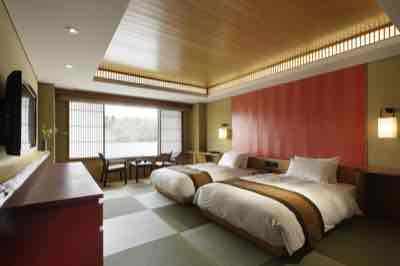
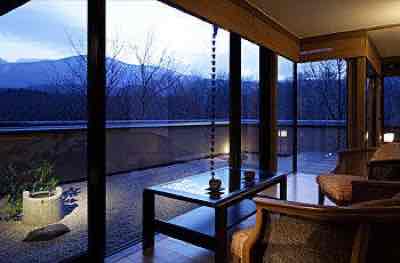
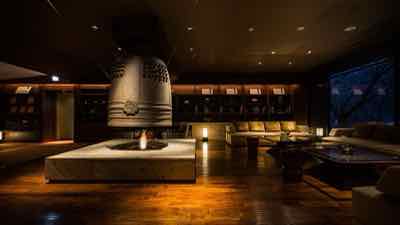
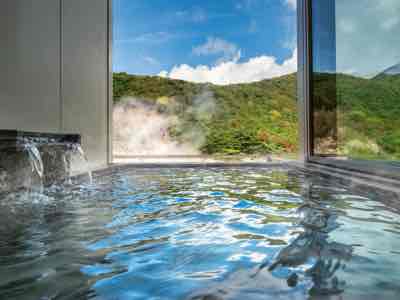
A 51-room Hoshino Resorts property built almost inside Unzen's steaming Jigoku hot-spring hells, opened in late 2022 with 16 rooms carrying a private balcony onsen. Nagasaki Joe stayed five months in on a breakfast-only plan (no dinner sampled) and found real strengths in the shared sulfur bathhouse and the breakfast kitchen, but called the room overly spartan and the exterior plain for a brand-new building. He judged it decent, though at a similar price he would pick the traditional ryokan next door instead.
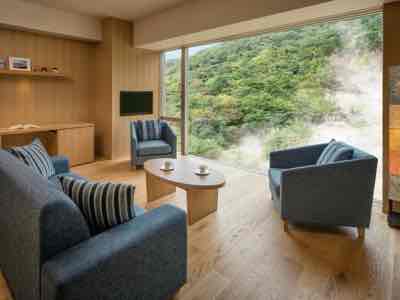
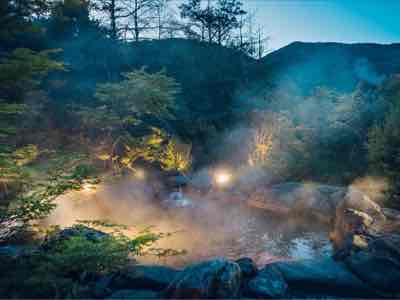
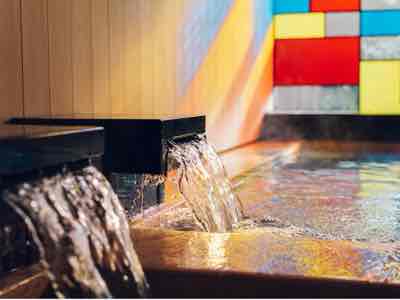
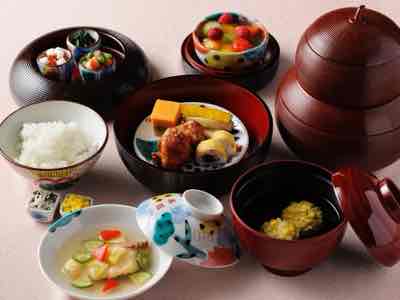
Hakodate's most famous onsen ryokan, a 1924 inn that hosted the Emperor and came back from a years-long pandemic closure. KI-NRT's 2025 return found the kimono-clad personal service and source-fed sea-view baths as good as he remembered, but the once-revered kitchen has stood still and even the top room is dated. He thinks it may still be the best ryokan in Hakodate, but it is far from a destination property.
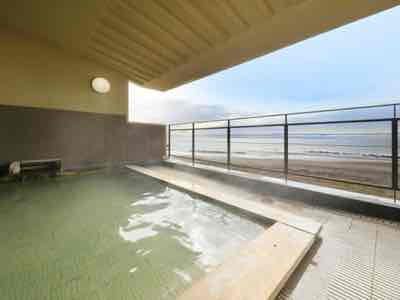
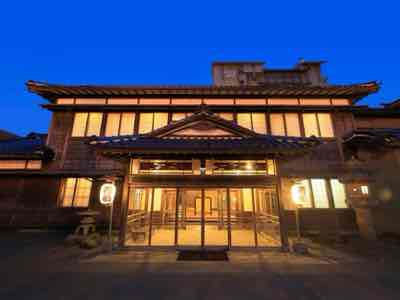
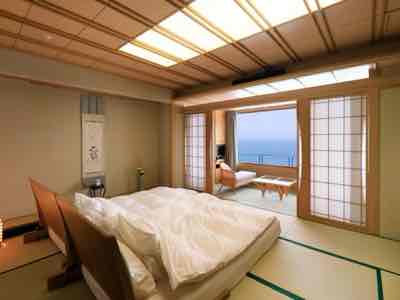
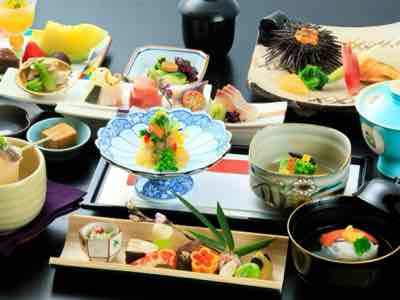
A seven-room traditional inn on a small hill above Kanazawa, a ten-minute drive from Kenrokuen and the Higashi Chaya district, whose top room is the Yamaboushi duplex suite, but which has no onsen and no garden. It was KI-NRT's go-to across three stays in a city where no stay had ever satisfied him, so the praise is relative to a weak field, and the kitchen slipped between 2019 and 2022. The question is moot now in any case, because the ryokan has gone out of business.
A 25-room Tsuruga Group flagship on Lake Shikotsu with a spectacular building and interiors and a kitchen that lets them down: KI-NRT was shocked that a 2019 build at this price would serve frozen, dried-out local fish. Both 2025 stays called it overpriced even with the all-you-can-drink inclusions, and the service has a corporate feel and is patchy. He still expects anyone staying on Shikotsuko to end up here, because everything else nearby is extremely rustic by comparison and there is really no other choice.
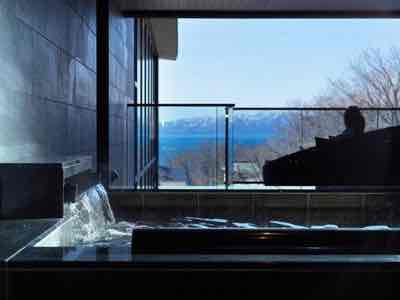
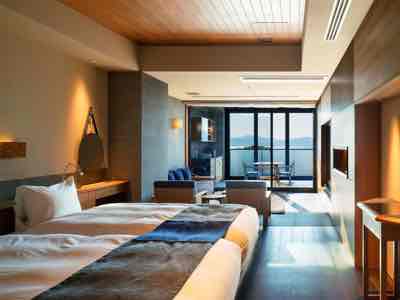
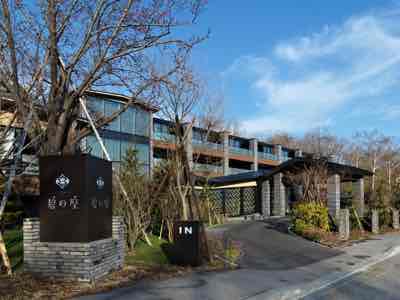
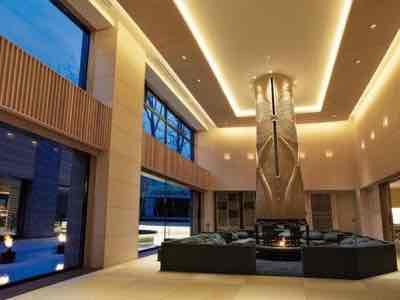
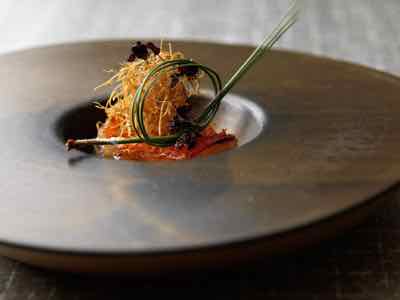
A rustic detached-villa sister to Kurokawa's renowned Yamamizuki, and the thread's standing recommendation once you accept that after Takefue and Gosho Gekkoju the area's luxury drops off steeply. KI-NRT stayed in 2016 and still recommends it, and a 2025 member couple knew it was not properly luxurious going in, liked the scenery, found the food forgettable and would only return in nicer weather. KI-NRT's advice is to get the C-type villa with its own indoor and outdoor onsen, and the village is a stronger reason to stay than the kitchen.
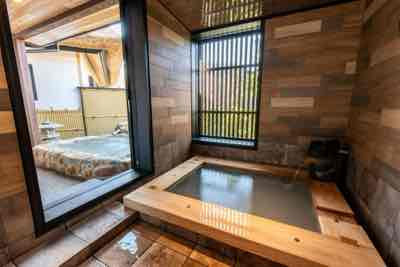
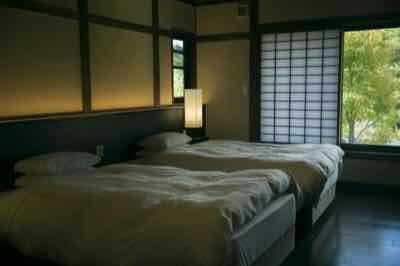
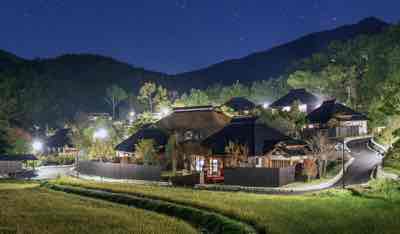
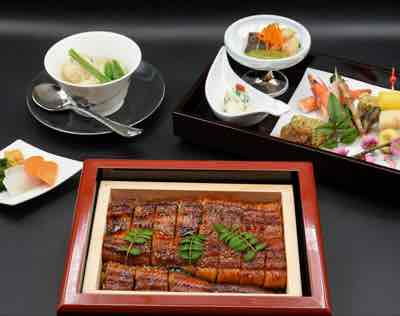
Ekoin is a working Buddhist temple on Koyasan that runs a single luxurious suite (a private garden, two double beds and a tatami dining room where a strictly vegan shojin dinner arrives at a fixed 5:30pm). There is no onsen, and guests are encouraged to join meditation in the afternoon and the service and fire ceremony before breakfast. Both first-hand stays enjoyed it as the closest a temple lodging gets to non-Buddhist comfort, and both agree that a single night is the right dose for Ekoin and Koyasan together.
Honjin Hiranoya Kachoan is possibly the top ryokan in the center of Takayama, a minute from the old town and far nicer than its sister property Bekkan, but KI-NRT calls it, along with the other central options, far inferior to Wanosato, with good but not amazing food and a multi-story building that has nothing like a garden to give it charm from outside. Service is a real strength, led by an attentive named butler. It is very solid luxury if you want to sleep in the historic district, and his advice is to pair it with Wanosato instead of choosing between them.
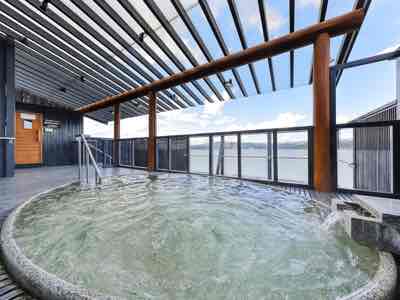
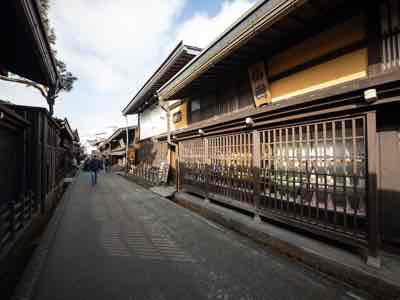
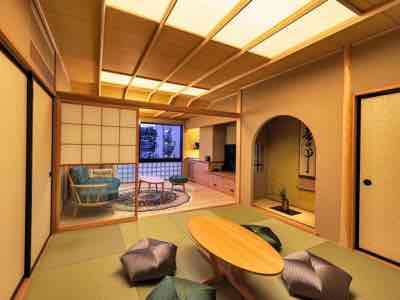
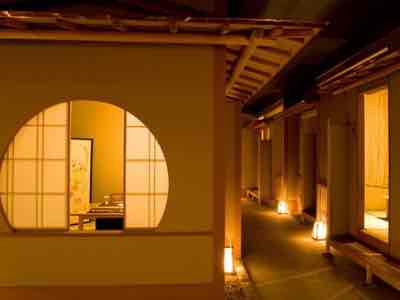
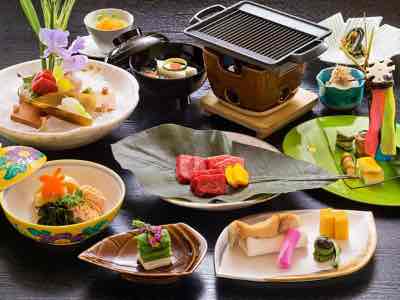
Katsuragi Hotel Kitanomaru is a Yamaha-founded forest hotel of the 'local luxury' school, with a great garden, a classic piano and a fusion kaiseki kitchen (a standout Omi beef course and dessert among the courses) that carried the stay. The rooms are where it falls down, since KI-NRT's booked 28-square-meter room was cramped and, at over $500 per person, poor value; most of the inventory runs small, and he says the place needs suites. He calls it worth trying once, and only once, unless a suite is available.
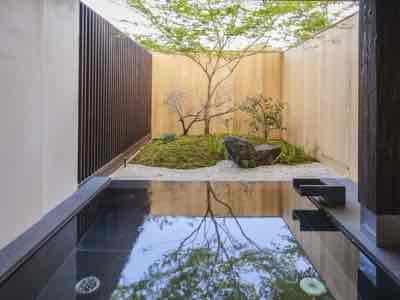
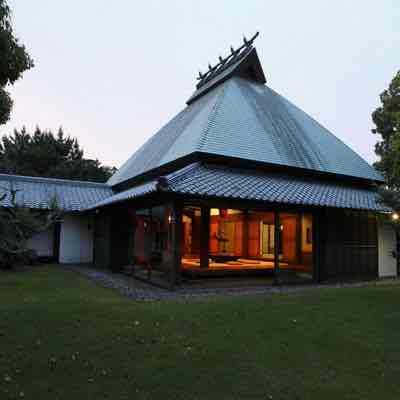
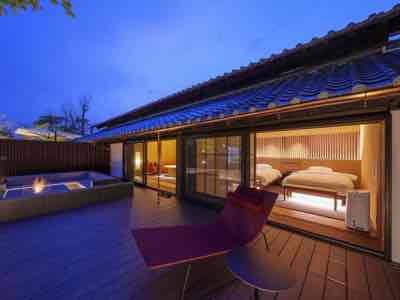
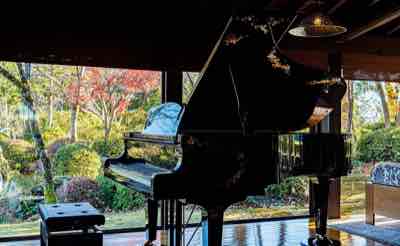
Sakan Shoan is an eleven-room bayside inn 45 minutes northeast of Sendai, and the setting is why you go: spectacular Matsushima Bay views from just about anywhere on the property, plus good local sashimi and abalone served in a private dining room hosted to a very high standard. It is a ryokan/hotel hybrid with no onsen at all and view suites that run small, but KI-NRT wouldn't hesitate to return, which makes it a solid Tohoku view stop, if not quite a destination inn.
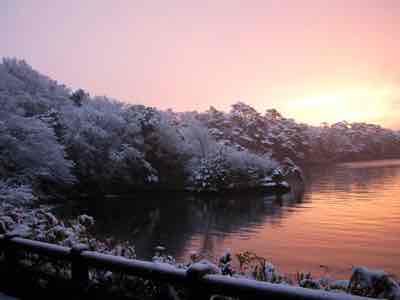
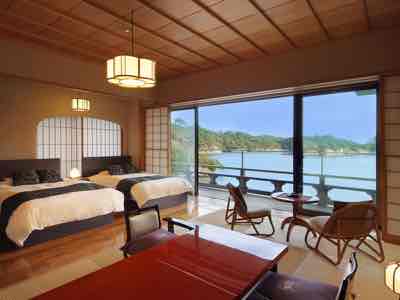
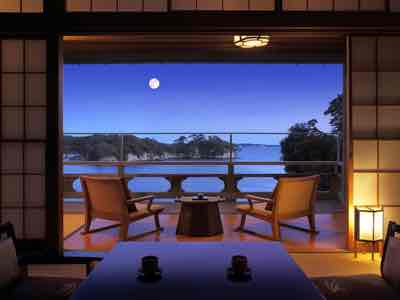
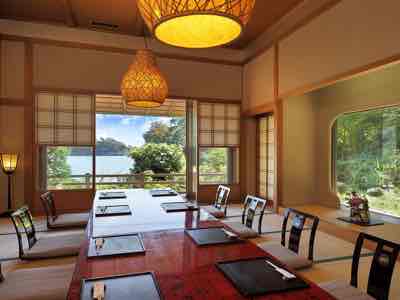
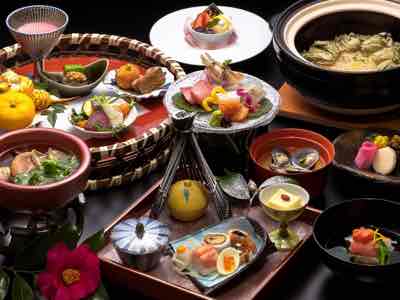
An eight-room seaside inn in Oarai, founded in 1888 and rebuilt in 2011, that KI-NRT chose for its location: twenty minutes from both Hitachi Seaside Park and Kairakuen, and within reach of Ashikaga's wisteria. He calls it not remotely in the league of Japan's top ryokans and no destination in itself, but the torii view, the waves and an enjoyable local dinner made a flower-season base he would use again.
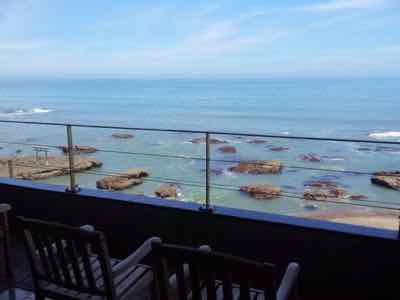
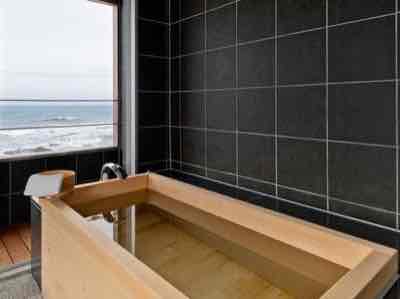
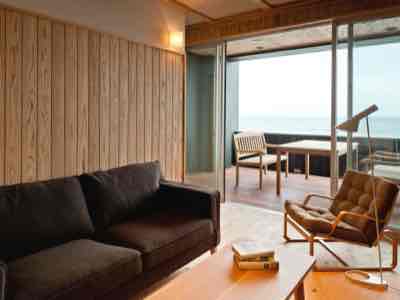
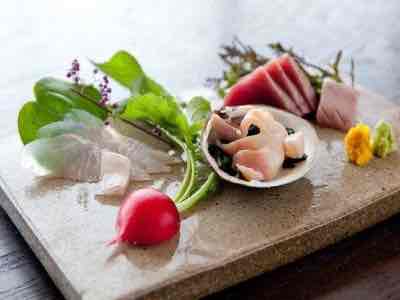
A six-room seaside ryokan on Shodoshima, Japan's olive-growing island, opened in April 2019 as the modern sister property to the traditional Shimayado Mari (about 10 minutes away by car). The star attraction is a twelve-course Olive Kaiseki dinner that KI-NRT called wonderful, but there is no onsen anywhere on site, only a tub you fill yourself, cut with spring water carried over from Shimayado Mari, which is a real letdown if onsen is what you are after. Ikyu's guests love it regardless, with meals and satisfaction near the top of their marks.
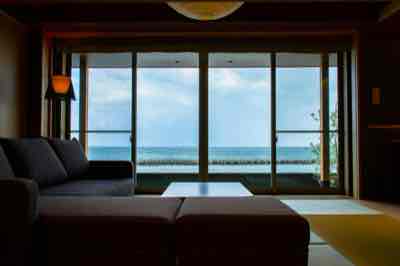
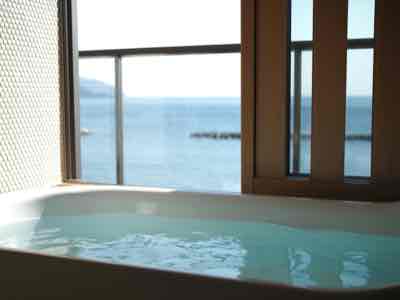
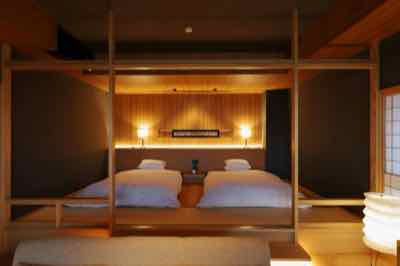
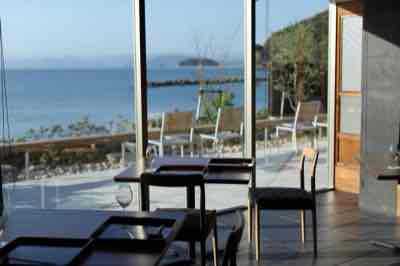
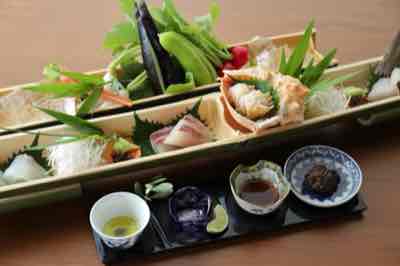
A non-traditional art-hotel ryokan in Takeo Onsen that shares the same onsen and the magnificent Mifuneyama Rakuen garden with its luxury neighbor Chikurintei, with a dark lobby, a flashlight check-in and a colored-light show at the front desk. Nagasaki Joe's 2023 stay found pleasant meals and a much-touted spa that did not live up to its billing, at a fraction of the neighbor's price. His advice is to book Chikurintei if you can and to fall back on this decidedly non-luxury alternative when it is full.
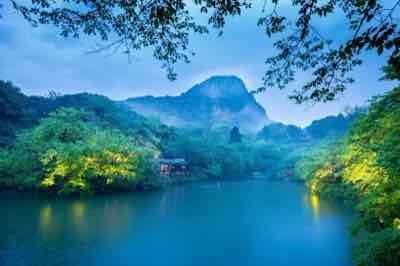
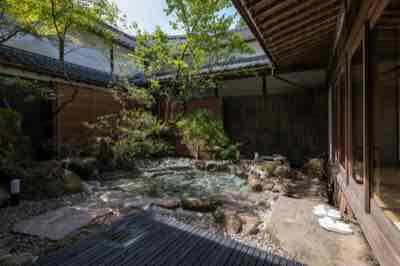
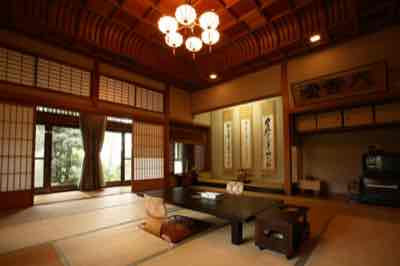
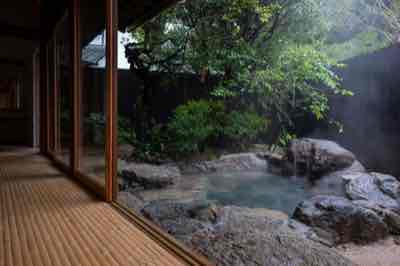

A 12-room garden ryokan in mainland Hatsukaichi near the Miyajima ferry, with a hypnotic garden and an oyster-and-conger-eel kaiseki. Japanese travelers adore it (4.81 on Ikyu), but KI-NRT gave it three stars, near the bottom of anything he reviews, for the aging, under-cleaned suite and the hassle of the self-fill tub, and he calls it a convenient overnight that is not a destination ryokan in its own right. Yet five years on he still sends Miyajima-bound travelers here and still praises the food and garden; it works as a single night if you choose your room carefully.
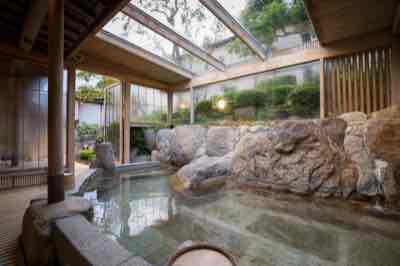
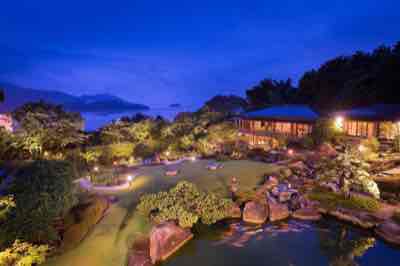
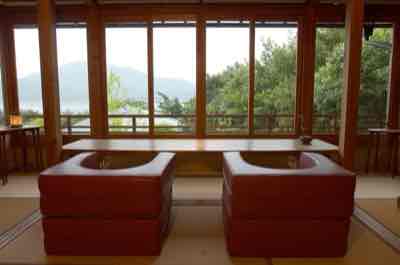
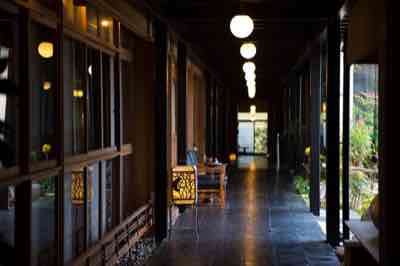
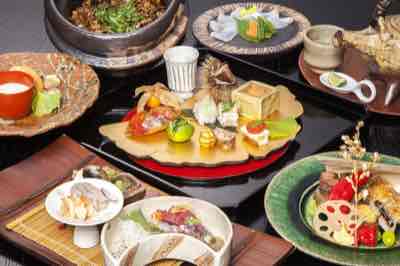
A rare outpost of luxury on Akita's remote Oga Peninsula, revived since 2017 by the okami Emiko Hirabayashi's investment in a new onsen source and refurbished rooms. KI-NRT calls it the most polarizing property he has experienced in Japan: breathtaking views and a soothing onsen against uneven service, food that is merely "good" and rooms he would avoid. She seemed cold at first and then warmed into an engaged host who gave them a tour of the whole property, and he says that without those conversations the stay would have ranked among his more underwhelming.
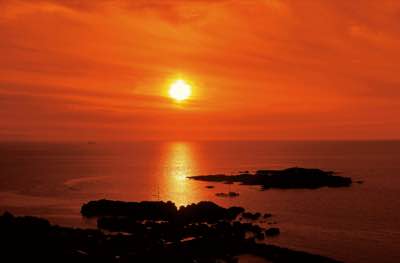
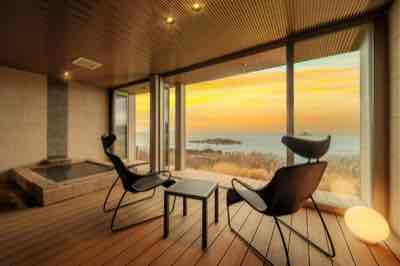
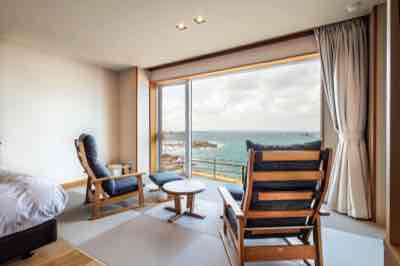
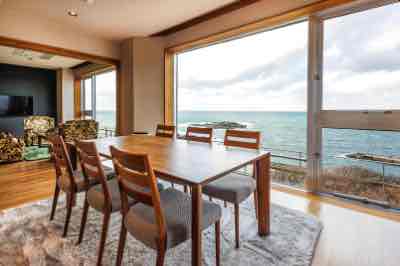
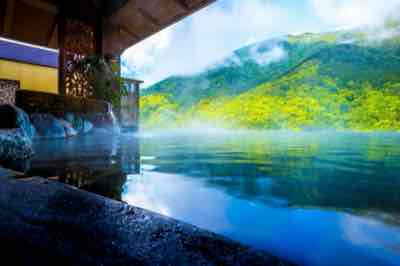
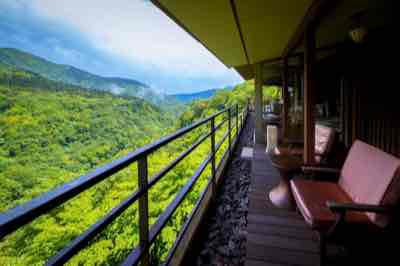
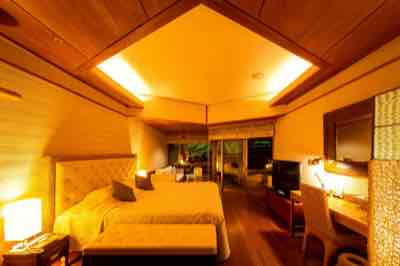
A Hakone ryokan with the best views in the area and its hardest reservation, which in KI-NRT's eyes is resting on its laurels, with those views wrapped in Balinese interiors that could use a refresh, impersonal hotel-like service and a recirculated onsen. 'It's still nice, but for the prices they command I'd expect a bit more,' and its claim to fame nowadays is the difficulty of booking it; he would not return. If you do go, get the highest floor you can for the view.
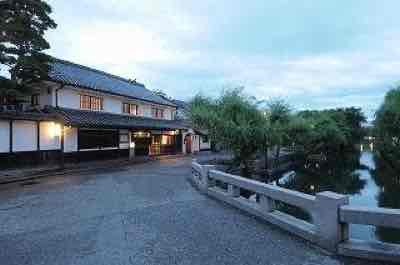
An eight-room inn in an authentic historic building at the heart of Kurashiki's canal district, with Meiji-era antiques throughout and a spot right on the main canal by the Nakabashi Bridge, and the default luxury choice in town. KI-NRT's stand-alone Inui suite came with a service gap and a stairway that ruled out room dining, but he closed by saying he'd stay again with a different room and a better-briefed server; by 2025 he was calling it a coin toss against the newer Yoruya nearby.
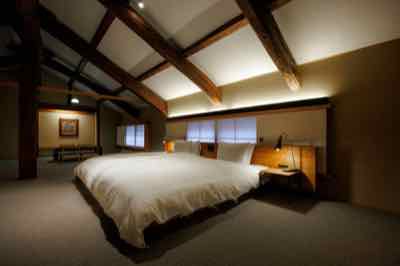
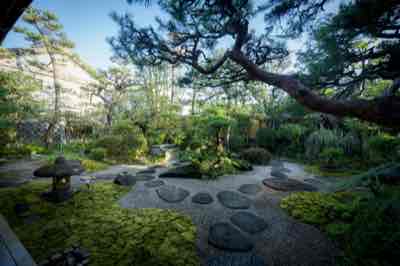
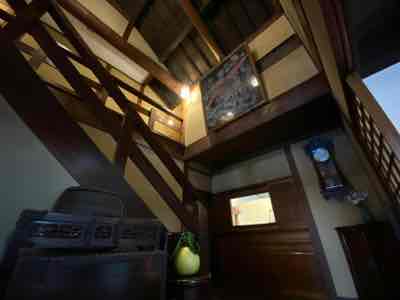
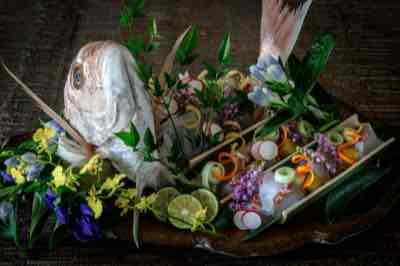
A seven-room Tadao Ando retreat above Matsuyama that appears on many 'ryokans to stay at before you die' lists, and KI-NRT is not entirely sure why. It is exclusive, with that famous pool, and the food and service draw real praise: sea bream and a spectacular Takikomi Tai Meshi at dinner, staff who got everything right. But there is no true onsen (the rentable pool, sauna and jacuzzi struck him as an artificial, party-mood dungeon), and the aging concrete is the flaw that leaves him cold, so he would sooner return to Oborozukiyo.
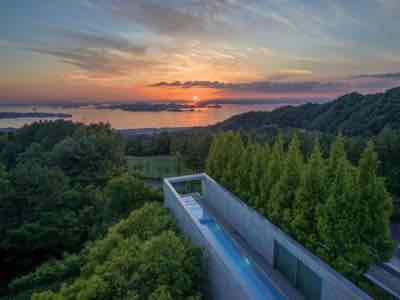
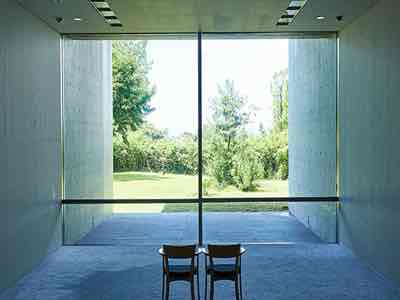
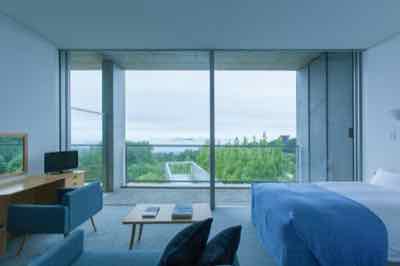
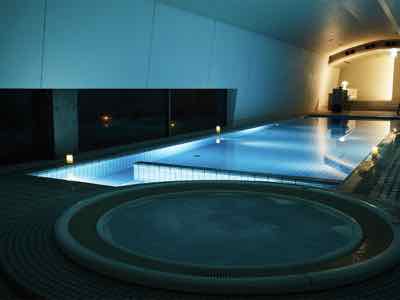
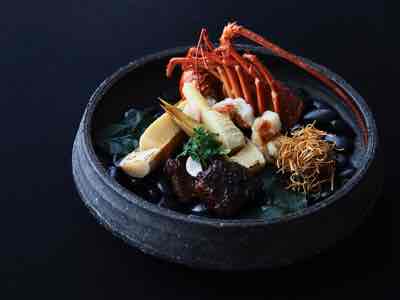
Hyakuna Garan is an 18-room property in Nanjo on Okinawa's main island, and its standalone Garan Annex is immense at 130 square meters, with a rooftop hot tub and a panoramic ocean view; like most Okinawa properties it has no onsen. KI-NRT's four nights there in December 2020 were enjoyable, with warm service and the Goya Champuru and desserts among the highlights, but the furnishings were dated, the local beef fell flat, and it isn't a beach destination, so his hunt for a true Okinawa luxury ryokan continues.
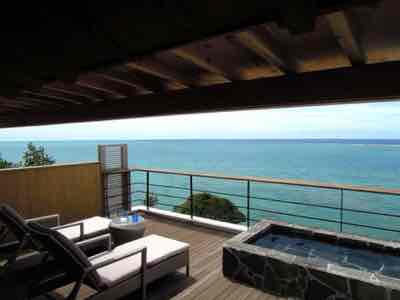
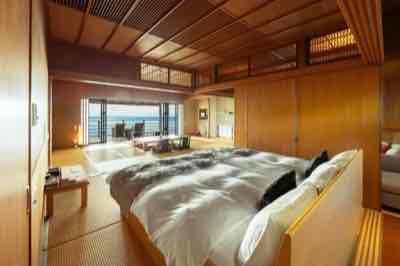
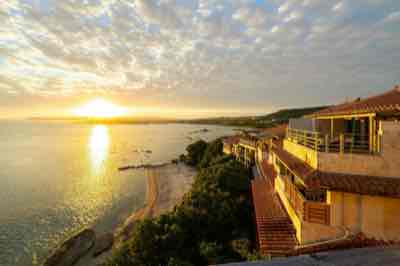
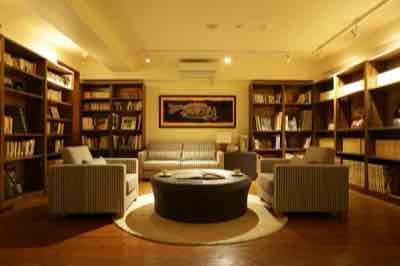
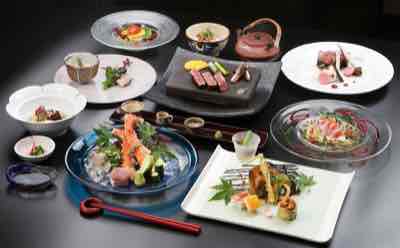
A celebrated 1854 institution in the single best spot on Miyajima, beside Itsukushima Shrine and the floating torii, and that location is most of what it has going for it. There are no onsen baths on the property, the rooms run from dated to tiny, and KI-NRT came away 'very underwhelmed,' switching rooms mid-stay and still finding little comfort. The food was decent but unexceptional, service was friendly, and a member in the newer rooms enjoyed her stay. You stay for the shrine at night and put up with the rooms.
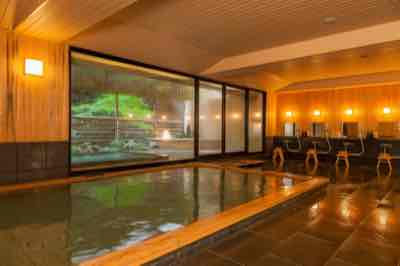
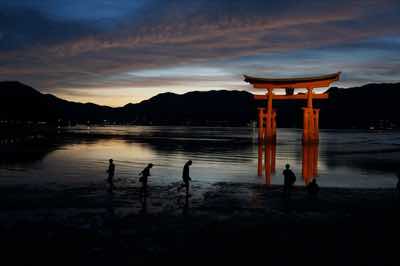
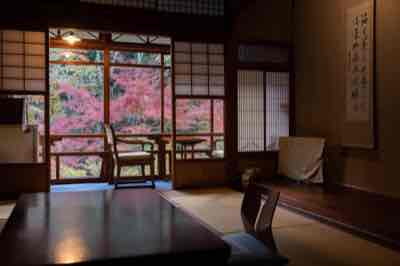
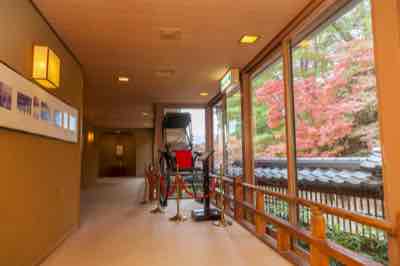
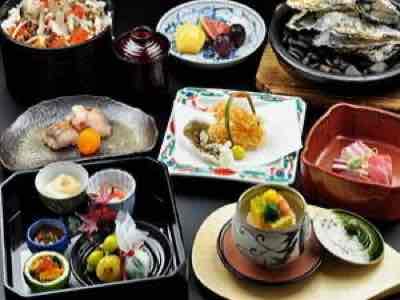
A 43-room Kotohira inn built around Chouseiden, a history-steeped standalone villa once home to the local lord and hung with the original owner's art collection. KI-NRT calls the room well worth the privilege as an experience and dinner a delight, and sums it up as a good stay at a reasonable price, though the service was indifferent and the villa has no private onsen bath, only free use of the rentable one.
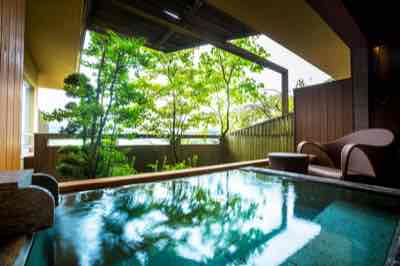
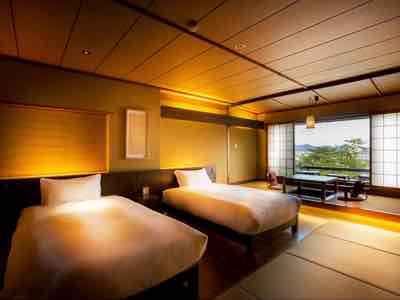
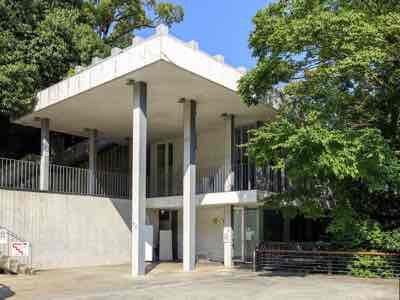
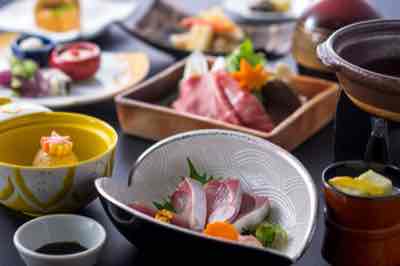
Kei is the 2019-opened bid for luxury in Japan's most famous onsen town, and as of KI-NRT's November 2023 stay it isn't there yet: genuine two-source onsen and a satisfying kaiseki inside an inn that cut corners on towels, toiletries and, most damagingly, staff training, given what it charges. He left glad to have seen Kusatsu and unconvinced by Kei, and two years on he still says the town "just doesn't have an amazing place to stay."
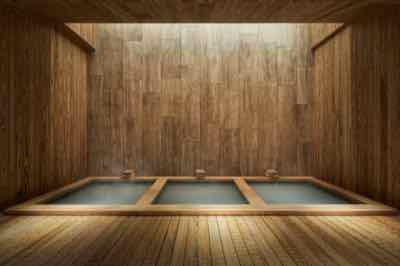
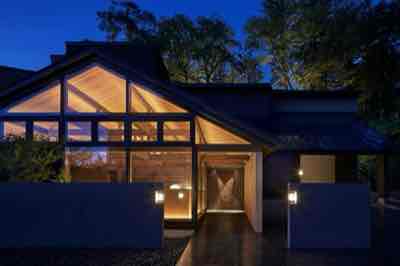
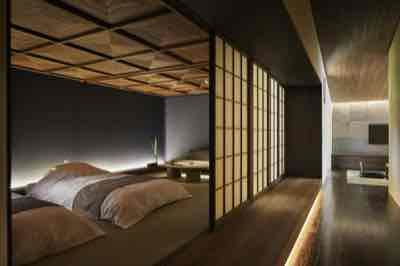
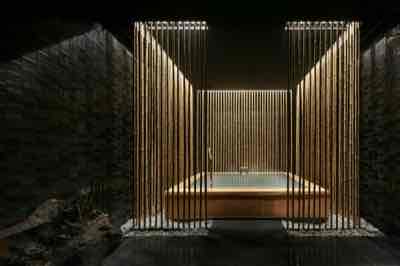
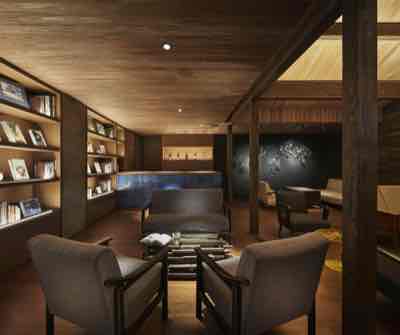
Nishiyama Onsen Keiunkan is a 37-room hot-spring inn in the Yamanashi mountains, founded in 705 AD and run by 52 generations of one family, and KI-NRT went out of his way to visit for that history. Guinness World Records lists it as the oldest hotel in the world. The onsen was sublime and the top suite impressed him, but a typhoon erased the old buildings decades ago and maglev-tunnel construction dusts up the approach, and he closes by naming smaller, more polished, better-located ryokans he would pick first. The record and the water justify the detour, and the surroundings add nothing.
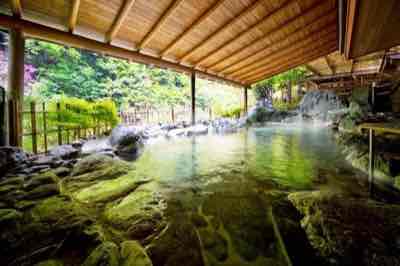
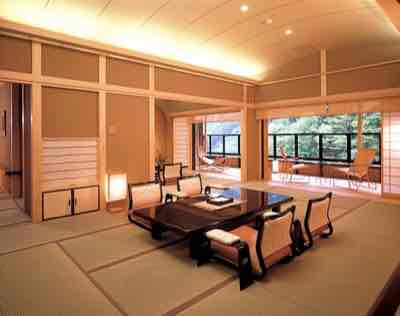
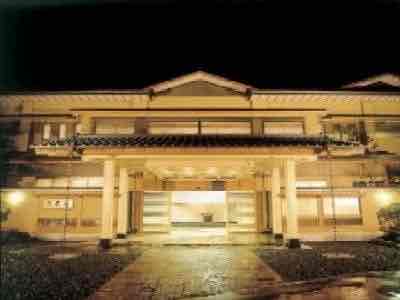
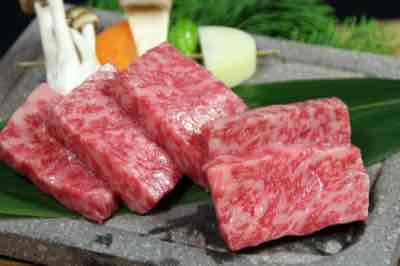
A four-room, family-run villa ryokan in Minakami, ten minutes from the better-known Bettei Senjuan, and on KI-NRT's stay it was not quite on Senjuan's level. He calls it perfectly adequate, with good but not spectacular kaiseki, trucked-in onsen water and nothing at all to do outside your room. He would be hard pressed to recommend the arduous detour just to stay here, and points anyone passing through Minakami to Senjuan instead.
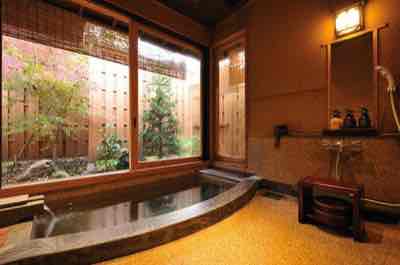
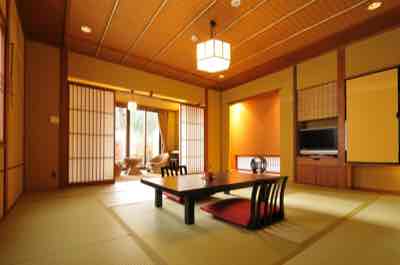
Sakurayu Sanshuyu is a seven-room ryokan in Akayu's onsen town in Yamagata, in a nondescript building along the main highway with no real garden, though it has in-room dining and special rooms like the 79m² Oyama Renge with its own open-air onsen bath. KI-NRT finds this famous Tohoku name overrated, a good property and quite cheap by luxury-ryokan standards but not worth visiting the area just to stay at. One other guest, Michaeljinnyc, called his stay completely unforgettable. It makes sense only if Akayu is already on your route.
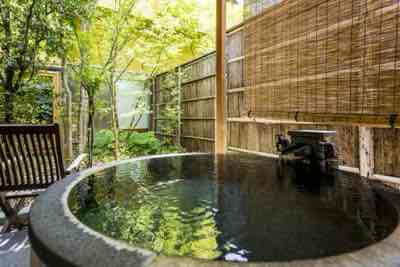
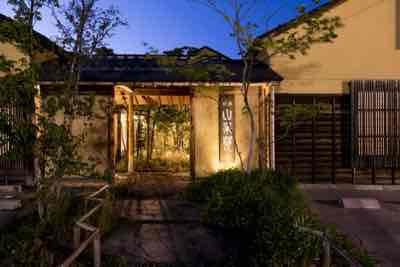
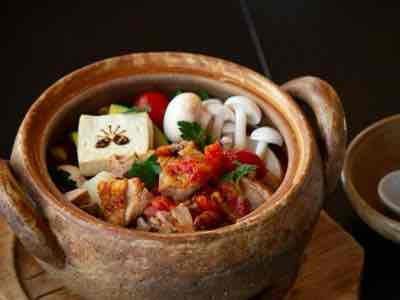
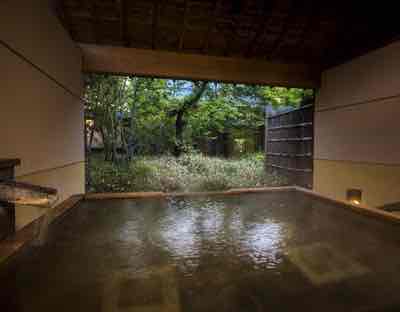
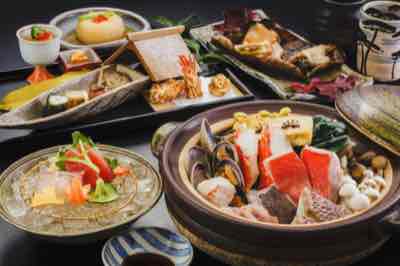
Roka is Naoshima's first true luxury ryokan (opened 2022), from the family behind Kifu no Sato, modern and artsy, and on KI-NRT's 2023 stay still a work in progress: no onsen, corporate service, rigid meal times and thin amenities around a good island kaiseki. Next time on Naoshima he would take a suite at Benesse House, which he doesn't think is a major compromise and costs a fraction of what Roka charges. Roka is worth a stay for the art island more than for the inn itself.
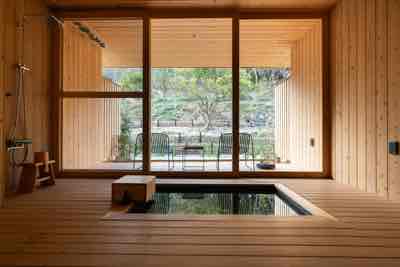
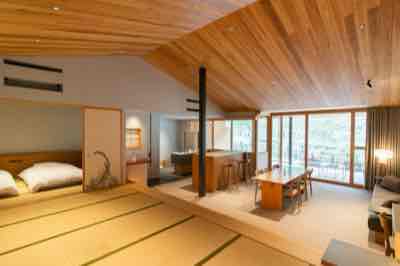
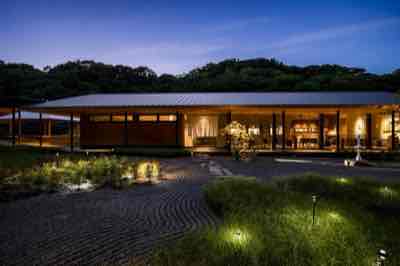
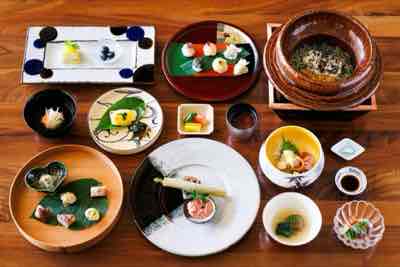
Fufu Kyu-Karuizawa is a Fufu-brand hot-spring hotel in old Karuizawa, and the one member who has stayed, OWHKG2016, arriving straight from Fufu Nikko, called it a big letdown and would not go back. The restaurant is good and Kumoba Pond is at the doorstep, but poorly trained staff and a zoo-like courtyard layout spoiled the stay. That single one-night stay is all anyone in the thread has written about it, so treat it as a warning and no more.
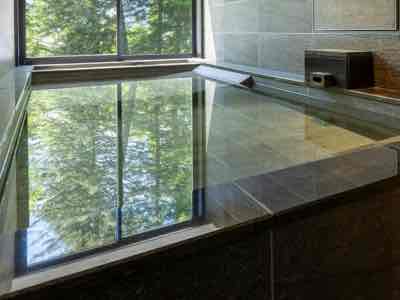
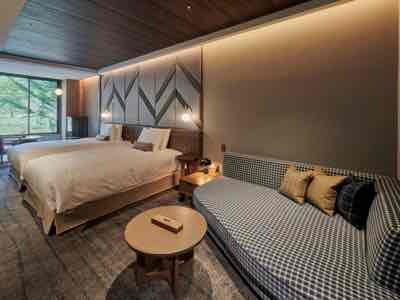
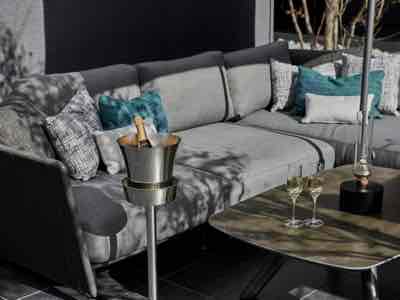
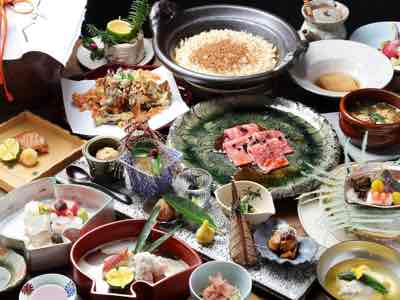
A 30-room Beppu stalwart behind a grand thatched gate, with a lovely Noh-stage garden attached to a big-box building. KI-NRT was not quite impressed on his 2022 stay, which fell mid-renovation, and later downgraded his advice to calling it solid while recommending Yufuin instead, where the ryokans are superior, and the member who followed his original recommendation in 2024 was openly unhappy. The renovation may have changed the building since, but nobody has stayed to say so.
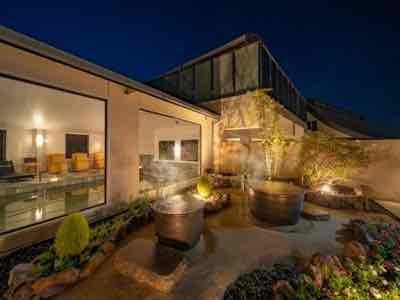
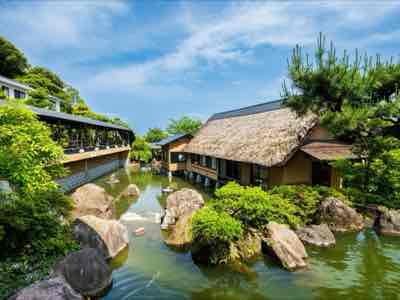
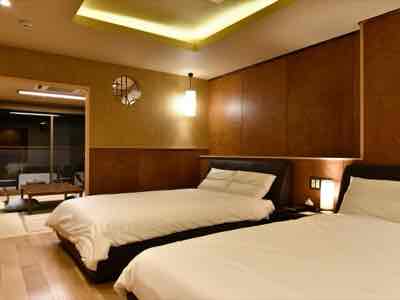
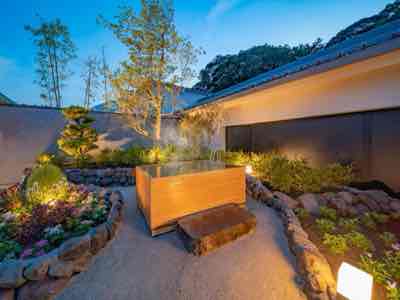
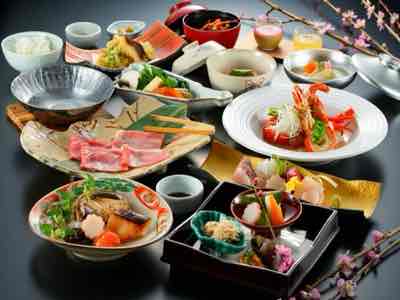
A five-room Meiji-era ryokan in the forest near Nagoya, its thatched-roof buildings recalling Shirakawa-go, but the shared, thin-walled building undermines the seclusion: a note in the room admitted the "authentic" construction has little sound-deadening, and KI-NRT heard the neighbors talking and the guests overhead walking about. Food was good, if unmemorable, and his in-room bath ran too cold to bother heating, while dining in a shared hall was the other letdown. He would explore other options before returning.
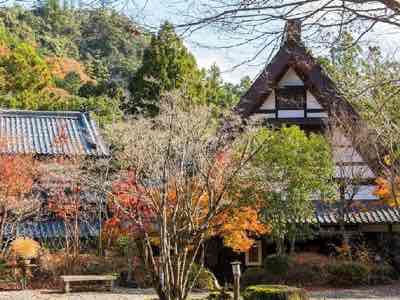
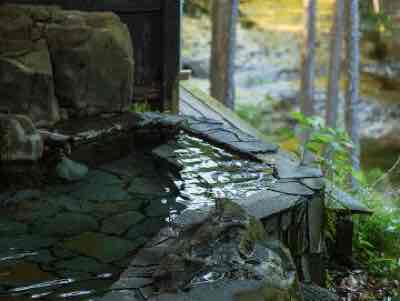
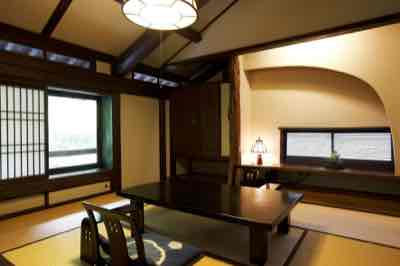
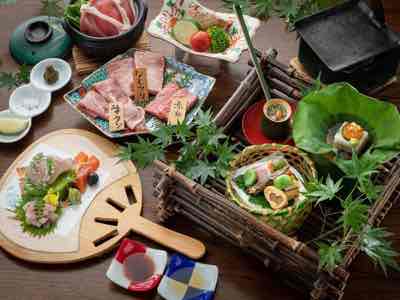
Ginrinsou is the most famous address in Otaru, an 18-room historic ryokan on a hillside above the town with perhaps the finest suite in Hokkaido, and KI-NRT still swore he will never patronize it again, after average kaiseki, staff so full of themselves that they think guests should feel privileged to be there, and a cold-handed checkout that cost him hundreds of dollars. It is about as harsh a judgment as he has published, and the treatment outside the room outweighs the magnificent Tsuru suite, which is why the property ends up far below what the room and the setting alone would suggest.
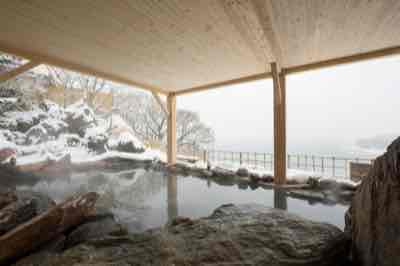
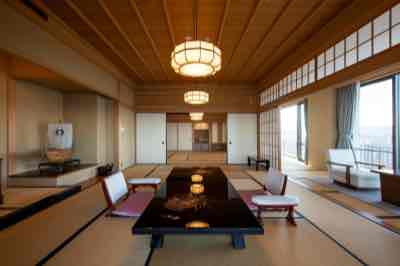
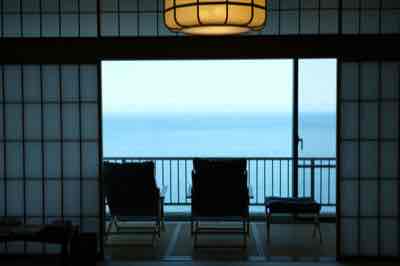
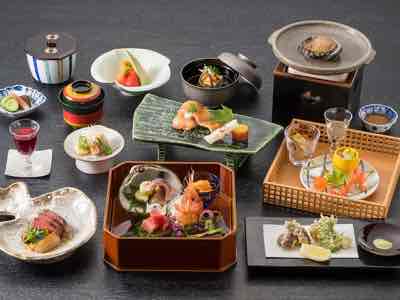
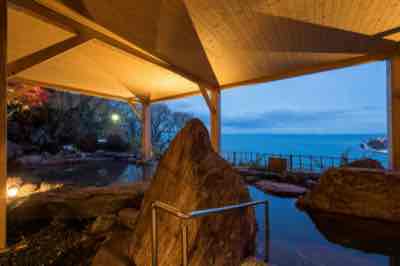
An eight-room 1927 ryokan on the Yoshii River in Okutsu Onsen, prized by Japanese connoisseurs for its water and food. On KI-NRT's stay he was the only guest, with a green, short-staffed team, and dinner was the real letdown (the house specialty, a steamed-yam custard, was incredibly bland), though he found the indoor baths very nice. He closes calling it "still a pretty good place", just not one that beat out other top ryokans for a return visit.
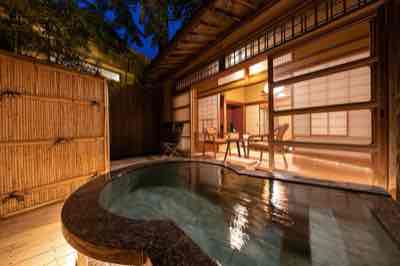
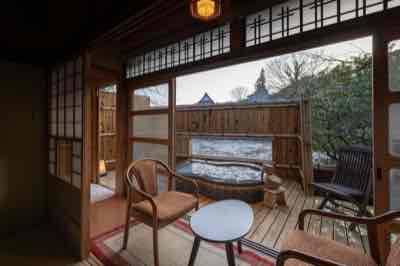
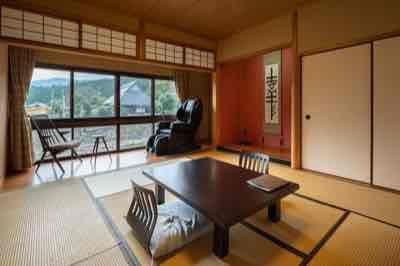
A 40-room Hoshino KAI property in Owani, Aomori, billed as a luxury onsen ryokan, which KI-NRT found to be anything but that: no greeting, no welcome tea, Western uniforms, carpeted rooms and an unattractive building, compounded by rigid two-seating dining and no laundry service. Above-average food and a shamisen performance were the only pluses, and unless there is a reason to be in the area he sees zero reason to stay again, after one stay in 2021.
A three-room auberge in the farmland of rural Toyama, where the setting is pretty and calming and almost everything else disappointed KI-NRT, who came away 'unimpressed in almost all aspects': the best of the three rooms is basic and its bathroom puts toilet, shower and sink in one space, and the French-Japanese food was only good. He would neither return nor recommend it, and the scenery alone does not justify the trip out.
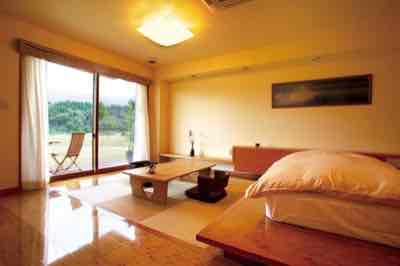
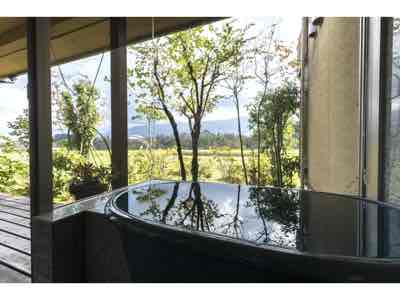
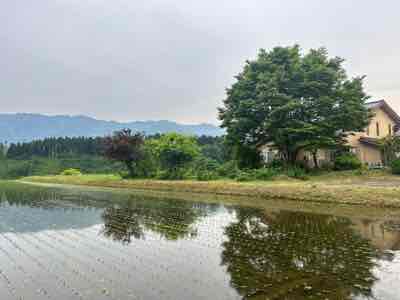
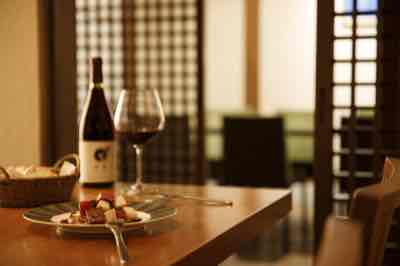
A Yugawara ryokan that is a cautionary tale about the bottom of the price range. At roughly 30,000 yen for two with kaiseki half-board, benihana320 found the service lacking and the building a little run-down, and KI-NRT's response was blunt: you cannot expect awesomeness at that price. The one stay in the thread ended in disappointment and benihana320 would not return.
A 70-room Orix-run onsen hotel in Gora that photographs like a modern ryokan but runs like a business hotel. stargold's one-night stay was not good, with dinner and its service the failure, and KI-NRT later told a poster weighing it to pass, even while granting it gets decent crowd reviews. stargold's group concluded that the Hotel Indigo, where they stayed the next night for half the cost, was a far better experience overall.
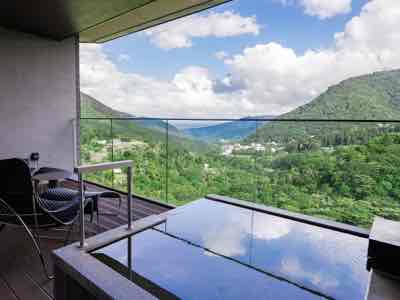
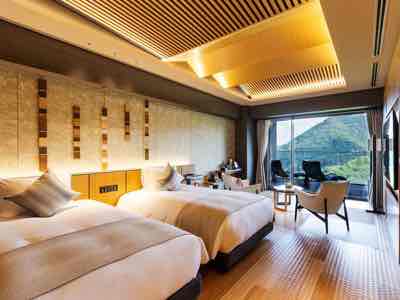
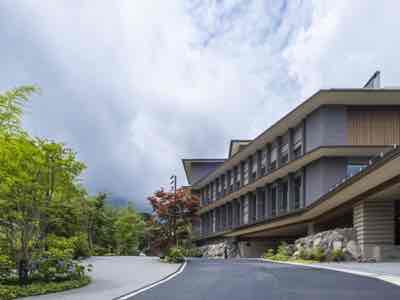
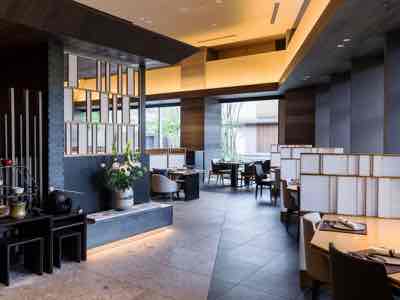
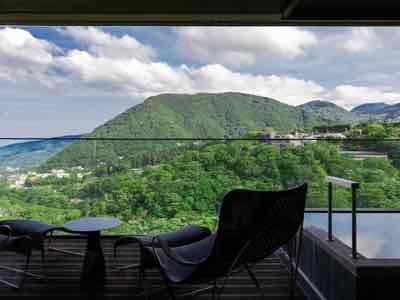
Inuyama's oldest inn, founded in 1919 on the Kiso River and rebuilt in 2017 as a ten-room house with a semi-open-air onsen bath in every room and the National Treasure castle keep on the bluff above the water. Ikyu's crowd gives it 4.87 across 155 reviews and ranks it first in all of Tokai, with bathing (4.89) and hospitality (4.88) its strongest marks and cooking (4.83) its softest. The house takes no children below elementary age, and it is about thirty minutes out of Nagoya.
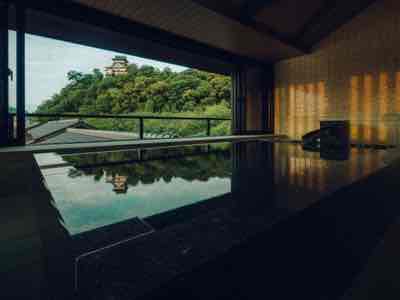
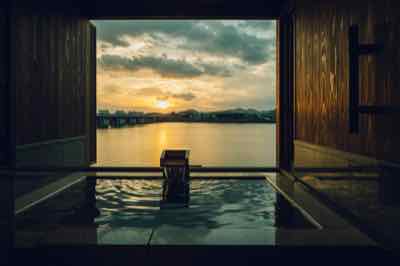
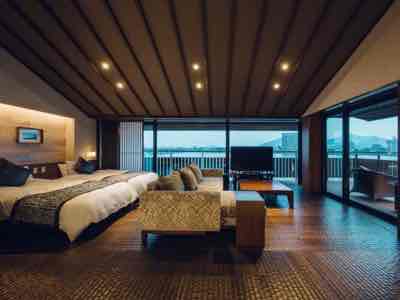
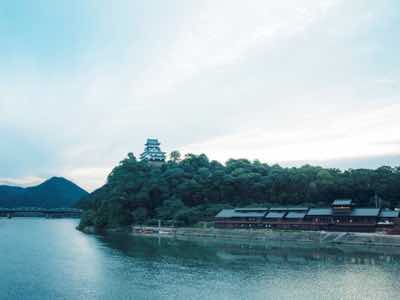
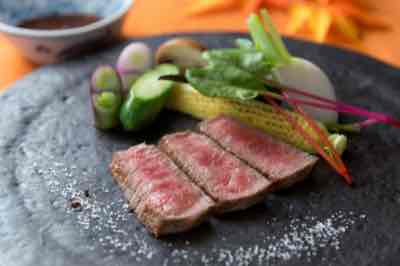
Akazawa Geihinkan is a 15-room sukiya hideaway on 1,000-plus tsubo above the Akazawa coast at Izu Kōgen, with Ajiro-woven ceilings and a private open-air bath in every room. Its signature is deep-sea water, drawn from about 800 m offshore and run through the room baths, the public baths and the cooking, and there is no hot spring, though guests get the adjoining Akazawa resort's sea-view day-bath, spa and sauna free. Ikyu guests put it near 4.73 over about 81 stays, with the baths and facilities their high marks.
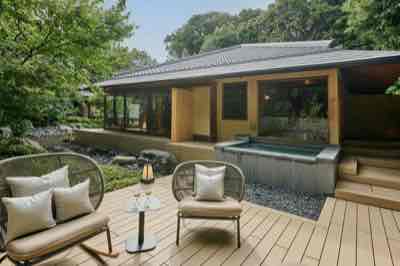
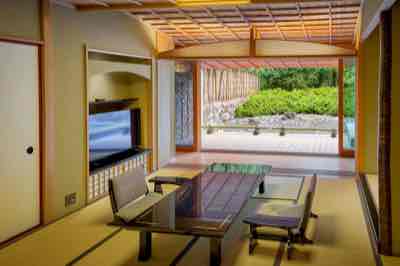
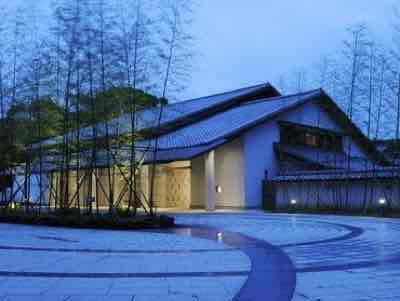
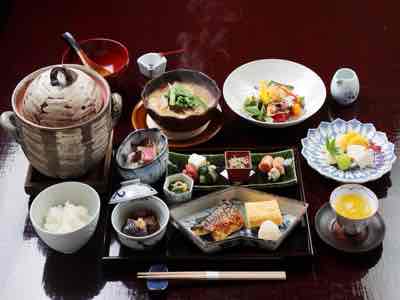
Seikai is the larger, original half of Beppu's two-inn Amane pair, and it holds the complex's big communal onsens, the French dinner restaurant and the buffet breakfast, which makes it the family-friendly counterweight to Gahama next door. Jalan guests rate it 4.8 across nearly 1,600 stays. KI-NRT has only crossed over from a stay at Gahama for its restaurant and breakfast, and nobody in the thread has written up a stay at Seikai itself.
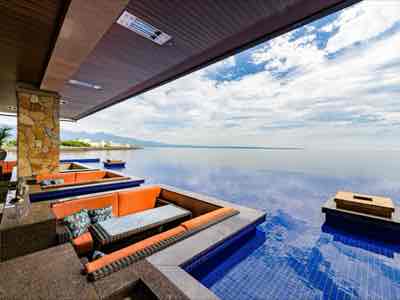
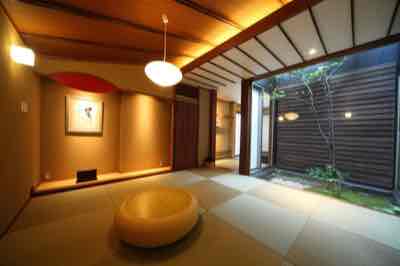
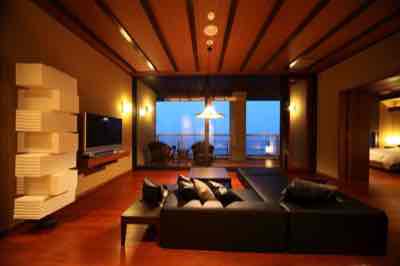
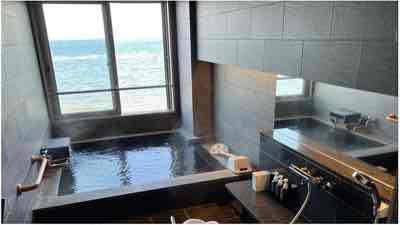

A small suite ryokan on Maejima in the Amakusa archipelago, built around in-room onsen baths behind motorized window-walls that open the whole room to the sea. Ikyu guests put it at 4.78 across roughly 170 stays and single out the rooms and the bathing as its strongest points, but the dissent is consistent: dinner is their lowest mark, and recent reviewers describe an over-worked kitchen. Nobody in the thread has stayed yet, though KI-NRT had booked the top suite for December 2025 before Tayuta lured him away.
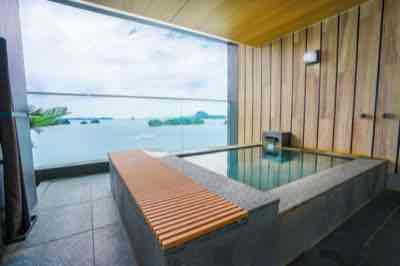
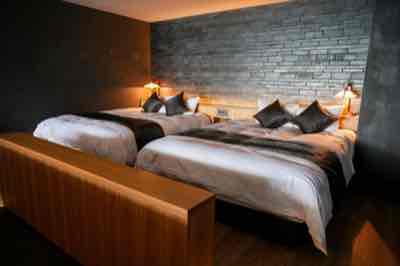
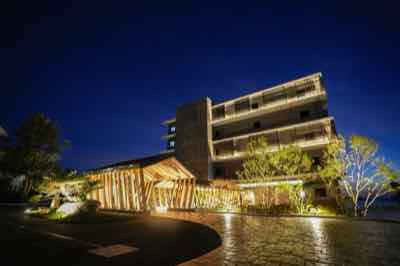
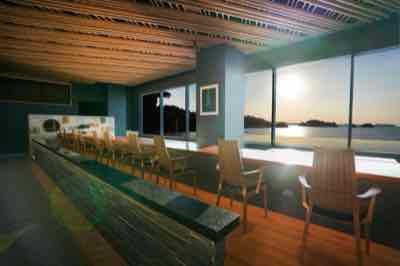
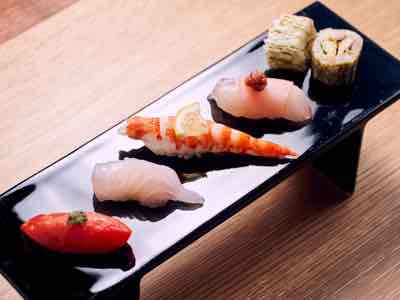
Ancient Hotel Asama is a 13-room design boutique in the Karuizawa woods with jewel-box rooms and pleasant local cooking, and at $400–650 a night it sits well below what its peers charge. Ikyu guests adore it, marking it 4.9 across 41 stays and praising warm, attentive staff, with only minor gripes breaking the consensus. KI-NRT has 'yet to find a Karuizawa stay worth its salt', and this is the affordable design pick more than a connoisseur's destination.
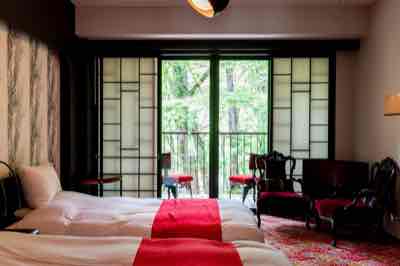
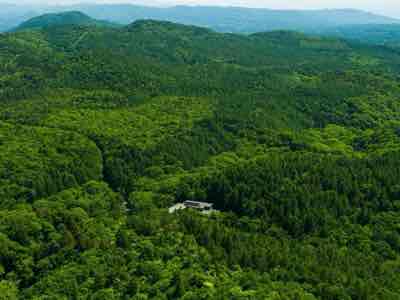
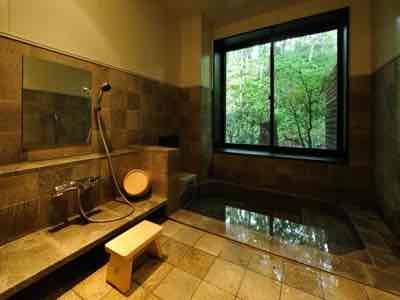
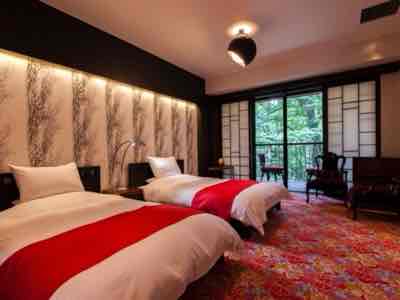
An 18-generation Yamashiro Onsen inn where Rosanjin lived for a year, with source-fed cypress rotenburo in most rooms and his art on the walls. Ikyu guests mark it 4.58 across 70 reviews and repeatedly praise the bathing and the crab-course dinner, calling the house Michelin-1-Key quality, though more than one flags service and amenities as below what the price should buy. Nobody in the thread has stayed since the renovation that began in 2018, which leaves it a historically compelling unknown.
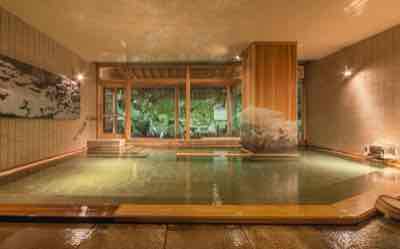
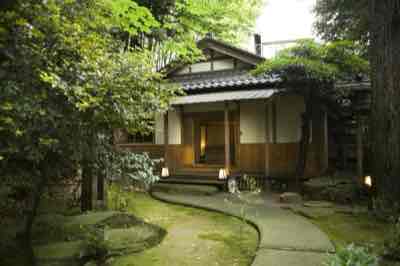
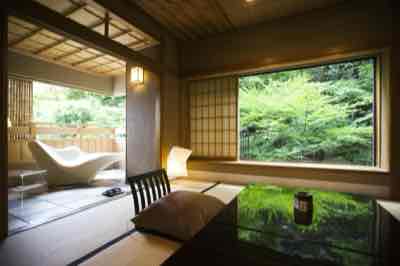
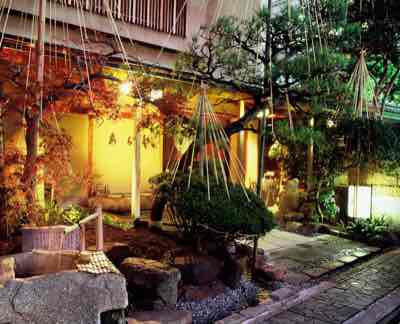
Atami Sekaie is a modern 25-room ryokan on the hillside above Sagami Bay, and bathing is its strength, with a private source-fed ocean-view rotenburo in every room plus a pool-size main bath, and the easiest access in Izu. Ikyu guests mark it 4.68 across 307 stays and mostly rave, with the bath their highest mark, while TripAdvisor's softer 3.8 cites train noise and English-service friction. The one drawback to know before you book is that the JR tracks run directly below.
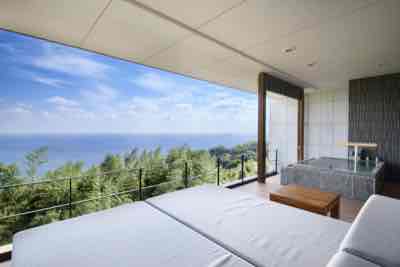
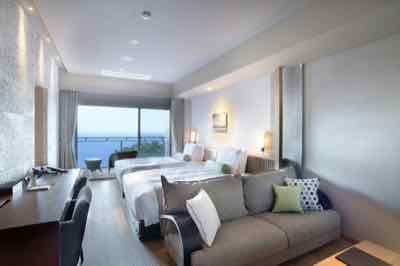
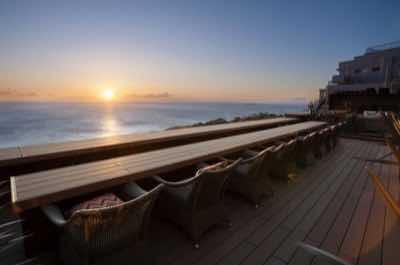
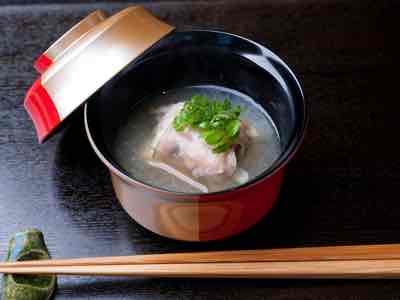
An affordable inn in Hitoyoshi Onsen, the quiet hot-spring town in southern Kumamoto where Suiranrou is the famous name and Ayunosato is the alternative when it is full. Recent stays describe a decline. Fc912's summer-2025 visit was fine for the reasonable rate but the service was seriously lacking, because most of the staff were foreign trainees who had not been trained enough, and KI-NRT's friends on their third stay found the same thing and said it starts with an okami who is not very engaging and uses her mobile phone near reception. Fc912 would not return.
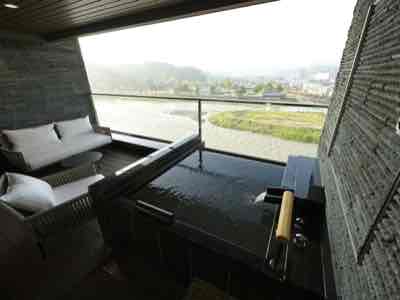
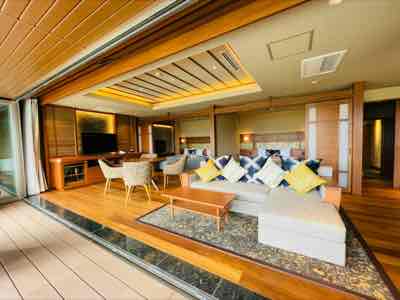
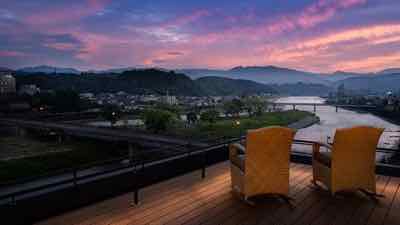
Azuma Farm Koiwai is Adrian Zecha's farm resort on the historic Koiwai Farm below Mt Iwate, with 24 Shiro Miura villas, farm-driven French-technique dinners, private sauna pavilions and deep January snow. It opened in April 2026, has under a year of operating history, and nobody in the thread has stayed yet. The villa baths are filled with onsen water and the dedicated onsen facility was slated for November 2026 at the earliest, so confirm it has opened before booking a winter stay.
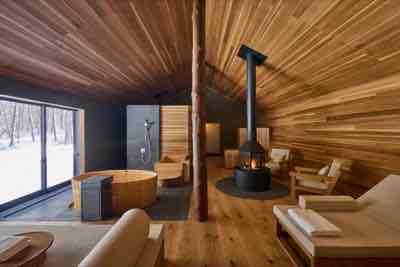
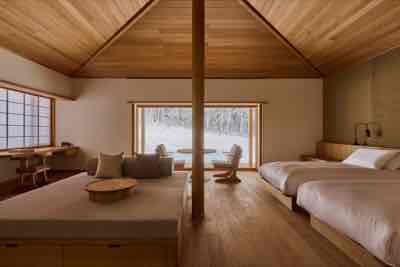
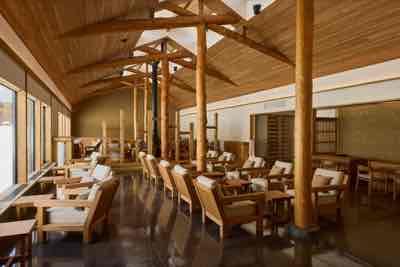
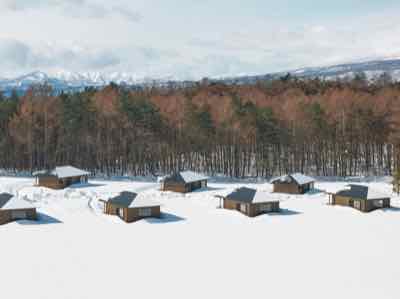
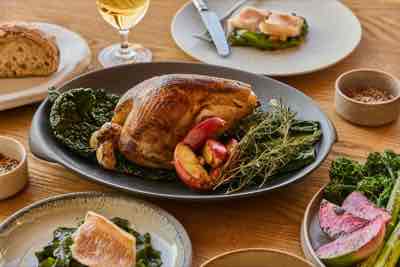
Azumi Setoda is Adrian Zecha's first Azumi, a restored 1876 salt-merchant estate turned 22-room inn on Setoda that is often cited as the bench-setter for the modern ryokan. Ikyu guests rate it 4.58 across 14 reviews and praise the French-trained chef's fusion kaiseki and the attentive staff, and the one recurring friction is group bookings at dinner. You stay for the architecture and for the slow pace of the Inland Sea.
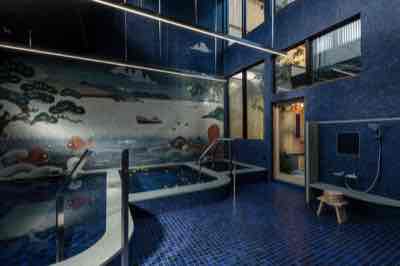
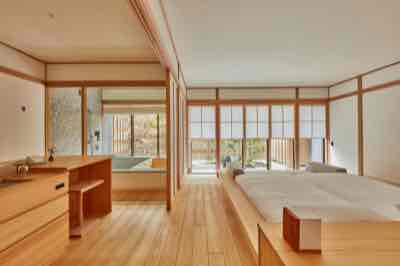
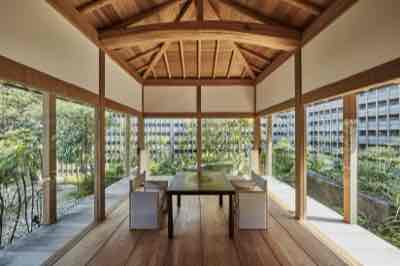
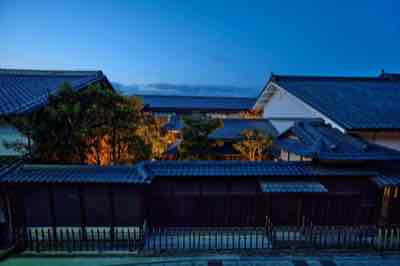
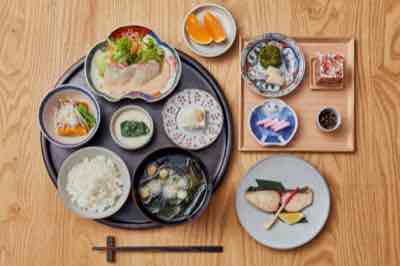
Bessho Sasa is the adults-only private-onsen-suite annex of Hotel Kaneyamaen in Fujiyoshida, where every suite gets its own Fuji-facing hot-spring bath and in-suite counter kaiseki. Its own Ikyu guests are split, and a 4.38 average over 61 reviews covers guests who question whether the premium floor is worth its price over the main hotel alongside guests who call the Fuji views and taiko welcome unforgettable.
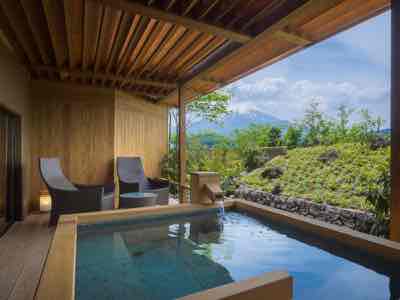
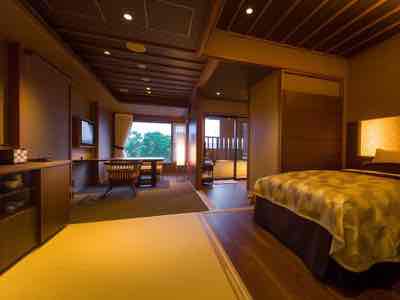
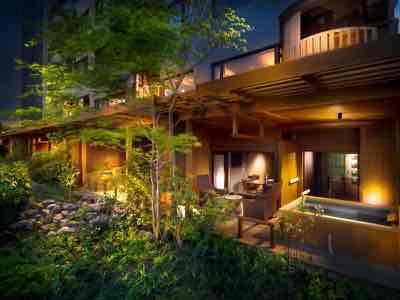
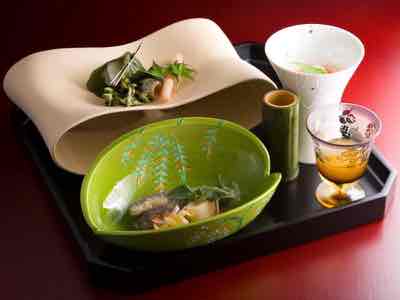
A quirky antique-furnished inn in northern Saitama that KI-NRT flags as effectively the region's only luxury option, known for reportedly incredible food, stellar service, and a station pickup in a rare Toyota Classic sedan. Nobody in the thread has stayed, and KI-NRT only relays guest feedback, but Jalan guests back the reputation, averaging 5.0 across 532 reviews and praising a homey small-hotel feel, bathing among greenery and local-ingredient kaiseki.
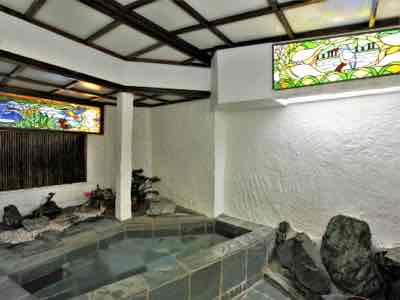
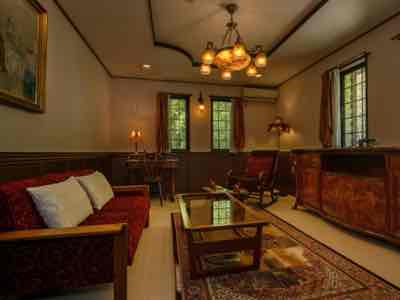
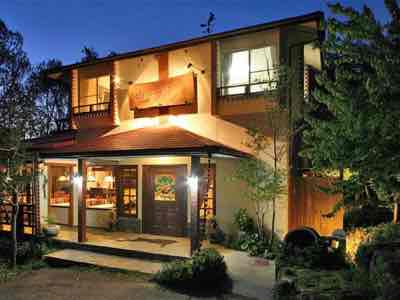
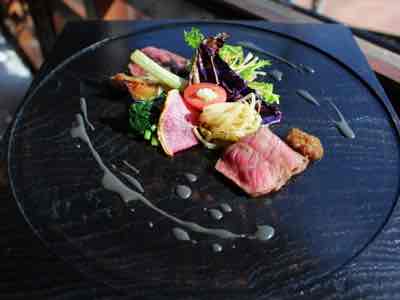
Daikon no Hana is a 52-room onsen ryokan in the Sendai area, and its strength is the water: every bath runs straight from the source with nothing recirculated, and KI-NRT singles out the rental bath surrounded by forest. He stayed many years ago and describes it as the country home-style, relaxed alternative to the pricier, more tranquil and more traditional Saryo Souen, a matter of taste between the two. Nobody in the thread has written about the food, the rooms or the service.
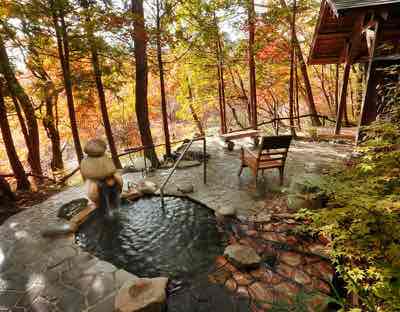
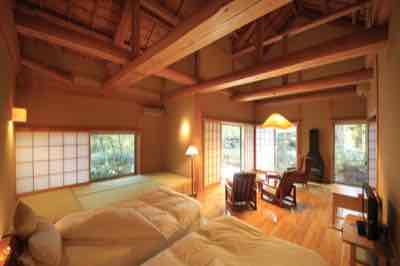
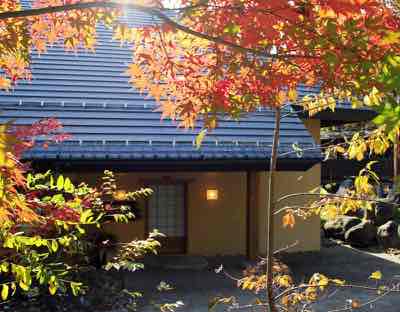
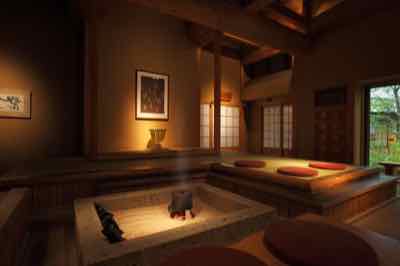
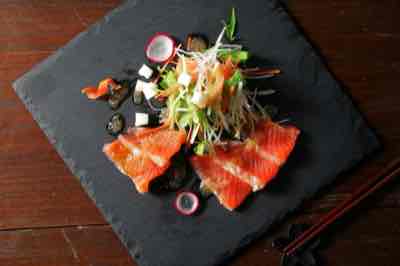
Espacio is nine villas at the bottom of a private cable car in Hakone's Dogashima river valley, with undiluted source onsen piped to every villa and saunas in most. At $2,100–$3,500 a night it is one of the most expensive stays here. Ikyu guests rate it 4.49 across a thin sample of 13 reviews, praising the arrival, the butler service and the bathing, while the two weakest reviews both question whether it is worth the price.
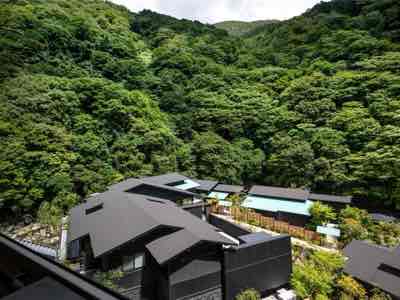
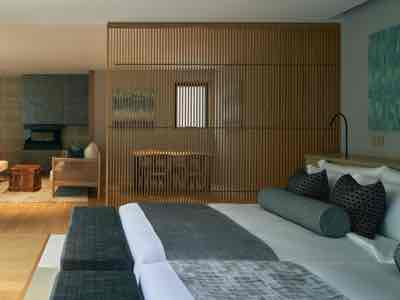
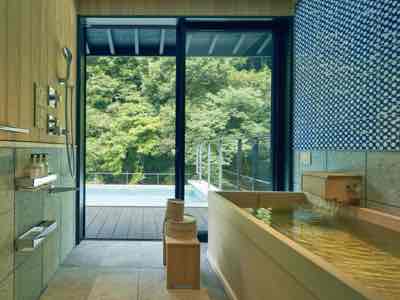
Guntû is a 19-cabin floating ryokan that cruises the Seto Inland Sea, designed by Yasushi Horibe, with a sushi bar and terrace cypress baths on the top suites. It books as a cruise instead of as a room, and at $3,750–$5,250 a night it is the most expensive stay here. The only guest reviews are on Tabelog, where 3.08 over 19 reviews is respectable on that restaurant-review scale, and the repeat passengers there praise the attentive crew and the eat-as-you-like menu. Nobody in the thread has sailed on it.
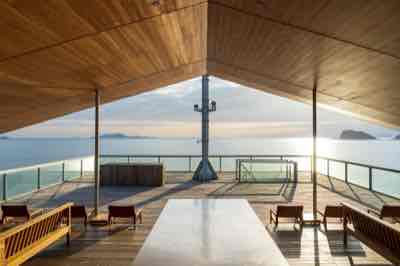
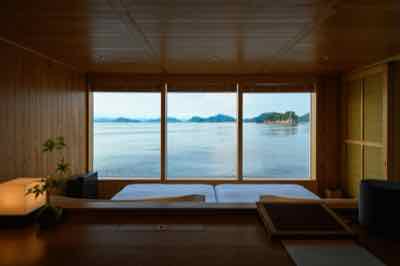

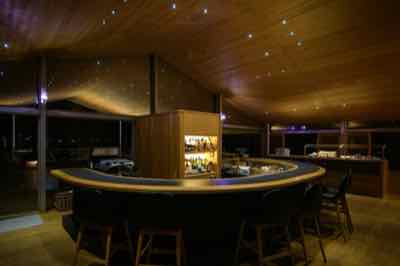
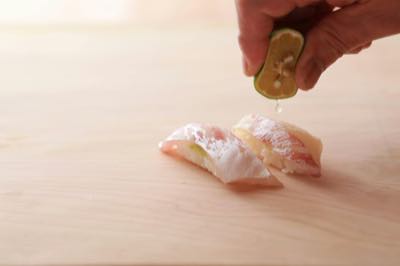
A Scandinavian-styled forest resort of 18 log-house villas in Sengokuhara, deliberately built as something other than a ryokan. Ikyu guests give it 4.03 over 34 reviews, and the reviews explain the middling number: forest quiet and the private-onsen villas draw raves, but service is the recurring sore point, with undertrained staff and breakfast lapses. It is a villa resort with private onsen tubs and makes no claim to be a traditional inn.
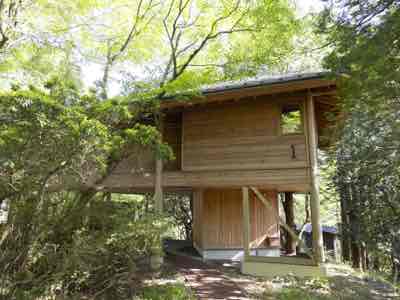
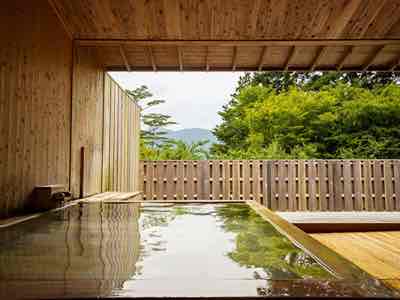
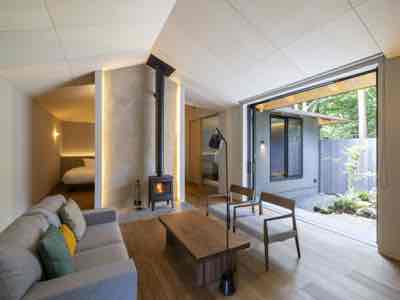
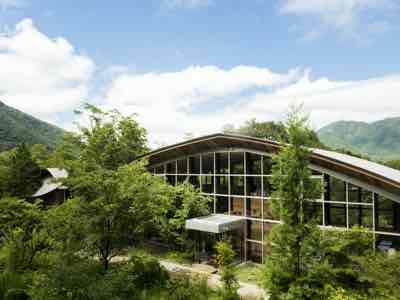
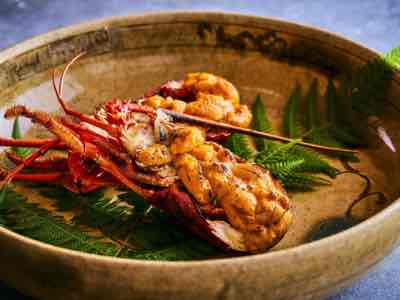
A small Arima inn where every room has its own bath of the golden kinsen spring water. The only stay in the thread is KI-NRT's from roughly a decade ago, which he remembers as pretty decent with junior-suite-sized rooms and a maybe on returning, yet in January 2026 he shortlisted Hatago first for an Arima night and found it fully booked. You stay here for the gold-spring bath in your own room; nobody in the thread has written about the food, the service or anything else.
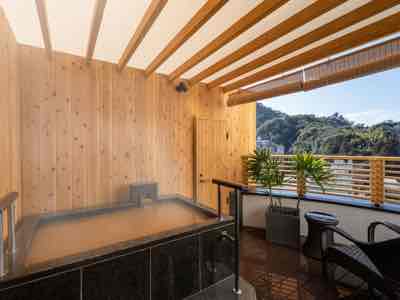
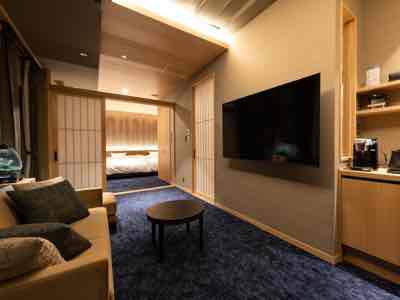
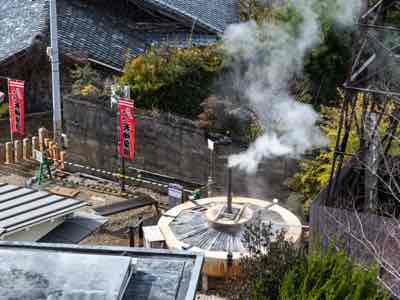
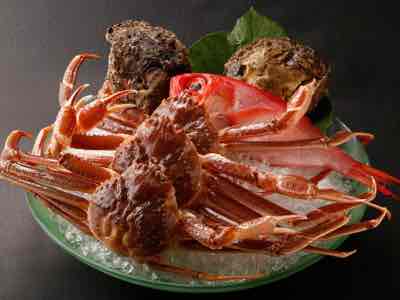
Hitotsu Notojima is Hokuriku's first sushi auberge, opened in 2023 on Notojima island in the calm inner bay off Nanao, with six sea-facing rooms, a bar-lounge along the water and a wood-fired sauna, run around a Noto-seafood sushi dinner and a sushi-chef's breakfast at the counter (drinks were all-inclusive until September 2026). There is no hot spring, and the room baths hold plain water with the bay for a view. Ikyu guests give it 4.81 across roughly 26 stays, with hospitality and cooking their high marks, and it holds a Michelin Key. Nobody in the thread has stayed here yet.
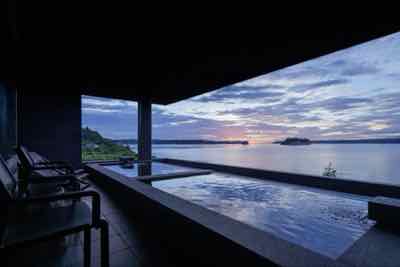
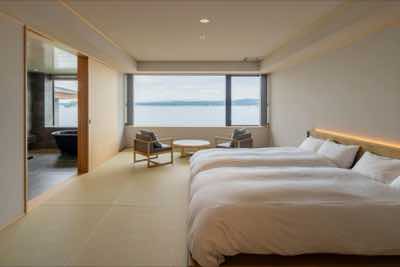
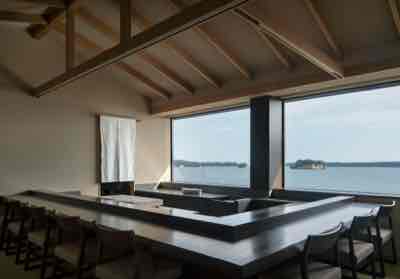
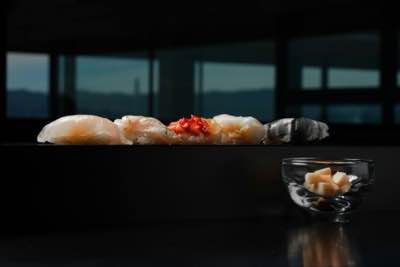
Japan's first luxury glamping resort puts 40 concrete cabins on a slope above Lake Kawaguchi, every one aimed at Fuji, with terrace living and dawn canoeing in place of tatami and kaiseki, which makes it the deliberate opposite of a ryokan. There is no onsen, just a small public bath, and Rakuten guests split on the service, some praising courteous staff and others finding some of it careless.
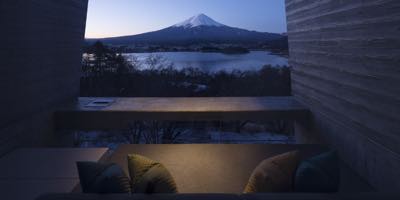
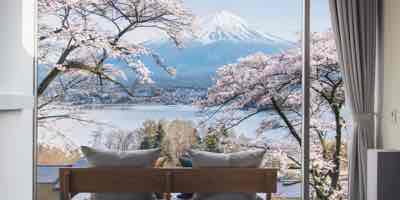
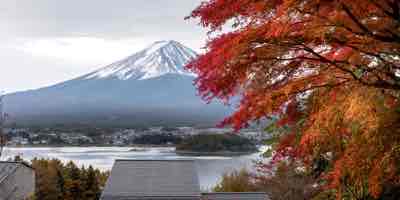
KANAYA RESORT HAKONE is a 14-room forest villa on 6,500 tsubo of Sengokuhara woodland, the retreat arm of the Kinugawa Kanaya Hotel. The kitchen is French eaten with chopsticks, carrying on the legacy of Nishi-Azabu's Seiyozensho John Kanaya, and every room has a free-flowing Ōwakudani bath, with service that guests praise as much as the food. Ikyu guests put it near 4.80 over about 103 stays, with meals, baths and service their high marks; there is no large public bath, and the building is stairs-heavy and not barrier-free.
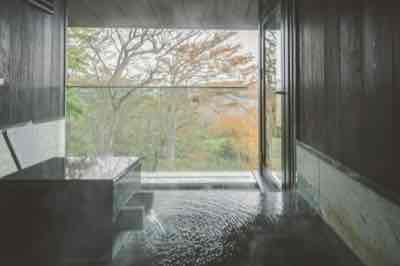
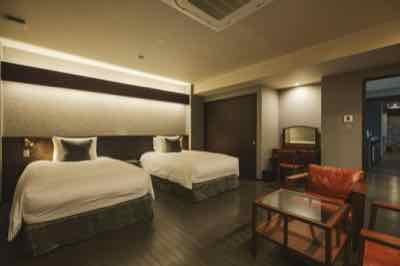
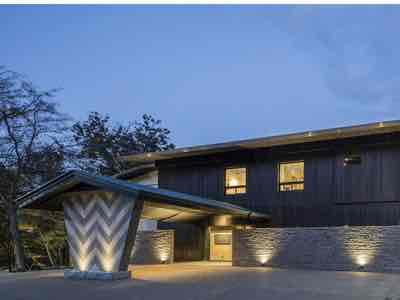
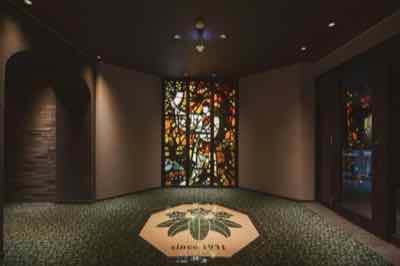
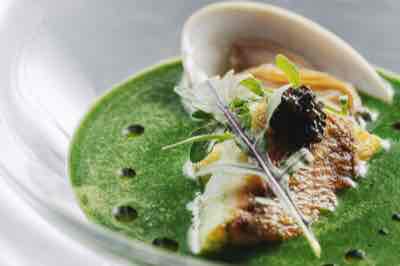
Suihuen is a fifteen-room kaiseki house on the high ground above Gero Onsen, looking across the valley to Gero-Fuji, with private open-air baths in eight of the rooms and a 'yojo kaiseki' dinner brought course by course to your own room. Ikyu's crowd gives it 4.75 across 107 reviews, and cooking (4.83) is its clear high mark while rooms (4.68) come in lowest. The inn's free shuttle takes four minutes from Gero Station, and Takayama is forty-eight minutes up the same line.
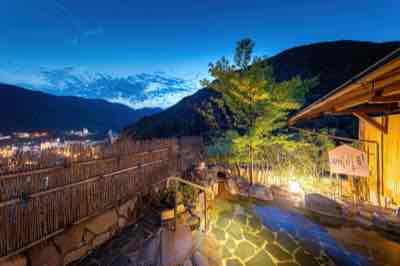
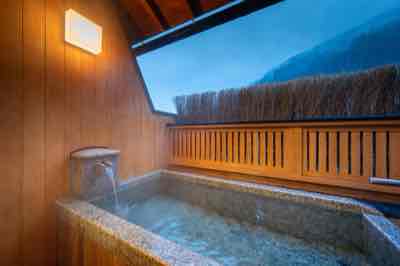
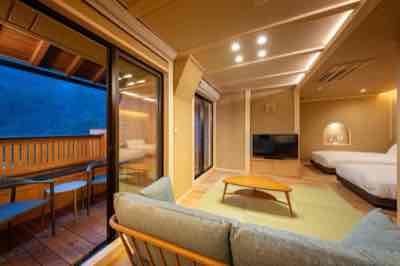
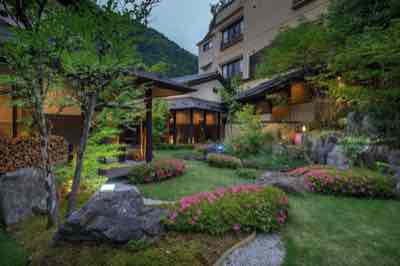
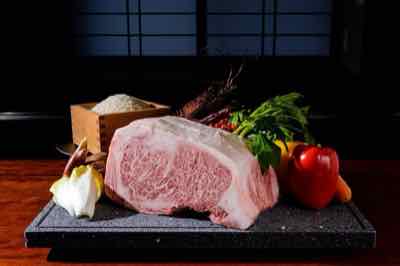
A 1921 lakeside estate on Lake Kinrin at the foot of Mt. Yufu, with seventeen rooms all built differently, garden-source kakenagashi in every tub and public rooms (a teahouse, a bar, a gramophone lounge) that guests keep writing about. It holds Two Michelin Keys in 2025, one of only twenty properties in Japan to do so. KI-NRT calls it 'the original luxury Yufuin inn' and has a return booked for November 2026. Ikyu's crowd (4.87 across 122 reviews) ranks it near the top of Kyushu, and dinner is the one softer note. Nobody in the thread has written a full review yet.
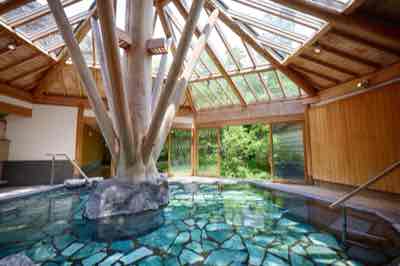
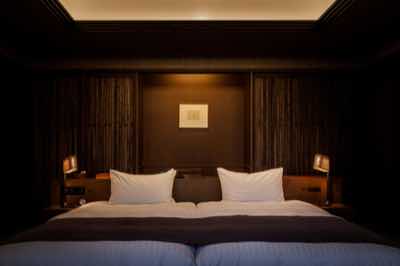
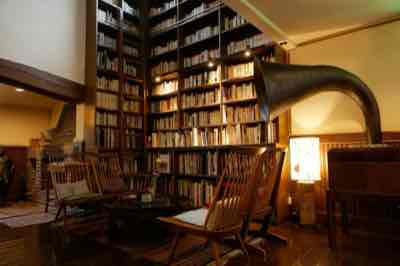
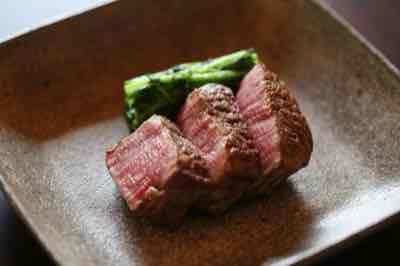
Kanshuku-en Eshikoto is an eight-villa auberge opened in November 2024 by the Kokuryu sake brewery beside its ESHIKOTO complex near Eiheiji, the Soto Zen head temple, and each is a whole-villa rental of about 103 square meters with a semi-open-air onsen bath and Echizen-craft art. Dinner is at the Michelin one-star Japanese En or the French cadre, with the house Kokuryu sake. Ikyu guests give it 4.71 across 38 stays, with the villas and the bathing their high marks and breakfast the recurring quibble. Nobody in the thread has stayed yet, though KI-NRT recommends it to anyone visiting Eiheiji.
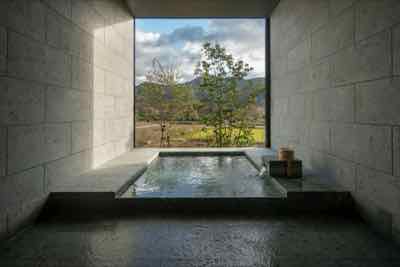
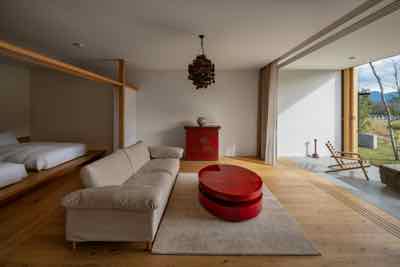
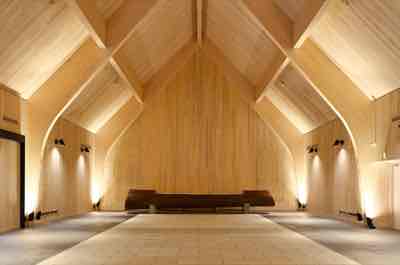
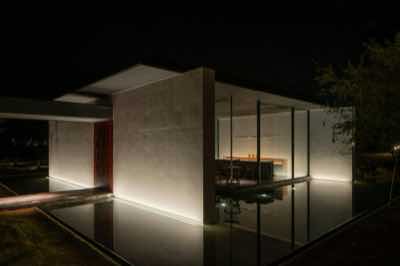
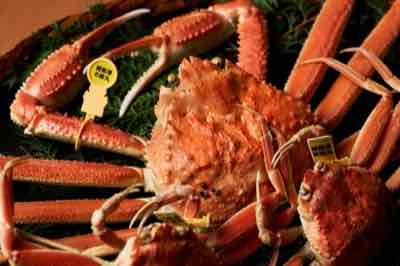
Kinnotake Tonosawa is an adults-only Hakone gorge property built around in-room open-air onsen bathing from its own alkaline spring. Ikyu guests rate it 4.51 across 86 reviews, and the reviews split sharply by floor: the 4F suites get unanimous five-star reports while the lower floors generate nearly all the complaints, and two recent reviews report a drop in staff experience and warmth. Book a 4F suite or reconsider.
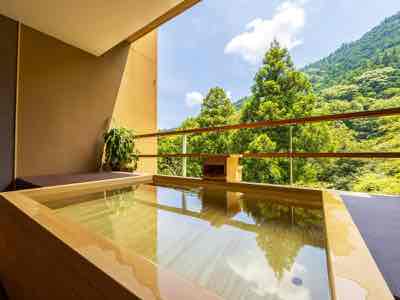
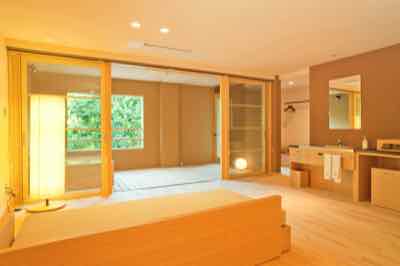
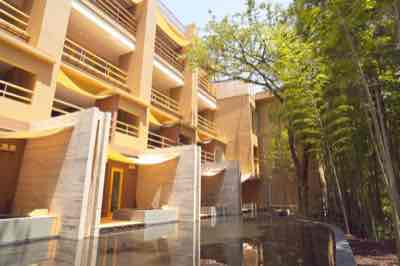
A long-established 24-room inn in Awara Onsen with a private partly open-air bath in every room and Echizen snow crab in winter, which is why most people make the trip. Ikyu guests hold it in very high regard (4.82 across 183 reviews), praising the crab kaiseki and hands-on hospitality, and the recurring caution is that the room-bath water runs very hot. It is a different inn from Beniya Mukayu in Yamashiro, which is in a different prefecture.
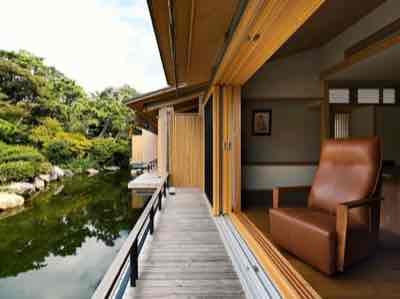
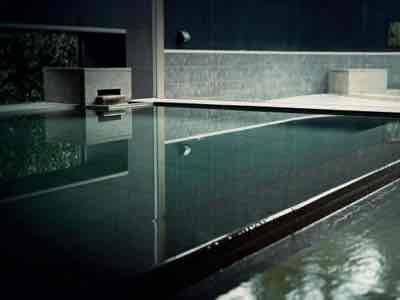
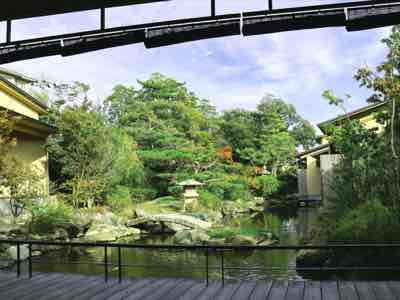
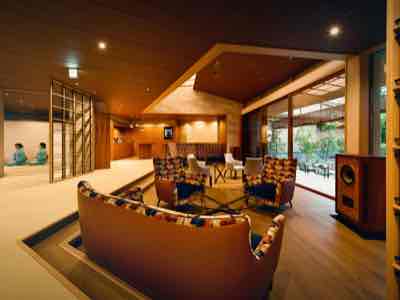
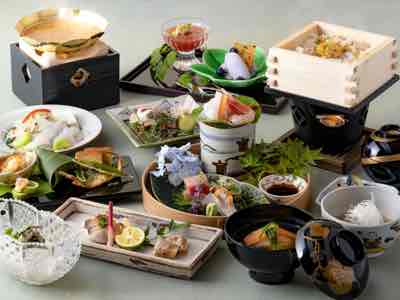
An eight-room chalet-style ryokan from 1967, the only property sitting directly on Lake Shikotsu, full of old-school charm and serving a posh Italian gourmet dinner. Michaeljinnyc, the one member to have stayed, calls it the best hotel he has stayed in in Hokkaido and would go back, but he wrote nothing about the bathing, the service or his room.
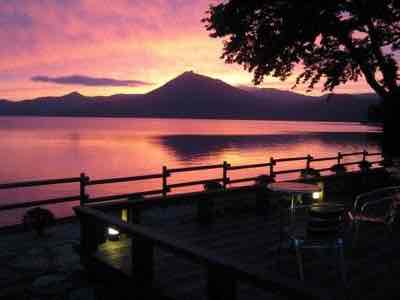
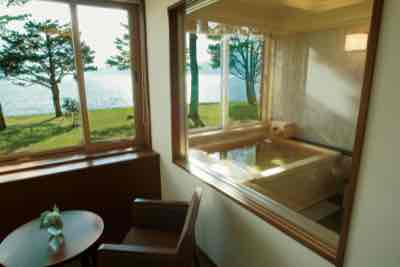
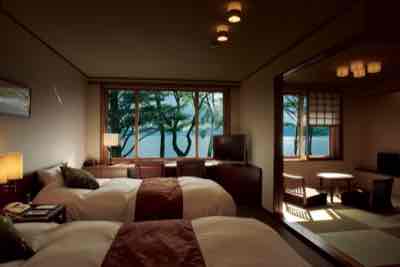
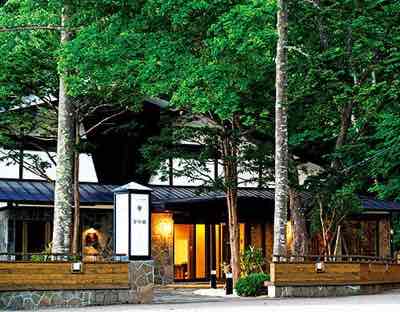
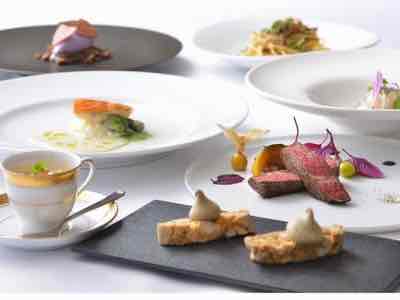
An adults-only town inn of eleven rooms a few minutes' walk from Takayama's morning market and old streets, opened in November 2024 in place of the 53-year-old Ryokan Seiryu, whose 25 rooms were rebuilt as 11, six of them suites, each with a semi-open-air bath. Around them are three private baths on the Hida Takayama spring, an all-day lounge with Hida sake and an irori hearth, and Hida beef dinners served in a warehouse annex across the lane. The Ikyu crowd gives it 4.70 over 55 reviews, with hospitality (4.84) far ahead of meals and bathing (4.58 each).
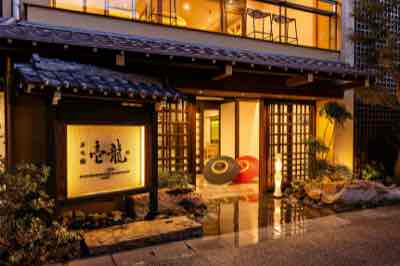
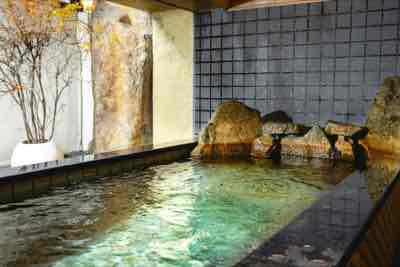
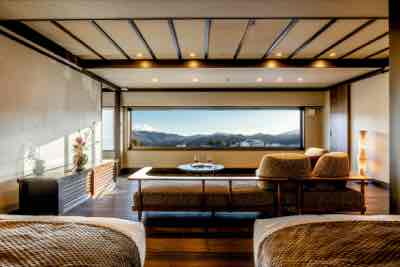
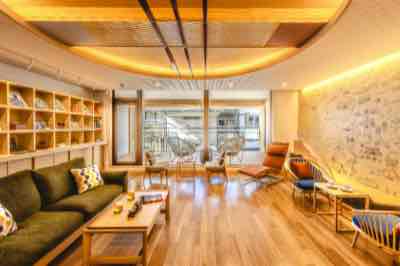
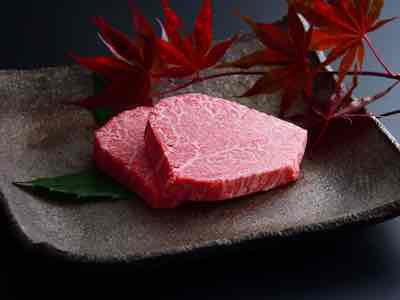
A forest ryokan in Gora (opened 2014) whose strengths are the shared facilities: three open-air forest tubs per gender fed by a second spring, a private stone sauna and a basement speakeasy bar. The crowd picture is strong (Jalan 4.9, Ikyu 4.78 across 86 reviews). Recent Ikyu reviews split on where it is heading, though: most still rate it near-perfect, while two 2025-26 stays sense the service sliding toward ordinary. Book a bedroom-plus-tatami or a deluxe room and avoid the 30 m² studios.
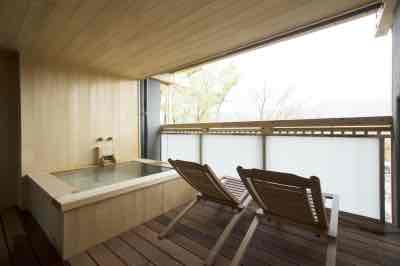
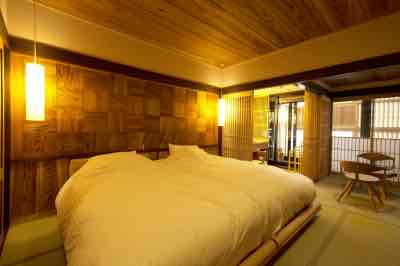
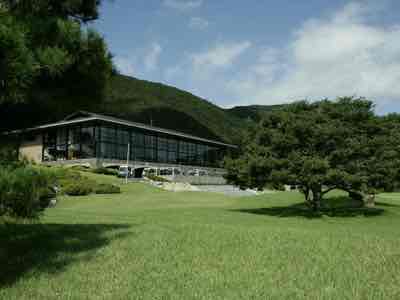
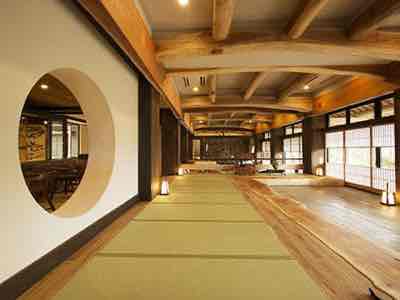
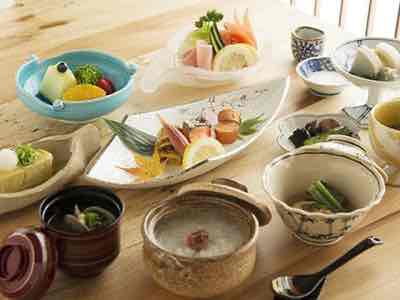
Meigetsuso is twenty detached sukiya villas on a wooded hillside above Kaminoyama Onsen, fifteen of them with their own open-air rotenburo, and it runs as an in-room Yamagata kaiseki retreat with hiba-cypress communal baths. Ikyu regulars rate it 4.77 across 39 reviews and call the food some of the best of all their stays. Winter access over the Itaya pass is prone to snow delays.
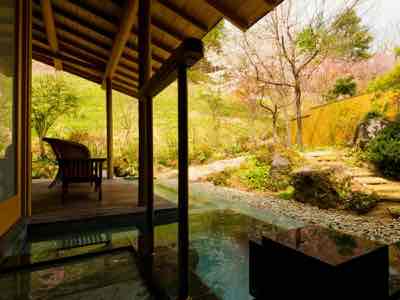
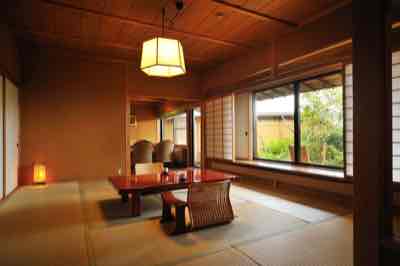
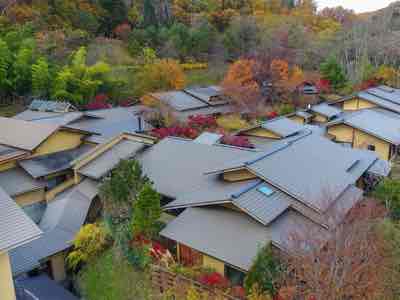
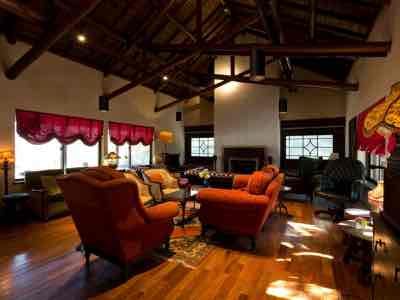
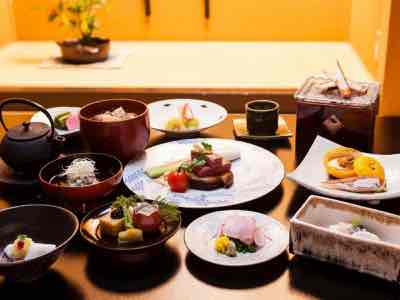
A heritage onsen inn at an Izu river confluence, built around a bath-and-sauna complex inside 90-year-old architecture. It holds a Michelin 1-Key, and is #1 of 47 in Izu on Booking at 9.4 and 4.64 across 101 Ikyu reviews. The recurring complaint is service short of the price. Book by room name, because only four rooms have private open-air onsen, and note that the rebuilt thermal spring now runs mixed-gender in bathing wear.
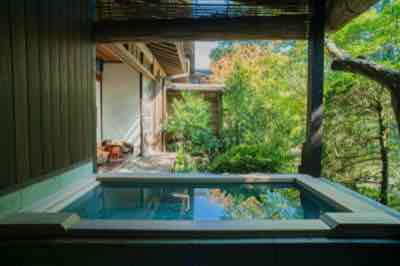
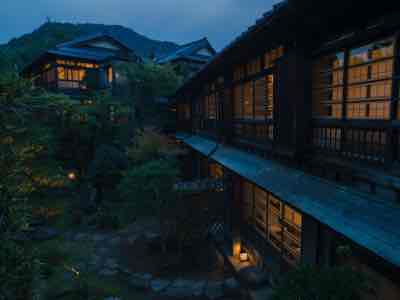
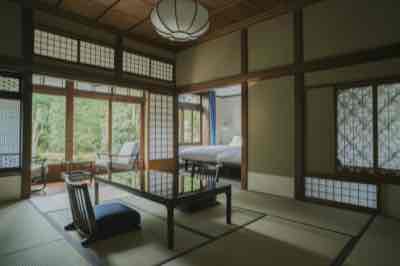
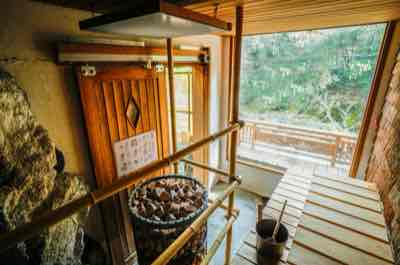
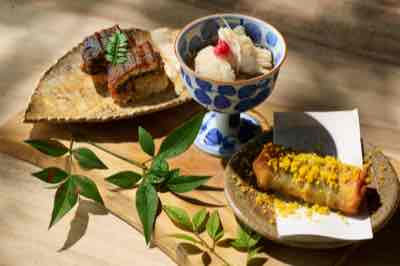
Hoshino's Bellini-designed alpine-village resort at Yatsugatake has 172 rooms, a design pool and wine education around a 2,000-bottle cellar, and it is family-friendly and lively, the counterpoint to the quiet inns, at the bottom of its price class at $300–600 a night. The Ikyu crowd (4.32 across 74 reviews) is lukewarm and pool-shy, marking the bathing weakest at 3.69 against food's 4.62, and couples without children should expect a resort run for families.
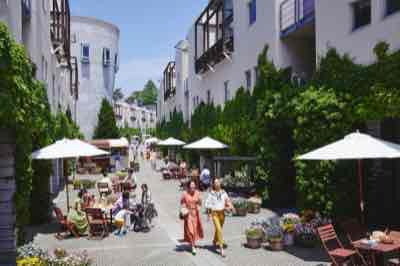
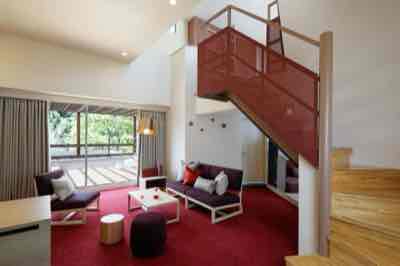
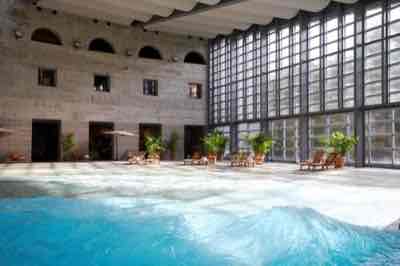
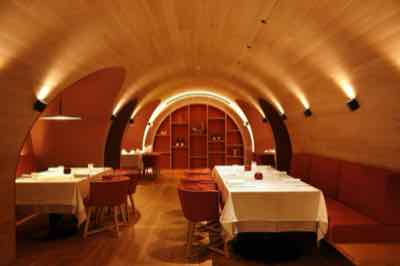
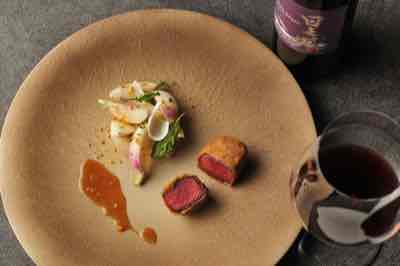
River Retreat Garaku is Toyama's design showpiece on the Jinzu gorge, with Hiroshi Naito architecture, serious art, in-room onsen-and-sauna suites and a French restaurant, and nobody in the FlyerTalk thread has stayed here. The kitchen holds a Michelin Green Star, and Ikyu guests rate it 4.63 across 89 reviews and describe a strong art-and-dinner stay, though a recurring minority calls the aesthetic self-indulgent, the bathing ordinary and the staff inexperienced. It is a promising design-and-sauna stay, but an unproven one.
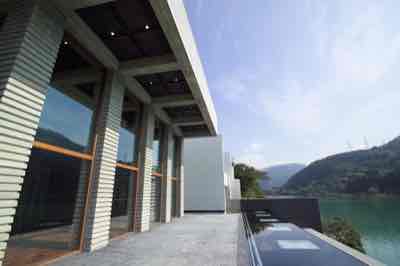
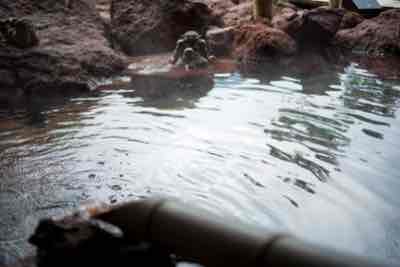
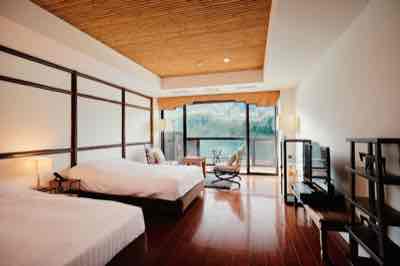
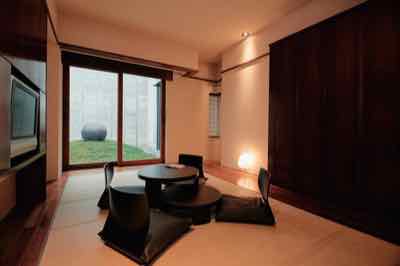
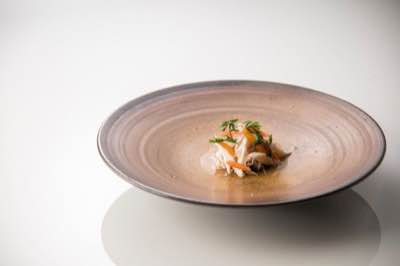
A two-rooms-a-night micro-auberge run by the 98WINEs winery above Katsunuma, Japan's first inn with an in-house winery and craft brewery, pairing soba-kaiseki with the maker's own back vintages. Ikyu guests describe it uniformly enthusiastically, praising the Fuji views, personal hosting from the owner, and inventive food, with roughly 40% returning within a year. It is best slotted as a single wine-centric night for the drinking-and-dining concept, which strong crowd sentiment backs up.
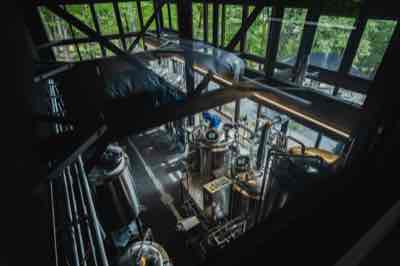
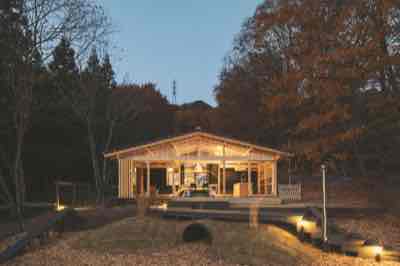
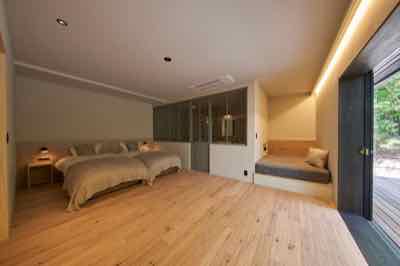
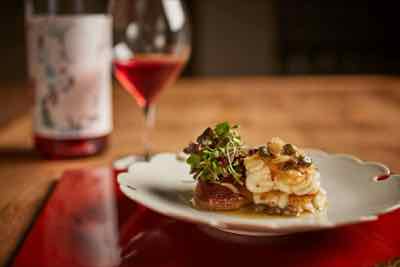
A tranquil, traditional ryokan near Sendai that KI-NRT names on his Tohoku recommendation list and calls a matter of taste against the larger, homier Daikon no Hana, while flagging it as quite a bit pricier. He stayed, but many years ago, and left little beyond that one impression of the atmosphere. Ikyu guests have more to say, putting it at 4.62 overall with the baths at 4.77, and their reviews return to the garden, the detached rooms and the attentive hospitality.
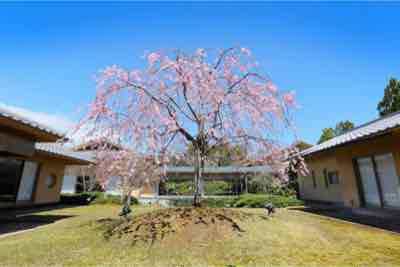
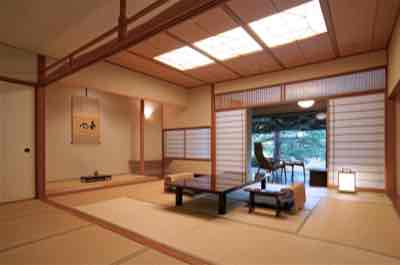
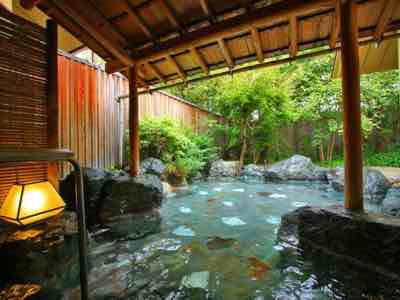
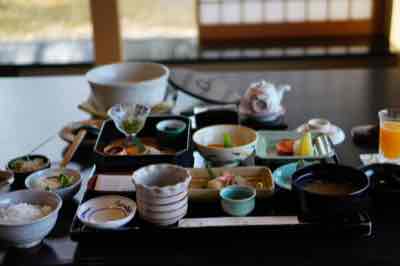
Seiryuso is a classic garden sukiya inn at the bottom of Izu with a seafood kitchen and a one-of-a-kind spa (own-source onsen plus Japan's oldest Kelo sauna, a Thermarium and an onsen pool). Ikyu guests rate it 4.66 over 75 reviews, with recurring niggles about weak shower pressure and a dated, stairs-heavy building.
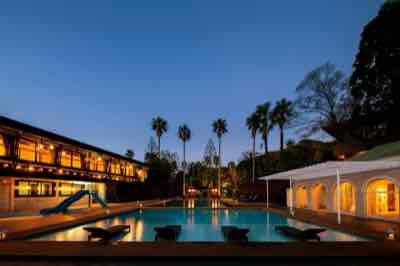
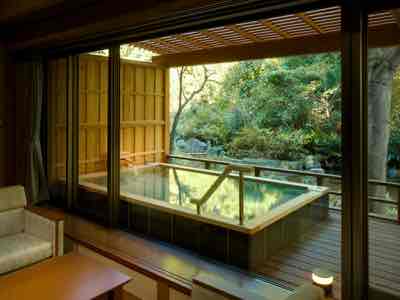
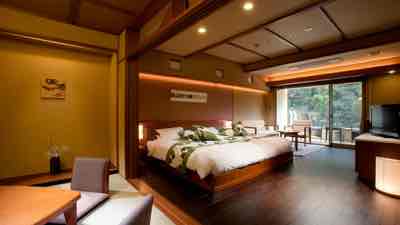
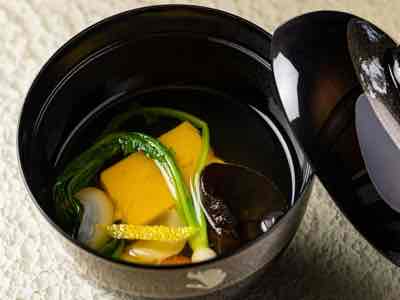
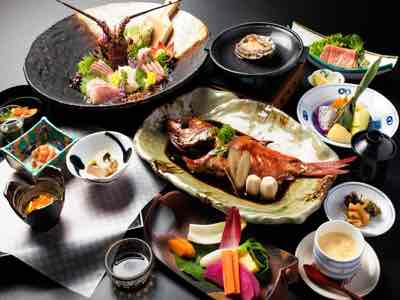
A quiet nine-room retreat on the wooded slope of Mt. Wakakusa above Yugawara, a former villa dressed with antiques and local artists' work, with wide views to Mt. Iwato and the Jukkoku Pass. Its own free-flowing spring feeds the public baths and the in-room kakenagashi tubs in seven of the nine rooms, and the kaiseki leans on Sagami Bay seafood, with the Manazuru abalone course as the seasonal centrepiece. Ikyu guests rate it 4.77 across 51 stays, the rooms and the cooking their high marks. Nobody in the thread has stayed yet, though KI-NRT counts it with Yui as Yugawara's two top luxury inns.
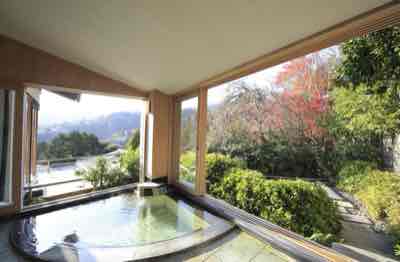
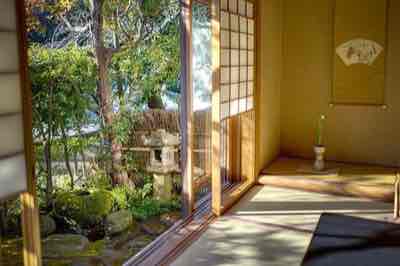
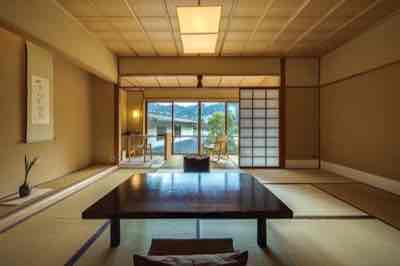
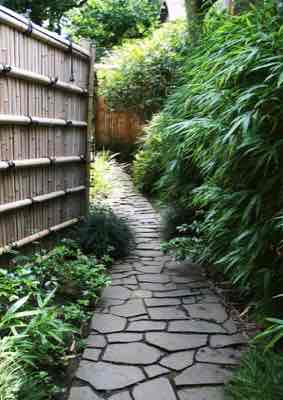
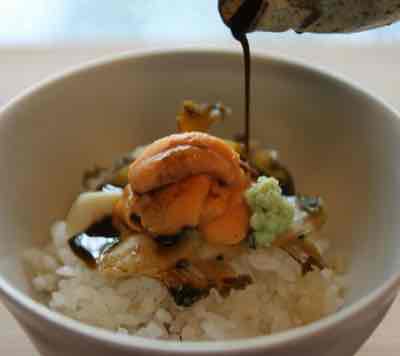
Sengokuhara COCON is a five-suite small-luxury auberge opened in February 2024 in the Sengokuhara highlands of Hakone (800 m, on a 1,000-tsubo garden), where each suite has an in-room Owakudani onsen plus its own dry sauna and cold bath, and dinner is a modern French menu poured with free-flow champagne. A rotating 'stay & art' program dresses the rooms and the gallery. Ikyu guests give it 4.87 across some 140 stays, with service their highest mark at 4.94. Nobody in the thread has stayed here yet.
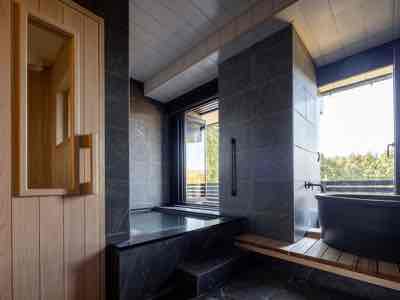
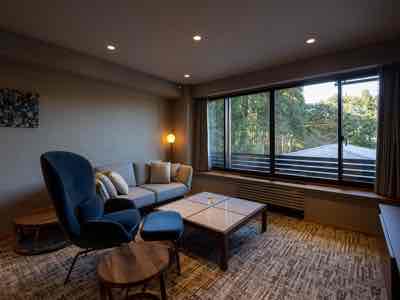
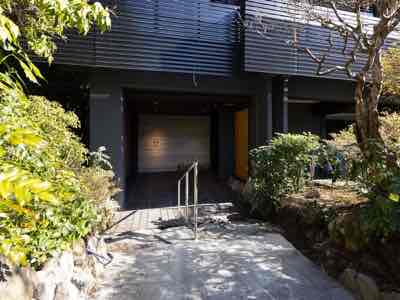
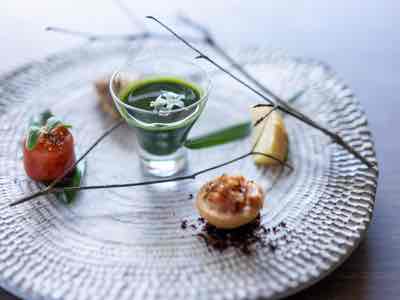
A Toba seaside ryokan known from a single 2018 member stay, which ruby&carlos recalled as quite nice and definitely in the luxury category, with great views, good food that stopped short of spectacular, and strong value at the price she paid. She posted to ask what the thread's two-to-three-times-pricier inns offer over it, and with no second stay in the thread the impression stays a thin one, comfortable and no more than that.
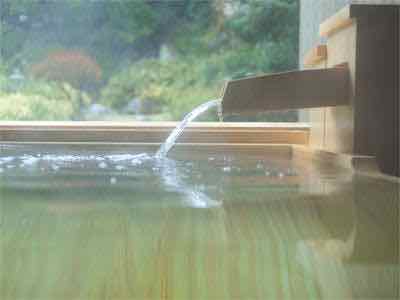
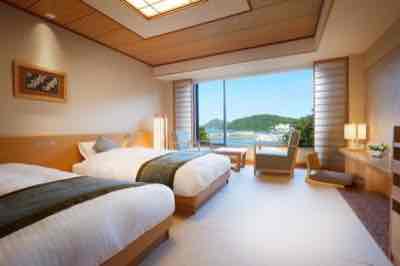
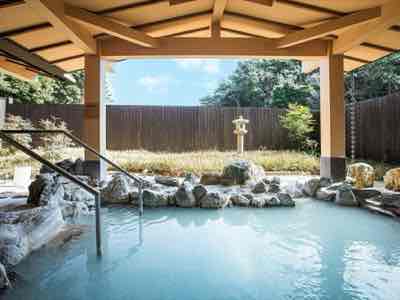
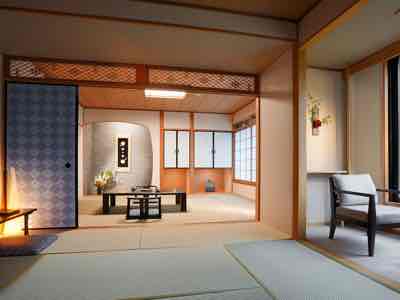
A five-room inn re-opened in 2024 a five-minute drive from the Jigokudani snow-monkey park, with large in-room onsen baths (bigger than Takinami's, by KI-NRT's research) and dinner served in-room or in private rooms. Ikyu guests put it at 4.86 over 90 reviews and mostly rave, though a minority found the kaiseki unmemorable and the main bath a walk to the older sister property. It looks promising, and the crowd largely loves it.
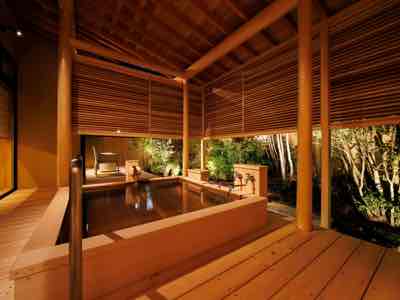
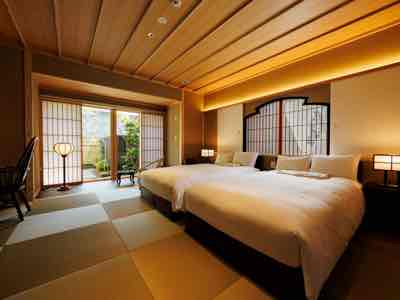
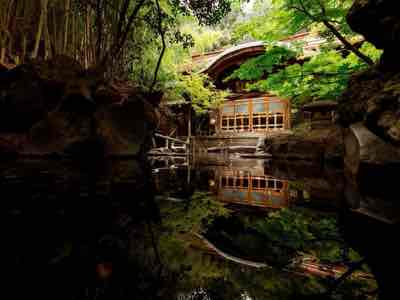
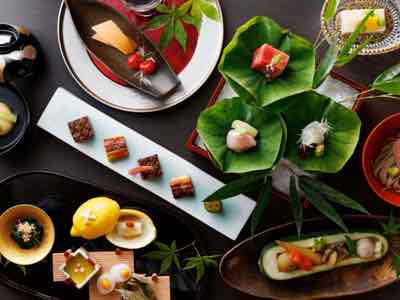
Twelve detached villas scattered through trees at the foot of the Suzuka range, opened in July 2020 as the annex of Aqua Ignis. Each villa is built around a single material (earth, stone, wood, lacquer, washi, glass, iron) with the art chosen by the ceramicist Koichi Uchida, every one has a free-flowing open-air onsen off a 43°C spring on its terrace, and two villas have added a hinoki sauna and cold plunge. Dinner comes from the Aqua Ignis restaurants a shuttle away. The Ikyu crowd gives it 4.67 over 85 reviews, with bathing and service high and the meals softer.
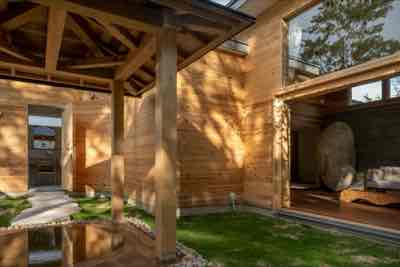
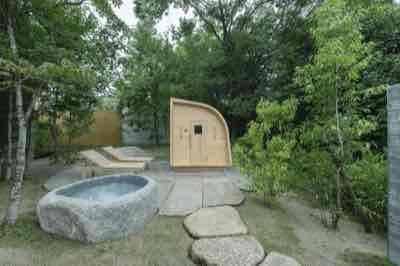
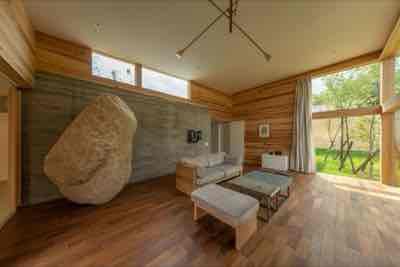
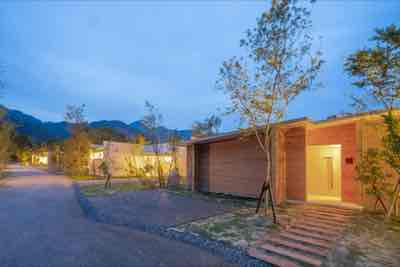
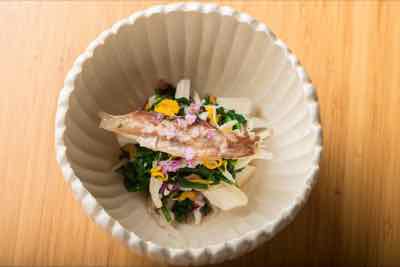
A rustic bath destination in Minakami and no luxury ryokan, which SeamasterLux, the one member who has stayed, says himself ("not luxurious by any means") while calling it a wonderful experience he would repeat, all for the large riverside mixed-gender rotenburo. The river runs through the middle of the property with the open-air baths along its banks, and the baths are why people come, since nobody has praised the rooms, the food or the polish. The soak in an extraordinary place is the memory he took away, and the inn around it is beside the point.
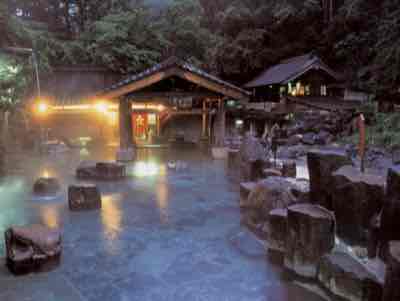
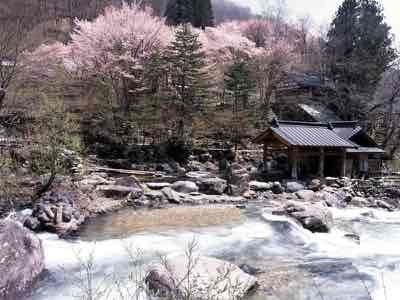
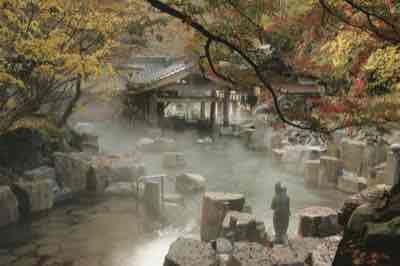
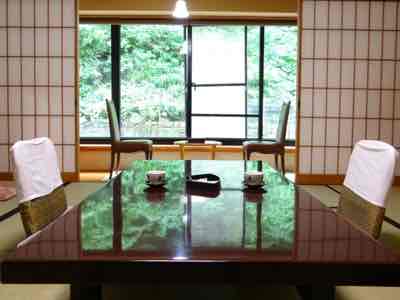
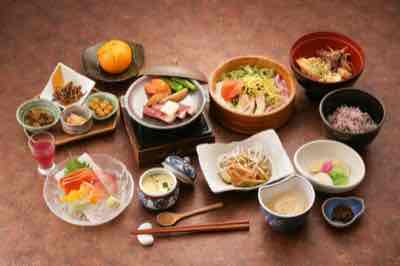
Tamakiya is an eight-room food-and-sake auberge in snowbound Matsunoyama, built on chef Akira Kuriyama's terroir French and the owner-sommelier's sake pairings, with in-room source-fed saline baths, though rooms run small for the price. The restaurant holds a Michelin star from the 2020 Niigata guide. Ikyu guests praise the pairing and the solo-friendly hosting while marking food and rooms softer, and the solo fallback shabu-shabu course divides them. You stay here for the kitchen.
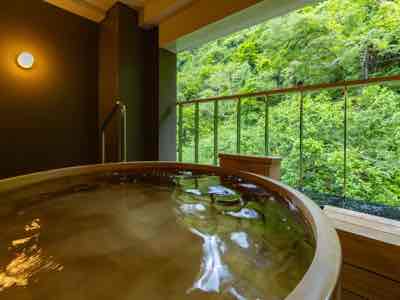
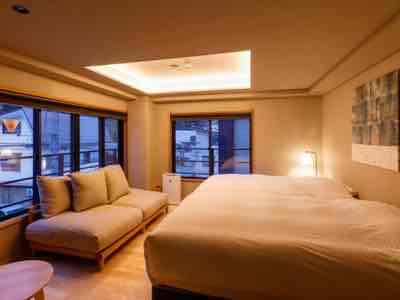
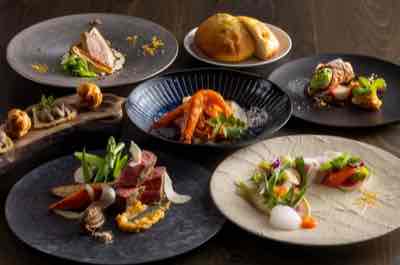
The Hiramatsu Karuizawa Miyota is a French auberge that opened in 2021 at the foot of Mt. Asama near Karuizawa, built around the food pedigree of Hiramatsu's Tokyo restaurant and an in-room onsen bath in every room (the water is brought in from Ueda). It holds two Michelin Keys, one of only 20 hotels in Japan with that many. Nobody in the FlyerTalk thread has stayed, but Ikyu guests are vocal at 4.7 over 137 reviews, praising the rooms, the bathing and the staff, while the kitchen, which the property is built around, draws the sharpest complaints.
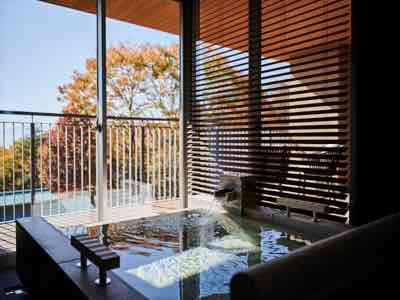
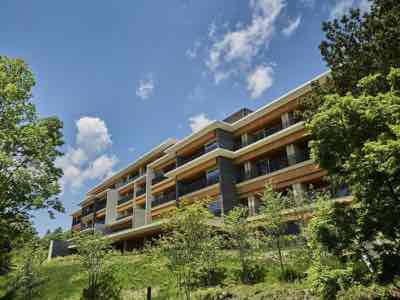
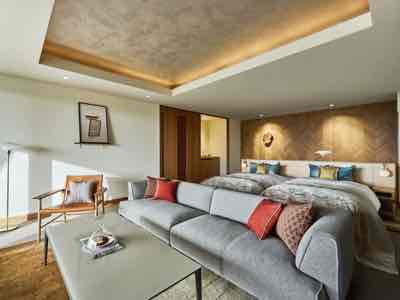
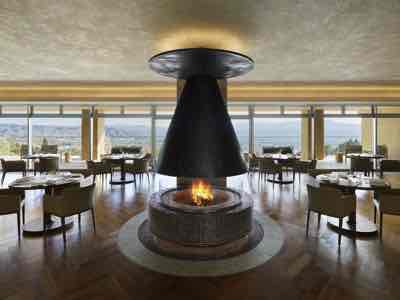
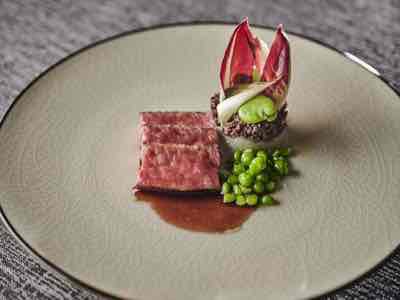
The Hiramatsu group's original auberge (2016) has eight rooms over Ago Bay with in-room onsen and a serious French kitchen, which on food alone would outcook Yusura, the other Ise inn. It has held one Michelin Key for two straight years, 2024 and 2025. Ikyu guests are enthusiastic and specific, 4.77 over 27 reviews, with the food their highest mark; the only recurring gripe is the silent shuttle driver.
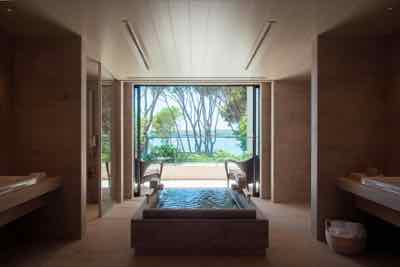
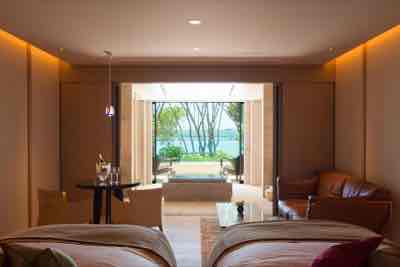
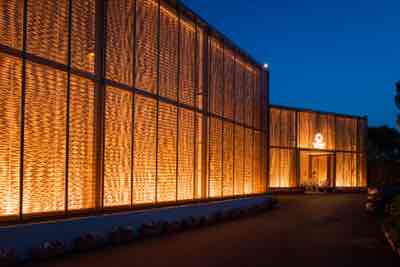
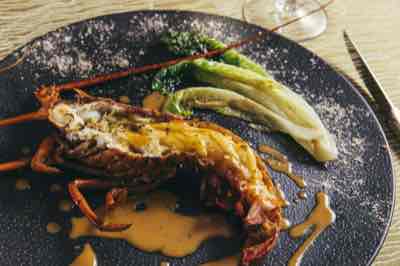
A 20-room Hiramatsu auberge in Sengokuhara where every room has a private Ōwakudani-source onsen bath and dinner is a full Italian course, a Western kitchen that is welcome after a run of kaiseki nights. It holds one Michelin Key, its second straight year with one. Ikyu guests love it overall (4.77 across 98 reviews), with portion size the one complaint that recurs.
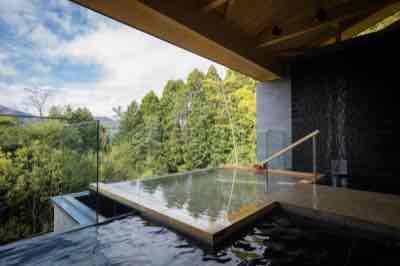
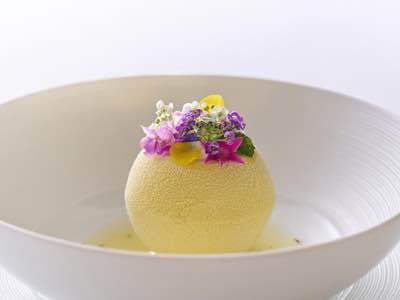
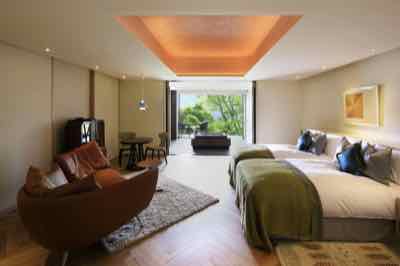
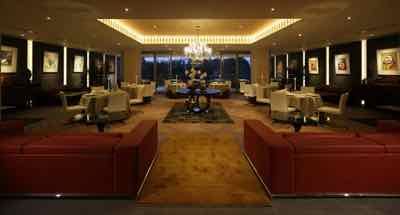
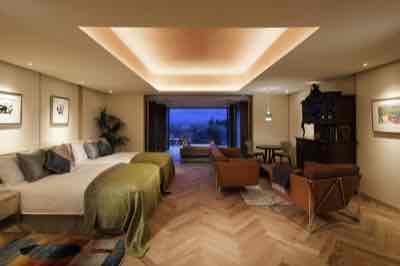
A single inn standing alone at 1,050 m in the Tobira Onsen canyon above Matsumoto, known for its standing bath over the canyon, with real onsen water in the rooms and a choice of two kitchens that sidesteps kaiseki fatigue. It has been a Relais & Châteaux member since 2008. The crowd adores it (TripAdvisor #1 in Matsumoto, Ikyu 4.56 across 166 reviews), but the reviews are mixed, with the food and the rooms the softest of the Ikyu marks and the service the best. KI-NRT stayed 20-odd years ago and found it pretty good.
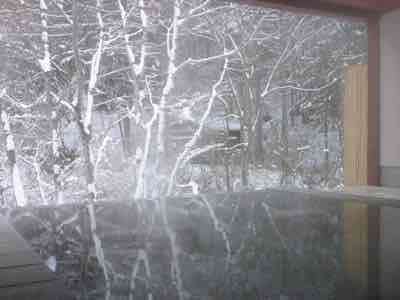
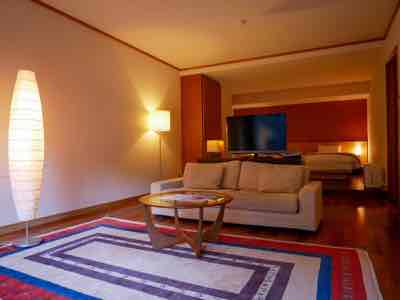
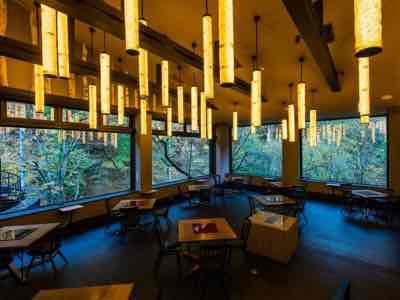
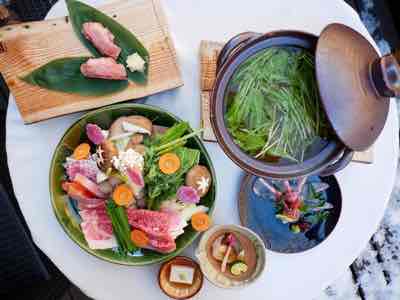
Tsuruko is the venerable Kanazawa kaiseki house, reopened in November 2025 as a four-suite auberge in the Takaoka-machi teahouse quarter, where each suite has its own in-room open-air onsen and the restaurant's cooking is served to order in the room, and a detached 'Jihaku' annex adds a private kappo counter. Ikyu guests give it 4.87 across 23 stays, with the meals and the bathing their highest marks, and a Michelin one-star Sushi Jin collaboration runs some nights. Nobody in the thread has stayed yet, though KI-NRT names it with Asadaya as the top ryokan option near the center of Kanazawa.
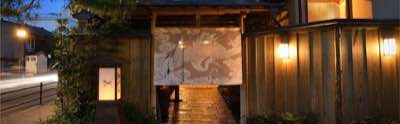
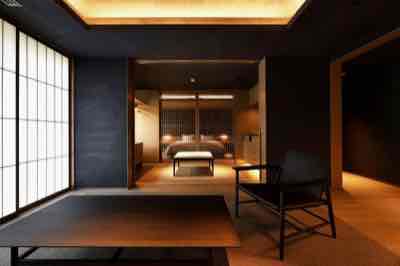
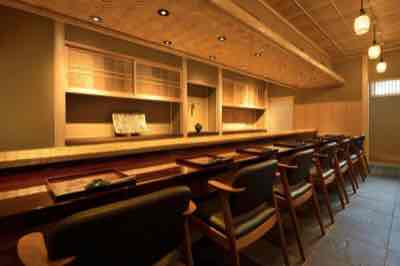
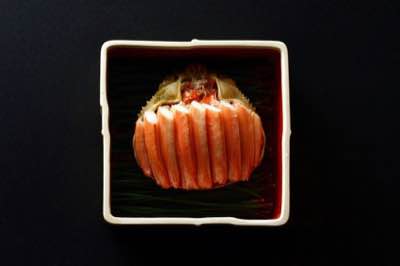
Kozantei Ubuya has the best Fuji view of any ryokan on Lake Kawaguchi, at $480–770 a night, a real saving over Fufu, and KI-NRT calls the property itself solid but not on the level of Fufu. Rakuten guests are consistently warm, putting it at 4.36 over 717 reviews with the lake-and-Fuji location their highest mark at 4.79 and the buffet dinner their lowest at 4.0. The view sets it apart, and everything else about the stay is solid without being a showstopper.
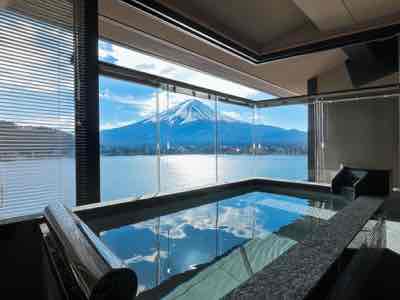
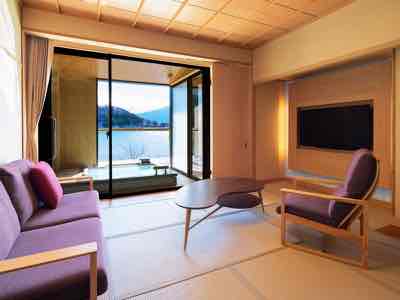
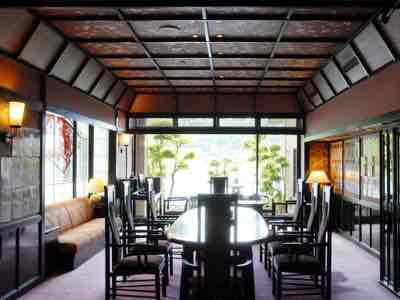
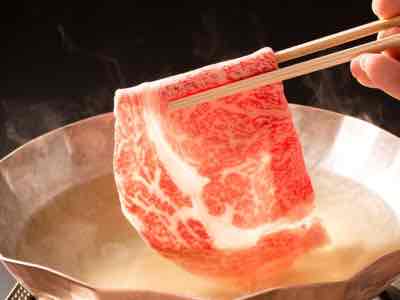
Ujo Soan is a six-room hideaway at Yuhigaura on Kyoto's Tango coast, with detached rooms that each have a private open-air onsen bath, winter snow-crab on the table and the sunset beach below. Ikyu guests rate it 4.79 across a modest 36 reviews and call the hospitality worth the premium, though softer notes flag a possible chef change and bath water that is trucked in and circulated instead of piped straight from the source. Nobody in the thread has stayed, so you book on the concept and the crowd's warmth.
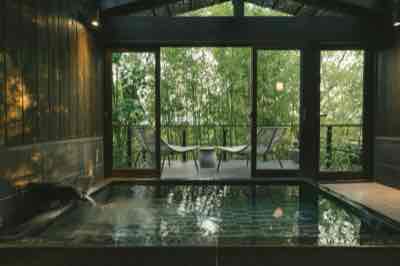
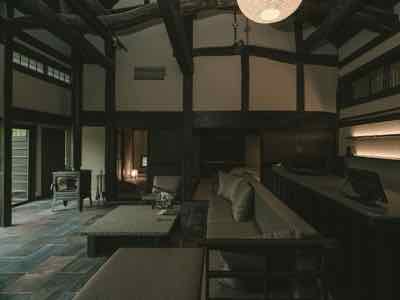
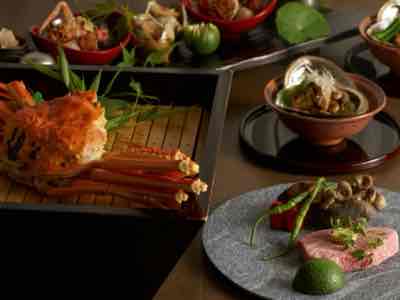
Gajoen is the Myoken Onsen ryokan credited with first putting hot-spring flow-through private open-air baths into guest rooms, opening in 1970 in a Kagoshima gorge where hot springs steam from the rocks. The thread knows it almost entirely by reputation, since the one member who stayed, about nine years ago, found it amazing but cautions it may have changed since. Ikyu guests give it 4.67 across 31 reviews, praising the local cooking and the warm staff, though the weakest reviews flag steep stairs.
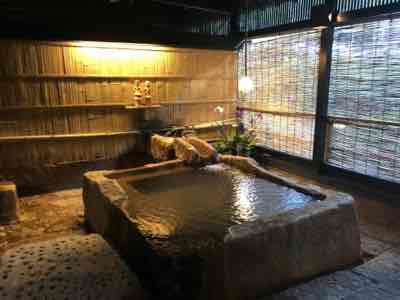
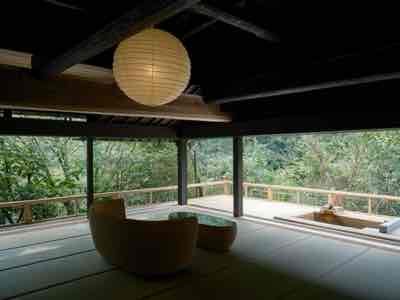
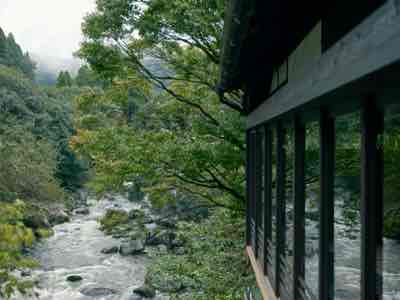
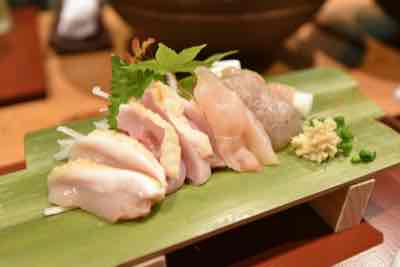
A 15-room sukiya-zukuri classic in Shuzenji, a few lanes from Asaba, grown from a 1959 Kyoto-kaiseki ryotei. Every room has its own free-flowing onsen, open-air in six of them, which is the strongest in-room bathing in Shuzenji. Thread glimpses are warm (one member, back for a second stay, still calls it an excellent pick), and Ikyu guests give it 4.72 over 34 reviews but split sharply: the regulars rank it with the best in Japan, while others found the service rigid for the price.
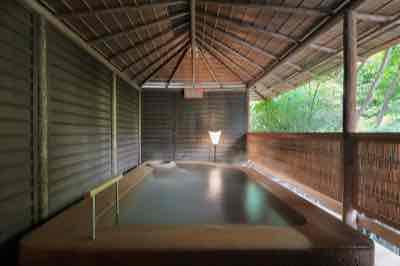
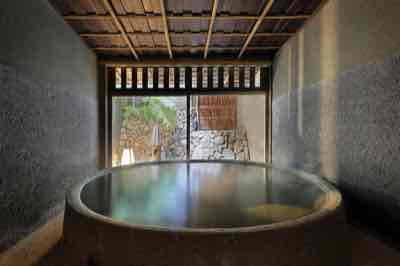
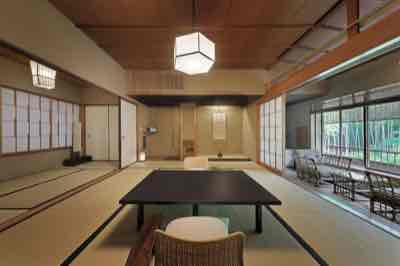
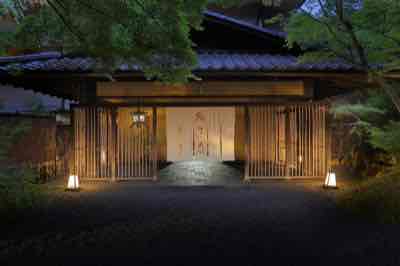
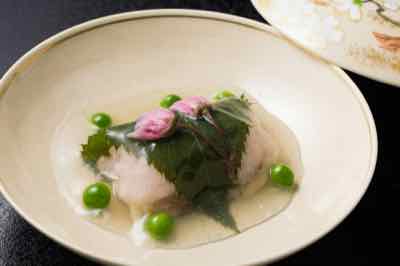
A 50-year Ryokan Collection resort in Izukōgen forest whose three kitchens (kaiseki, a French restaurant and a teppanyaki counter) let you vary dinner without leaving the grounds, which directly answers kaiseki fatigue. Ikyu guests give it 4.55 overall and praise the villas, the six bath types and the French cooking, but service is the recurring weak point, with disorganized arrivals and check-ins. Book a villa over a main-building room, and expect some friction.